Table of Contents
Japan’s iconic cherry blossoms, or Sakura, signal the arrival of spring with a breathtaking display of floral beauty. The blossoms typically begin their northern progression in Okinawa as early as January and sweep through the country to Hokkaido by May.
Historical landmarks like Himeji Castle and Hirosaki Castle in Aomori Prefecture become storybook settings adorned with the transient beauty of delicate pink petals. The blooms in Nara Prefecture and around Kumamoto Castle add a poetic touch to the ancient scenery, while the lesser-known Matsumae Park offers a tranquil view.
The exact timing of the cherry blossoms can vary based on weather conditions. Still, the Sakura season generally peaks in most of Japan’s major cities in late March to early April. To witness these fleeting moments of natural splendor, travelers should plan their visit according to regional forecasts and historical bloom timelines.
Understanding the Cherry Blossom Season in Japan
The cherry blossom season in Japan is celebrated, marking spring’s coming and inspiring nationwide festivities. The blooming season starts in the south, driven by warmer weather, and gradually moves northward, with the geographical location of each area influencing its bloom time.
Visitors can enjoy the dreamlike scenery beneath the trees, courtesy of Japan Rail services that cater to the influx of blossom admirers. Cities and parks transform as cherry blossoms in Japan blanket their landscapes, turning ordinary spaces into canvases of pink and white splendor.
The Significance of Sakura in Japanese Culture
In Japanese culture, sakura season is more than just a natural phenomenon; it’s a deep-rooted tradition that embodies the beauty of nature and the impermanence of life. The cherry blossoms are celebrated with family and friends, and their fleeting presence is a reminder to appreciate each moment.
The sight of cherry blossoms with Mount Fuji in the background is a quintessential image of Japan, representing the harmony between the country’s natural beauty and cultural icons.
Sakura influences various aspects of Japanese life, from festivals to art during spring. The season is a time for joy and reflection as the nation comes together to enjoy the cherry blossoms fully.
The reverence for these delicate flowers is evident in the care and attention given to their preservation and celebration, making the Sakura season a highlight in the Japanese calendar.
Predicting the Peak Bloom: Japan’s Cherry Blossom Forecast
Meteorologists and botanists collaborate to predict the peak bloom, which requires analyzing historical data and current weather patterns. The anticipation builds as the forecast dates are announced, encouraging travelers to finalize their plans and ensuring they witness the cherished blossoms at their most vibrant.
Given the warmer weather in recent years, the peak bloom dates have occasionally shifted, making the forecasts even more valuable. Sakura enthusiasts eagerly await these predictions to plan their trips and travel to Japan at the right time.
The accuracy of these forecasts is a testament to the dedication and expertise of those who understand the deep-seated love for cherry blossoms within Japanese society.
Duration of Bloom: How Long Do the Cherry Blossoms Last?
The cherry blossoms’ allure lies in their brief yet glorious display, echoing the transient nature of life. Once the trees that bloom reach their peak, the delicate flowers usually grace the landscape for only a week or two before the petals begin to fall.
This short window adds to the urgency and excitement of witnessing the event and compels many to plan their trip with precision to catch the full bloom. Weather conditions play a significant role in the duration of the bloom, with rain and wind potentially shortening the viewing period.
However, the care local communities take to maintain the trees ensures that year after year, the blossoms return to delight both residents and visitors alike, symbolizing renewal and the fleeting beauty of life.

Planning Your Cherry Blossom Experience
As the Sakura season approaches, planning becomes essential to ensure a memorable cherry blossom experience. Considering the popularity of this season, it’s important to start preparations early, from securing accommodations to mapping out the must-visit spots.
The anticipation of the season creates a palpable excitement as locals and tourists ready themselves for the natural spectacle about to unfold. Whether it’s a first-time visit or a yearly tradition, the approach to Sakura season requires attention to detail and an appreciation for the season’s significance.
With the right planning, one can immerse themselves fully in the breathtaking phenomenon, creating memories that reflect the beauty and impermanence of the cherry blossoms.
Best Time to Book Your Cherry Blossom Trip
Timing is everything to experience the magic of Sakura season. The best time to book your cherry blossom trip is typically several months in advance, as accommodations and transportation can fill up quickly due to the high demand.
Keeping an eye on the cherry blossom forecasts can help determine the optimal travel dates, allowing for flexibility in case of unexpected shifts in the blooming period. Planning is crucial for those wishing to attend popular festivals or visit high-traffic areas.
By securing your travel arrangements early, you can avoid the stress of last-minute bookings and focus on the excitement of your upcoming adventure during Japan’s most picturesque time of the year.
Accommodation Tips: Where to Stay During Sakura Season
During Sakura season, accommodations can be scarce due to the influx of visitors eager to witness the cherry blossoms. To secure the best spots, consider booking hotels or guesthouses close to prime viewing areas, ensuring easy access to the festivities.
Staying near major parks or castles can enhance the experience, as you’ll be within walking distance of some of the most beautiful displays of cherry blossoms.
Prime Locations for Cherry Blossom Viewing
Japan boasts numerous prime locations for cherry blossom viewing, each offering unique vistas and cultural experiences.
Tokyo’s Top Spots for Sakura
In the heart of Japanese culture, Tokyo’s top spots for viewing Sakura are as diverse as the city. The Somei Yoshino, a species of cherry tree known for its pure white to pale pink flowers, is widely found throughout the city’s parks and streets.
These trees create a canopy of blossoms that envelop visitors in a dreamlike state, with the delicate petals reflecting the fleeting moments that make them so cherished. From the bustling Ueno Park to the serene gardens of the Imperial Palace, each location offers a chance to see the pink flowers in their full glory.
The experience of Sakura in Tokyo blends modern city life with the timeless beauty of nature, an essential part of Japanese culture that continues to inspire awe and appreciation year after year.
Off the Beaten Path: Cherry Blossoms in Tohoku and Chugoku Regions
The Tohoku and Chugoku regions provide a peaceful retreat for those seeking a more tranquil cherry blossom experience. Less traveled by international visitors, these areas offer stunning views of cherry blossoms against historical landmarks and scenic landscapes.
The quiet beauty of these regions allows for a more intimate encounter with the Sakura, away from the crowds of the more famous spots. In Tohoku, the Hirosaki Castle Park becomes a wonderland of pink, with over 2,500 trees blossoming synchronously.
Similarly, Chugoku’s picturesque backdrop of traditional shrines and rolling hillsides adds to the season’s enchantment. These regions are a testament to Japan’s diverse beauty, providing off-the-beaten-path, equally captivating experiences.
Hanami: Engaging in Japan’s Blossom Viewing Traditions
Hanami, the traditional Japanese custom of enjoying the beauty of flowers, particularly cherry blossoms, is a deeply rooted practice. It often involves outdoor festivities, including picnics beneath the blooming trees, complemented by plum blossoms in some regions, and is accentuated by cultural activities like tea ceremonies.
Commuters passing through Ueno Station are greeted by the nearby Ueno Park, a prime location for hanami, bustling with joyous crowds and spring colors.
What Does Hanami Involve Exactly?
Hanami is more than simply viewing cherry blossoms; it’s a social and cultural event. Families and friends gather with picnic blankets, often laying them out hours in advance, to secure a spot under the canopy of blossoms. The tradition is about enjoying the company of others, savoring seasonal food, and reveling in the beauty of the Sakura.
Joining the Festivities: Can I Participate in Hanami Events?
Yes, Hanami events welcome everyone to appreciate the cultural significance of Sakura. This tradition of gathering under blooming cherry blossoms to enjoy food, drinks, and the company of friends and family is a season’s highlight.
Whether you’re a local or a traveler, these communal picnics offer a chance to immerse yourself in one of Japan’s most cherished customs.
Navigating Cherry Blossom Festivals
These festivals are the perfect time to witness the beauty of Sakura trees and partake in cultural performances and traditional food.
When Does the Cherry Blossom Festival Start in Japan?
Cherry blossom festivals vary by region from late March to early May. The Ueno Cherry Blossom Festival at Ueno Park is one of the first to start, featuring weeping cherry trees and over 800 cherry trees.
Food stalls and festive lights enhance the experience, as visitors find the best spot for cherry blossom viewing along the Meguro River or in Maruyama Park.
Unique Festival Experiences Across Different Regions
Each region offers a unique perspective on the sakura season, from the soft pink petals in Tokyo to the diverse varieties of cherry blossoms blooming in the countryside. Timing your visit to coincide with the peak bloom ensures an unforgettable experience, as each area celebrates the transient beauty of these delicate blossoms.
The Blossom’s Cultural Impact
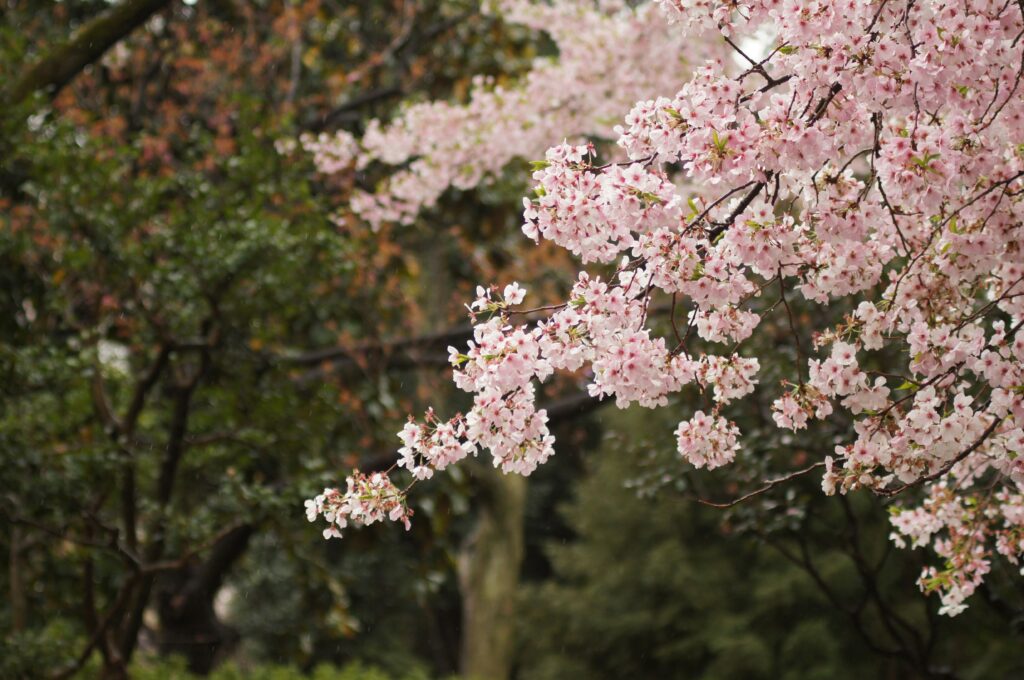
The cherry blossom has left an indelible mark on Japanese society, influencing art, poetry, and daily life. Every spring, people across Japan anticipate the return of the blossoms, a symbol of life’s fleeting nature and the country’s enduring connection to this natural wonder.
Cherry Blossoms in Art, Literature, and Film
Cherry blossoms have inspired countless works of art, literature, and film, reflecting their deep resonance with the Japanese soul. These pink flowers have been depicted in haiku, ukiyo-e woodblock prints, and modern cinema, often symbolizing the fleeting beauty of life and the bittersweet passage of time.
Symbolism and the Spirituality of Sakura
The Somei Yoshino, a widely loved species of cherry tree, bursts into bloom each spring, its pink flowers a reminder of life’s transient beauty. This spiritual aspect of Sakura captivates the heart, symbolizing renewal, hope, and life cycle.
Tips for Cherry Blossom Travelers
Visiting Japan during cherry blossom season is a magical experience but requires some planning. With large crowds and high demand for accommodations, booking early and preparing for a bustling atmosphere is important as everyone seeks to capture the perfect Sakura moment.
Getting Around: Transportation During the Busy Season
During Sakura season, public transportation can be crowded, but it’s still the best way to navigate Japan’s cities and viewing spots. Consider purchasing a rail pass and traveling outside peak hours to avoid the rush.
Photography Pro Tips: Capturing Sakura in Full Glory
To photograph the cherry blossoms, aim for diffused lighting during early morning or late afternoon. Frame your shots with the blossoms in the foreground against landmarks, and don’t forget to include some close-ups to capture their delicate details.
Allergies and Health Considerations During Cherry Blossom Season
Be mindful of pollen allergies when visiting the Tohoku region or other cherry blossom spots. The Japan Meteorological Corporation provides forecasts for the Sakura season, which can help you plan around peak pollen times.
Conclusion: Japan’s Cherry Blossom Phenomenon
The cherry blossom season is a remarkable time in Japan, with parks and streets transformed by the delicate blooms. As a traveler, witnessing this natural spectacle is a profound experience, connecting you to the concept of “mono no aware” — the poignant awareness of impermanence. It’s a phenomenon that captures the beauty and essence of the northern hemisphere’s springtime.
When you wander through the cherry blossom spots, you participate in a tradition beyond mere flower viewing. It’s a moment to reflect, celebrate, and connect with a culture that has cherished these fleeting blossoms for centuries.

I’m Kai, a 28-year-old digital nomad, fueled by a love for photography and storytelling. Roaming Japan’s cities and countryside, especially in the vibrant spring season, I immerse myself in the rich culture and traditions. I share my adventures and insights, offering a firsthand perspective for fellow travelers and Japan enthusiasts alike. Let’s explore Japan together, sans the unnecessary frills.