Table of Contents
Visiting Japan is a treasure trove of experiences, and bringing back a piece of this enchanting country is essential for any traveler. From handmade ceramics to unique Japanese folding fans, there is a plethora of items that represent the essence of Japanese culture.
Daruma dolls believed to ward off evil spirits and bring good luck, are a popular souvenir from Japan, while foodies might delight in the variety of rice crackers available. This ultimate guide will navigate you through the best places to buy these treasures, ensuring your Japan itinerary is as fulfilling as the land of the rising sun.
Introduction to Japanese Souvenir Shopping
When setting out for souvenir shopping in Japan, keep your eyes peeled for various options beyond the conventional. The bustling markets and serene boutiques offer everything from exquisite face masks that embody Japanese design to edible souvenirs that capture the country’s rich culinary heritage.
Embracing the Culture of Gifting in Japan
Planning a trip to Japan offers the perfect opportunity to embrace the local culture of gifting, an integral part of Japanese etiquette. Traditional handicrafts make for thoughtful presents, reflecting the meticulous care and history of Japanese artisanship.
Tips for Savvy Shopping in Japan
Shopping in Japan can be an exhilarating experience, with stores in Japan offering a diverse range of products that cater to every interest and budget. From bustling markets to high-end boutiques, navigating the retail landscape requires a strategy to maximize your time and money.
To ensure a successful shopping expedition, familiarize yourself with local customs, sale seasons, and the art of price negotiation where appropriate. It’s also wise to consider payment methods and store policies on returns or exchanges.
Many shops in Japan cater to international visitors, offering assistance and services to make your shopping experience seamless and enjoyable. Remember to inquire about tax-free options and look for special tourist discounts to stretch your yen further.
Understanding Tax-Free Shopping
Japan offers tax-free shopping opportunities in many shops selling various goods, making it an attractive prospect for visitors. When purchasing items in these designated stores, tourists can enjoy significant savings by not having to pay the consumption tax, which is typically included in the price.
To take advantage of this benefit, ensure you have your passport and meet the minimum purchase amount required for tax exemption. Understanding the process and requirements for tax-free shopping can greatly enhance your purchasing power.
Look for the ‘Tax-Free’ sign displayed prominently in storefronts, signaling where these savings can be made. These shops often provide instant rebates at the point of sale, making the experience convenient and rewarding for savvy international shoppers.
Packing Strategies for Your Treasures
As you collect various treasures throughout your journey, consider your packing strategies to ensure the safe transport of your souvenirs. A duffle bag can be an invaluable asset, providing flexible space to accommodate items of varying shapes and sizes.
Wrap fragile items like ceramics or electronics in clothing or bubble wrap, and place them strategically among your belongings to minimize movement and potential damage.
Shipping items back home can be a practical solution for those who may have indulged in shopping. Japan’s postal service is reliable and offers options for international parcel delivery.

Iconic Japanese Crafts and Traditional Items
When it comes to finding wonderful souvenirs, Japan’s traditional crafts are unparalleled. From the intricate paper folding art of origami to the timeless beauty of lacquerware, each piece embodies centuries of cultural heritage and artisanal skill.
1. Exquisite Japanese Ceramics and Pottery
Japanese ceramics are renowned worldwide for their quality and aesthetic beauty. From the rustic charm of Bizen ware to the delicate patterns of Arita porcelain, each piece is a work of art, with many regions in Japan having distinct styles and techniques.
Collectors and enthusiasts alike can find a range of ceramics that reflect the diverse history and culture of Japanese pottery-making. Whether you choose a striking vase or a set of finely glazed tea bowls, these ceramics are more than just decorative items; they are a piece of Japan’s artistic soul.
The experience of selecting a piece, perhaps from a small atelier in a quiet town or a bustling city shop, adds an intimate connection to the object’s story and the memories of your travels.
2. The Art of Japanese Calligraphy Supplies
Japanese calligraphy, or shodo, is a traditional art form that emphasizes beauty in writing. The necessary supplies for calligraphy reflect a deep respect for the craft, with brushes made of carefully selected hair, ink stones ground from fine stone, and paper that is a pleasure to touch.
These supplies are found in specialist stores across the country and can be treasured items that bring the elegance of Japanese culture into your home.
For those interested in learning the art, workshops are often available, providing a hands-on experience that deepens one’s appreciation for the skill and patience required. Calligraphy sets also make thoughtful gifts, offering functional art deeply intertwined with Japanese heritage.
3. Authentic Japanese Tea Sets
Tea plays a significant role in Japanese culture, and an authentic Japanese tea set reflects this cherished tradition. Handmade ceramic sets are prized for their craftsmanship and beauty, ranging from rustic, earthy designs to intricate, polished finishes.
In downtown Kyoto, specialty stores are filled with various tea sets, each with its own story and origin. Selecting a tea set can be a memorable part of your journey, offering the opportunity to bring back a functional piece of Japanese culture that can be enjoyed with each sip of tea.
4. Traditional Japanese Clothing
Traditional Japanese clothing is another category of wonderful souvenirs that capture the timeless elegance of Japanese fashion. These traditional crafts, ranging from formal kimonos to casual yukatas, are imbued with cultural significance and showcase a variety of fabrics, patterns, and techniques that have been perfected over generations.
Kimonos and Yukatas
One can shop in Kyoto for kimonos and yukatas, quintessential pieces of Japanese attire. These garments are a fashion statement and reflect Japan’s cultural and historical depth.
The shops selling these items often have a selection of vintage and modern designs, allowing visitors to choose a piece that resonates with their style and experiences in Japan.
Samue and Tabi Socks
Samue, traditionally worn by Japanese craftsmen and Zen Buddhist monks, and tabi socks, with their unique split-toe design, are excellent choices for comfortable and authentic Japanese clothing. These functional, stylish items offer any wardrobe a touch of Japanese simplicity and elegance.
Tech and Gadgets: The Latest from Japan
For tech enthusiasts planning a trip to Japan, the country is a veritable playground of innovation. From traditional handicrafts to cutting-edge electronics, Japan blends the old with the new in fascinating ways.
Ensure you have enough luggage space in your duffle bag to bring back these high-tech souvenirs, some available only in Japan and are sought after by gadget lovers worldwide.
1. Must-Have Japanese Electronics
Japan is at the forefront of technology, making its electronics a must-buy Japanese product for visitors. The latest gadgets, home appliances, and audio-visual equipment are advanced and designed with a unique aesthetic that sets them apart.
Whether you’re interested in gaming or photography or just love having the newest tech at your fingertips, Japan’s electronics stores are sure to have something that will catch your eye.
With renowned brands and hidden gems alike, the Japanese electronics market caters to both the tech-savvy and the curious. From personal robots to high-fidelity sound systems, the electronic wonders found in Japan are a testament to the country’s ongoing commitment to innovation and quality.
2. Unique Gadgets Only Found in Japan
When planning a trip to Japan, tech enthusiasts reveal that the country is a treasure trove of unique gadgets not easily found elsewhere. From quirky electronic toys that interact with users to specialized kitchen devices that simplify cooking, there’s a gadget for every need.
These items are not just novelties but often incorporate cutting-edge technology and design elements that reflect Japanese ingenuity. Visitors should leave space in their duffle bag for these one-of-a-kind finds.
Whether it’s a toilet seat with temperature control and built-in bidet features or a portable language translator device, these gadgets offer a glimpse into the future of technology while also serving as practical souvenirs that remind travelers of their time in Japan.
3. High-Quality Japanese Camera Equipment
Japan’s reputation for high-quality camera equipment is well-established among photography enthusiasts. The country’s major brands have long been at the forefront of camera technology, offering a wide range of products catering to professionals and amateurs.
For those keen on photography, visiting Japan might include shopping for lenses, tripods, and accessories, often available at more competitive prices than abroad. It’s an ideal opportunity to invest in gear that will capture the beauty of Japan and other adventures in stunning detail.
4. Robot Kits and Tech Toys for Hobbyists
Hobbyists and robotics enthusiasts will find Japan to be a paradise of innovation. Robot kits are widely available, from simple beginner models to complex projects for advanced builders.
These kits provide a fun and educational experience and offer a unique insight into the robotics industry for which Japan is famous. A visit to Nakano Broadway in Tokyo can be especially rewarding for those searching for exclusive tech toys and robot kits.
This shopping complex is known for its vast collection of hobbyist goods, including rare and vintage items that can’t be found anywhere else, making it a must-visit destination for collectors and tech fans.
Japanese Cosmetics and Beauty Products
Japanese cosmetics are held in high esteem worldwide, and for good reason. With brands like Canmake offering affordable yet high-quality makeup and high-end brands delivering luxury beauty experiences, there’s something for every preference.
1. Japanese Skincare Treasures
Japanese skincare is a realm filled with treasures that promise radiant, youthful skin. Products are often infused with natural ingredients like green tea, rice ferment, and seaweed, which have been part of Japanese beauty rituals for centuries. The emphasis on gentle care and deep nourishment has made Japanese skincare products highly sought after by beauty lovers worldwide.
2. Cutting-Edge Japanese Cosmetics
The world of Japanese cosmetics is where tradition meets innovation. The country’s beauty industry constantly pushes the boundaries, developing cutting-edge products combining the latest scientific research with time-honored beauty practices.
These products often feature unique formulations and textures that differentiate them from Western brands. Japanese cosmetics cater to many beauty needs, from featherlight foundations that provide flawless coverage to lip tints that offer long-lasting color without drying.
3. Cult-Favorite Hair Care Products
Japan’s hair care industry has produced cult-favorite products that have garnered an international following. Shampoos, conditioners, and styling products contain unique ingredients like camellia oil and rice protein to nourish and strengthen hair.
These products often come in beautifully designed bottles, adding an aesthetic appeal to their practical use. For those with a sweet tooth, it’s worth noting that some hair care brands even take inspiration from popular snacks like Kit Kats, incorporating chocolate’s nourishing properties into their formulas.
This creative approach to hair care makes shopping for these products an enjoyable and indulgent experience.
4. Essential Japanese Grooming Tools
Japanese grooming tools are essential for elevating their personal care routine. Precision-engineered razors, high-quality nail clippers, and innovative beauty devices are just a few examples of the tools found in Japan.
These products reflect the Japanese dedication to craftsmanship and functionality, ensuring the best grooming experience. From ergonomic designs that fit perfectly in the hand to materials that provide longevity, these grooming tools are practical and embody the refined aesthetic that Japanese products are known for.
Delightful Japanese Food and Snacks
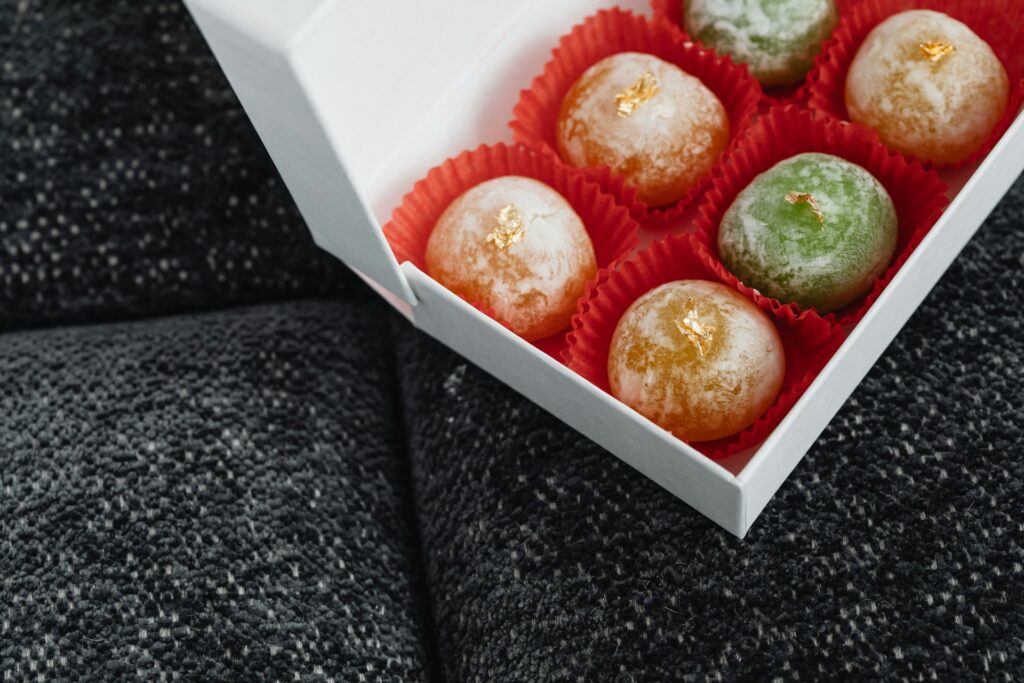
For locals and tourists alike, Japanese food and snacks are a highlight of the shopping experience. From savory rice crackers to sweet mochi treats, the variety is endless. One must not miss the opportunity to try the various flavors of matcha green tea, which is not only delicious but also steeped in cultural significance.
1. Specialty Regional Sweets
Japan’s regions boast a wealth of specialty sweets that are as delightful to look at as they are to eat. Visitors can find local confections like the famous Tokyo Banana, a sponge cake filled with banana custard that has become a symbol of the city. Each region has its unique offerings, often made with local ingredients and reflecting the area’s culinary heritage.
2. Savoring Japanese Sake and Whiskey
A visit to a sake brewery in Japan offers a deeper understanding of the country’s traditional rice wine. Sake varies greatly from region to region, with flavors influenced by local climate and water sources. The experience of tasting sake at its source is memorable as visitors learn about the meticulous brewing process and the subtleties that define different varieties.
3. Unique KitKat and Pocky Flavors
Japan’s fascination with KitKats has led to an astonishing array of unique flavors not found elsewhere. Green tea, wasabi, and even soy sauce are just some surprising and delightful tastes that wait to be discovered.
These inventive confections reflect the Japanese talent for blending traditional flavors with modern snack culture, resulting in both familiar and exotic treats. Pocky, the iconic chocolate-covered biscuit stick, also comes in various seasonal and regional flavors, providing a crunchy contrast to the smooth, creamy chocolate.
4.Gourmet Green Teas and Matcha
Japan’s green teas, particularly matcha, are celebrated for their rich flavors and health benefits. Gourmet green teas come in many varieties, each with its distinct taste and aroma. Matcha, a finely ground powder made from specially grown and processed green tea leaves, is a beverage and a versatile ingredient in sweets and culinary creations.
Japanese Pop Culture and Entertainment
The vibrant world of Japanese pop culture and entertainment is a feast for the senses. From colorful anime to high-energy music performances, Japan is a hub for those who love to immerse themselves in a world of creativity and excitement.
1. Collectible Anime and Manga Merchandise
Anime and manga have fans across the globe, and Japan is the heartland of this cultural phenomenon. Collectible merchandise, from limited edition figurines to rare prints, is abundant, and avid collectors often find themselves spoilt for choice.
The items capture the essence of beloved characters and stories, making them treasured keepsakes for fans. For the ultimate anime shopping experience, Nakano Broadway is an essential destination.
2. J-Pop Music and Idol Goods
For fans of Japanese pop culture, delving into the colorful world of J-Pop music and idol memorabilia is a must. Japan’s idol goods range from photo sets to limited edition CDs, showcasing a variety of authentic merchandise.
Whether an AKB48 handshake event ticket or a rare Morning Musume collector’s item, these souvenirs uniquely connect to Japanese cultural icons. Visitors can also find an array of J-Pop music, from classic hits to the latest chart-toppers.
Specialty music stores in Tokyo’s Shibuya district are treasure troves for collectors, offering both mainstream and indie releases. These musical mementos are not just souvenirs but a way to relive the vibrant sounds of Japan anywhere in the world.
3. Video Games and Consoles
Japan’s contribution to the video game industry is unparalleled, making it a haven for gamers seeking the latest consoles and titles. Shops selling cutting-edge gaming technology are scattered throughout Akihabara, Tokyo’s electric town.
Visitors can find everything from newly released consoles to retro gaming systems that evoke a sense of nostalgia for the golden age of Japanese video games.
Moreover, Japan offers exclusive editions and accessories often unavailable elsewhere. Gamers can immerse themselves in a world where tradition and technology intersect.
4. Traditional and Modern Japanese Toys
Japanese toys are a delightful blend of traditional crafts and contemporary innovation. Those who appreciate time-honored Japanese culture cherish Kendama, intricately painted Daruma dolls, and wooden kokeshi figures.
These traditional toys are not only fun but also hold cultural significance, embodying the artistry and history of Japan. Alongside these classic items, modern Japanese toy stores are filled with the latest action figures, collectible card games, and interactive toys that reflect current trends.
Japanese Fashion and Accessories
Japanese fashion is a dynamic expression of contemporary style and traditional aesthetics. From the streets of Harajuku to the high-end boutiques of Ginza, fashion enthusiasts will discover a world of unique apparel and accessories.
Whether seeking avant-garde statement pieces or minimalist designs, Japan’s fashion landscape caters to a wide spectrum of tastes and preferences.
1. Street Style from Tokyo’s Harajuku
Harajuku is the heartbeat of Tokyo’s youth fashion, where self-expression and individuality reign supreme. The district’s lanes are lined with shops selling an eclectic mix of styles, from punk rock and gothic to fairy kei and decora.
For the fashionista looking to take home a piece of Tokyo’s street culture, Harajuku offers everything from outrageous platform shoes to handcrafted accessories, ensuring a style statement that’s uniquely their own.
2. Designer Brands and Fashion Finds
Japan has many designer brands with international acclaim for their quality and innovative designs. In upscale districts like Omotesando and Ginza, shoppers can explore flagship stores of Japanese fashion houses, where the latest runway pieces are available.
3. Quirky Kawaii Accessories
“Kawaii,” meaning cute in Japanese, is a distinct part of Japanese culture and can be found in everything from clothing to everyday objects. Stores across Japan, particularly in Tokyo’s Harajuku and Shibuya districts, cater to the kawaii lifestyle, offering a dizzying array of quirky accessories.
Even small yen coins can be used to obtain kawaii goods from gachapon vending machines, which dispense random collectible items encased in plastic capsules. These accessories are not only fun to collect but also serve as charming reminders of the playful side of Japanese cultural life.
4. Handcrafted Jewelry and Bags
In accessories, Japan’s handcrafted jewelry and bags stand out for their quality and artistry. Artisans across the country create pieces that beautifully showcase traditional techniques, from metalwork to weaving.
These handcrafted items reflect the meticulous attention to detail and the passion for excellence, a hallmark of Japanese craftsmanship. Shoppers can find these exquisite pieces in specialty boutiques and local craft markets.
Whether it’s a hand-dyed indigo clutch or a necklace featuring ancient motifs, these accessories are more than just fashion statements—they’re wearable art that carries the essence of Japan’s rich artistic heritage.

Specialty Stores and Shopping Districts
Navigating Japan’s shopping scene reveals diverse specialty stores and bustling shopping districts. Each store and district provides a unique glimpse into the multifaceted world of Japanese commerce, from electronics to antiques.
1. Exploring Tokyo’s Iconic Shopping Areas
Tokyo’s iconic shopping areas offer an unparalleled retail experience, from Ginza’s glitzy storefronts to Akihabara’s otaku paradise. Each district caters to different interests, with shops selling everything from the latest tech gadgets to vintage kimonos.
Whether it’s high-end department stores showcasing luxury brands or small boutiques featuring local designers, Tokyo’s shopping districts are a testament to its status as a global fashion and retail hub.
Ginza – Luxury and Glamour
Ginza is Tokyo’s premier shopping district, synonymous with luxury and glamour. Here, visitors will find flagship stores of international designer brands alongside Japan’s prestigious department stores offering high-quality goods.
Ginza’s wide boulevards are also home to exclusive art galleries and fine-dining establishments, making it a complete luxury experience.
Even window shopping in Ginza is a delight, with beautifully curated displays that reflect the latest trends in fashion and design. Ginza provides an opulent, inspiring, and exhilarating atmosphere for those seeking high-end shopping.
Akihabara – Electronics and Otaku Culture
Akihabara is a mecca for fans of electronics and otaku culture, where shops selling the newest technological innovations sit alongside stores dedicated to anime, manga, and video games.
This district is alive with the energy of passionate hobbyists and collectors, all searching for the next addition to their collections. From high-performance computer parts to rare figurines, Akihabara offers a shopping experience that is both niche and comprehensive.
2. Cultural Shopping in Kyoto
Kyoto, Japan’s ancient capital, offers a shopping experience steeped in tradition and elegance. Visitors can explore shops and markets near landmarks like the Kiyomizu-dera Temple, where they can find a wide array of traditional crafts and souvenirs that reflect the city’s rich cultural heritage.
Gion – Time-Honored Traditions
Gion, known for its well-preserved machiya houses and the occasional glimpse of a geisha, offers a shopping experience that transports visitors back in time. The district’s stores sell various traditional goods, from handmade yukatas to delicate tea sets, each reflecting the timeless beauty of Japanese cultural practices.
Strolling through the cobbled streets of Gion, shoppers can find artisanal shops where local craftspeople sell their works, including pottery and textiles. These purchases support the local economy and allow visitors to take home a piece of Kyoto’s historic charm.
Arashiyama – Nature and Crafts
Arashiyama, with its scenic bamboo groves and serene temples, is also a hub for nature-inspired crafts. Artisans draw from the surrounding beauty to create items harmonizing with the natural environment.
Visitors can find everything from woodwork items carved from local timber to hand-painted scrolls depicting the area’s stunning landscapes. Shopping in Arashiyama is an opportunity to connect with Japan’s natural beauty and artistic soul.
Whether looking for a bamboo basket or a piece of delicate jewelry inspired by the forest, Arashiyama offers a tranquil shopping experience that complements its picturesque setting.
3. Osaka’s Must-Visit Markets
In Osaka, the energy of commerce is palpable in its vibrant markets. Visitors can immerse themselves in the bustling atmosphere where locals and travelers seek out the freshest produce, the latest fashion, and an array of traditional goods.
Shinsaibashi – Trendsetting Fashion
Shinsaibashi is Osaka’s premier fashion district, a long stretch of boutiques and designer stores that set the trends for the rest of Japan. Here, fashion enthusiasts can find everything from high-end brands to independent labels that showcase the creativity of local designers.
While exploring Shinsaibashi, shoppers should also venture into the smaller side streets. These alleys often hide unique shops offering one-of-a-kind items, from handmade accessories to vintage clothing. These hidden treasures often become the most cherished souvenirs, capturing the essence of Osakan style.
Kuromon Market – Foodie’s Paradise
Kuromon Market, known as Osaka’s Kitchen, is a wonderland for food lovers. With over a hundred vendors selling everything from fresh seafood to local delicacies, the market is a must-visit for anyone looking to indulge in the authentic flavors of Japan.
Sampling street food here is not just about eating; it’s an exploration of the region’s rich culinary heritage. One can’t talk about Kuromon Market without mentioning the vending machines offering myriad drinks to quench one’s thirst while shopping.
4. Hidden Gems in Smaller Cities and Towns
Beyond the bustling metropolises, smaller cities and towns across Japan hold charming markets and craft centers. These hidden gems often reflect their regions’ unique history and culture, providing an intimate glimpse into the local way of life and traditional craftsmanship preserved for generations.
Kanazawa – Gold Leaf Crafts
Kanazawa is renowned for its exquisite gold leaf craftsmanship, a tradition that dates back over 400 years. The city’s skilled artisans continue to produce delicate gold leaf products, from ornate home decor to stunning accessories.
Visitors to Kanazawa can purchase these shimmering works of art and experience the meticulous gold leafing process at local workshops. In Kanazawa, the beauty of gold leaf can be seen applied to various items, including lacquerware, pottery, and even edible products.
It’s a testament to the versatility of this craft and the elegance it adds to everyday objects, making them extraordinary keepsakes or gifts that embody the city’s rich artistic heritage.
Hakone – Woodwork and Art
Hakone, set against a backdrop of natural beauty, is celebrated for its woodwork and art. The town’s master craftsmen create intricate marquetry and woodcrafts that are as functional as beautiful.
These items, often made from locally sourced timber, represent the harmonious relationship between Hakone’s people and their environment.
Visitors to Hakone will find galleries and studios where they can appreciate the painstakingly crafted woodwork items. From elaborate puzzle boxes to elegant furniture, these pieces tell the story of Hakone’s artistic traditions and make for meaningful souvenirs that carry the spirit of Japan’s woodworking legacy.
Stationery and Office Goods
Japan takes stationery to a new level with a vast selection of products combining functionality and aesthetic appeal. From meticulously organized office supplies to whimsical paper goods.
1. The Allure of Japanese Stationery
Japanese stationery is renowned for its quality, innovation, and design. Visiting a Japanese stationery store is like stepping into a wonderland for anyone who appreciates the written word.
Here, one can find everything from sleek notebooks to pens that write with precision. The attention to detail in each product reflects a culture that values the art of writing and personal expression.
Shelves lined with colorful washi tape, intricately patterned paper, and various markers and pens invite shoppers to unleash their creativity. It’s not uncommon for visitors to spend hours exploring the different textures, patterns, and tools, each designed to offer a unique writing or crafting experience.
2. Artisanal Paper Goods
In Japan, paper is not just a medium; it’s a canvas for expression and a material with endless possibilities. Artisanal paper goods, crafted with traditional techniques passed down through generations, are a testament to this reverence.
These papers, known for their durability and beauty, are used for everything from writing to gift wrapping, becoming an integral part of Japan’s gifting culture. For those who seek something beyond the ordinary, these artisanal paper goods offer a touch of elegance.
Whether for calligraphy or origami, the textures and patterns of handmade Japanese paper can transform a simple note into a work of art. Collecting various types of paper becomes a hobby for many, as each sheet tells the story of its maker and the region it comes from.
3. High-Tech Office Gadgets
Japan’s reputation for technological innovation extends to its selection of high-tech office gadgets. These gadgets are designed to enhance productivity and efficiency, whether it’s through smart pens that digitize notes or organizers that sync with digital devices.
For the tech-savvy shopper, these items embody Japan’s forward-thinking approach to office work. Alongside traditional stationery, these modern gadgets create a unique shopping experience.
It’s not just about finding tools that look good on a desk; it’s about discovering those that can change how work is done. With Japanese ingenuity, clever and compact gadgets can transform even the most mundane office tasks.
4. Elegant Writing Instruments
Japan offers an array of elegant writing instruments for those who cherish the art of writing. These pens and pencils are not merely tools but works of art, often crafted with lacquer and bamboo.
With an emphasis on balance, weight, and comfort, these writing instruments are designed to provide a seamless writing experience that turns every word into a statement.
From fountain pens with finely tuned nibs to mechanical pencils with advanced lead technology, Japan’s range of writing instruments caters to every preference and writing style. Collectors and enthusiasts will find that each piece celebrates craftsmanship, reflecting Japanese culture’s deep respect for the written word.
Home and Lifestyle Products
Japanese home and lifestyle products are the epitome of form-meeting function. With an emphasis on minimalist design and practicality, these items offer a way to bring the essence of Japanese aesthetics into everyday life.
The range includes everything from sleek furniture to innovative gadgets embodying the Japanese simplicity and quality philosophy.
1. Minimalist Home Decor from MUJI
MUJI, an iconic Japanese brand, has become synonymous with minimalist home decor. Its products, characterized by clean lines and a neutral color palette, provide a sense of calm and simplicity.
MUJI’s furniture and bedding offerings allow homeowners to create functional and serene spaces, embodying the minimalist ethos central to Japanese design.
In MUJI stores, one may also find woodblock prints, a traditional Japanese art form that has influenced the brand’s aesthetic. With their distinct style and history, these prints complement MUJI’s minimalist decor, adding a touch of cultural heritage to the modern home.
2. Innovative Kitchenware and Utensils
Japanese kitchenware and utensils combine innovation with tradition, resulting in products that are not only beautiful but also highly functional. From razor-sharp knives that make meal prep a breeze to rice cookers that cook perfect rice every time, these utensils are a testament to Japan’s culinary excellence and attention to user experience.
Shopping for kitchenware in Japan is a culinary adventure, with gadgets and utensils catering to professional chefs and home cooks. The meticulous design of these items ensures that they are effective and a joy to use, enhancing the cooking process and the enjoyment of food.
3. Relaxing Wellness and Spa Products
Japan’s wellness and spa products, infused with ingredients like hyaluronic acid, bring the rejuvenating experience of a Japanese onsen into the home. These products, from bath salts to skincare, are designed for relaxation and self-care, embodying the Japanese commitment to well-being and harmony with nature.
4. Eco-Friendly and Sustainable Goods
Japan’s environmental commitment is evident in its array of eco-friendly and sustainable goods. With sustainability in mind, travelers looking to buy from Japan can find various products, from organic cotton clothing to bamboo tableware.
These items reflect the Japanese ethos of mottainai, which emphasizes respect for resources and waste reduction. They serve as functional souvenirs and a testament to Japan’s dedication to green living.
Seeking these eco-conscious products often leads to tax-free shopping opportunities, especially in stores catering to foreign visitors. Sustainable snacks packaged with biodegradable materials are also becoming more popular, offering a guilt-free way to enjoy Japan’s delectable treats while minimizing environmental impact.
Frequently Asked Questions (FAQs)
1. Is Japan cheap for shopping?
Japan’s shopping scene offers a broad price range, with electronics stores in Akihabara showcasing the latest tech at competitive prices and traditional souvenirs available at markets for various budgets. While some items can be pricey, foreign visitors can take advantage of tax-free shopping at designated stores, effectively reducing the cost of many purchases. The diversity of options makes shopping in Japan a unique experience for every wallet.
2. What can I not bring back from Japan?
While Japan offers many unique items, restrictions exist on what can be taken out of the country. For example, products from Tokyu Hands that contain flammable materials may not be allowed in checked luggage. Additionally, cultural artifacts purchased at places like Senso-ji Temple might have export restrictions. It’s important to check customs regulations to avoid issues when returning home.
Conclusion: Cherishing Your Japanese Shopping Experience
Every item bought in Japan is more than just a possession; it’s a piece of a larger tapestry woven with the threads of personal experiences and cultural encounters. The narrative of each item, whether it’s a delicate tea set from a Kyoto backstreet or a cutting-edge gadget from Tokyo’s tech hub, is imbued with the essence of your travels.
These treasures become tangible reminders of the moments spent in a land where tradition meets innovation, connecting you to the gorgeous Japanese landscapes and vibrant culture long after you’ve returned home.

I’m Kai, a 28-year-old digital nomad, fueled by a love for photography and storytelling. Roaming Japan’s cities and countryside, especially in the vibrant spring season, I immerse myself in the rich culture and traditions. I share my adventures and insights, offering a firsthand perspective for fellow travelers and Japan enthusiasts alike. Let’s explore Japan together, sans the unnecessary frills.