Table of Contents
Deciding what to wear in Japan can be a thrilling part of planning your journey, as it blends practicality with the chance to immerse yourself in a rich cultural tapestry. Whether you’re navigating the bustling streets of Tokyo or attending a traditional tea ceremony, your attire can greatly influence your experience.
As you pack, consider including tank tops for casual wear, light blouses for a touch of elegance, and a puffer jacket to combat the cold weather. Winter in Japan calls for warmth, while the humid summers demand breathable fabrics.
Always remember to pack layers for fluctuating temperatures and a pair of skinny jeans for their versatility and comfort. Keep your enthusiasm piqued, as we guide you through the essentials of Japanese fashion, ensuring you’re well-dressed for the adventures that await in the Land of the Rising Sun.
Essential Clothing Tips for Any Season in Japan
When packing for a trip to Japan, it’s important to consider the nuances of Japanese culture and the practical aspects of your daily itinerary. Clothing items that blend in with Japanese style while offering comfort, especially on public transportation, are key.
Casual clothing is acceptable in many public places, but it’s wise to lean towards conservative choices to show respect. Think of clothing that’s easy to layer, such as cardigans, which can be removed or added as needed, and offer versatility for indoor and outdoor settings.
As you curate your wardrobe, keep in mind that some settings may require a more polished look. This doesn’t mean you need to sacrifice comfort, but rather choose pieces that are both functional and stylish.
For instance, a light jacket can be a savior during cooler evenings or in air-conditioned spaces, ensuring you’re always ready to go from a day of exploration to a refined dinner setting.
Understanding Japan’s Varied Climate
Japan’s climate is as varied as its landscape, influencing what you should pack for your visit. From the snowy peaks of Hokkaido to the subtropical climate of Okinawa, each region presents its weather patterns. The northern regions are known for their harsh winters, while the southern areas experience milder temperatures.
Understanding these variations is crucial in selecting the right clothing to ensure comfort and enjoyment throughout your travels. City or countryside, season to season – each has its distinct climate.
You’ll want to be prepared for the cool, crisp air of autumn as much as for the unexpected rain showers that can come with spring. By recognizing these patterns, you’ll be better equipped to pack effectively and enjoy every moment, whether you’re admiring the autumn leaves or attending a springtime hanami.
Key Items for Your Japan Wardrobe
When building your Japan wardrobe, key items should include a light jacket for those cooler moments and versatile pieces that can be mixed and matched. This foundation allows for adaptability to both the weather and varying dress codes you may encounter, from casual outings to more formal events.
• Multi-Purpose Layers for Versatility
Layers are not only practical for fluctuating temperatures but also allow for a smooth transition from day to night activities. A light jacket, for example, can be dressed up or down, making it a multi-purpose staple in your suitcase. It will serve you well when the temperature dips unexpectedly or when entering places with strict air conditioning.
• Rain Gear for Sudden Showers
Japan’s spring is synonymous with cherry blossoms, but it can also bring sudden showers. Equipping yourself with rain gear such as waterproof jackets and travel umbrellas ensures that these showers won’t dampen your cherry blossom viewing experience. With the right gear, you can continue to explore and capture the beauty of the season, rain or shine.
Seasonal Attire Guide for Japan
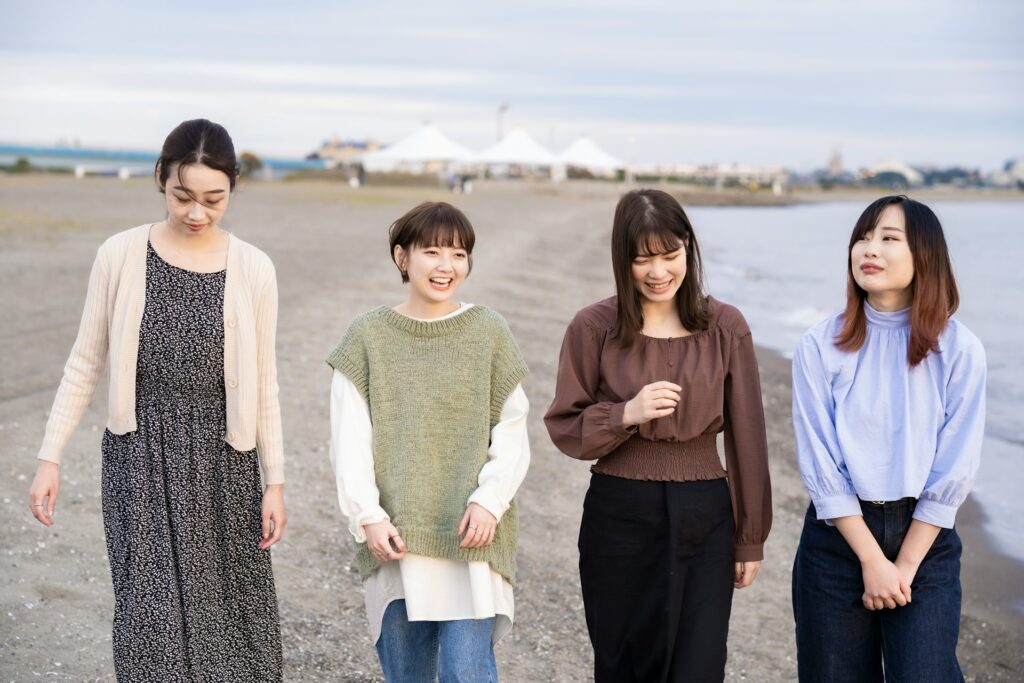
The attire in Japan varies by season, and your packing lists should reflect these changes. Spring and autumn are marked by mild temperatures and a call for layers in neutral colors, which can be both practical and stylish.
A Japan trip requires versatility in your wardrobe to accommodate the varying climates and activities planned. Whether you’re attending a festival or a temple visit, your attire should be adaptable and appropriate for the setting.
Dressing for Spring (March, April, May)
Traveling to Japan during spring means experiencing a range of temperatures, with mornings and evenings often cooler than midday. When packing, consider a waterproof jacket and a travel umbrella to be prepared for any sudden changes. The average temperature in Japanese cities during spring requires a wardrobe that can adjust from brisk mornings to warmer afternoons.
• Cherry Blossom Viewing Essentials
When you’re out capturing the fleeting beauty of the cherry blossoms, don’t forget to bring along a sim card for instant photo sharing and a travel adapter to keep your devices charged. These essentials will enhance your cherry blossom viewing experience, ensuring you’re connected and ready to capture every moment.
Summer Fashion (June, July, August)
Summer in Japan is known for its high humidity and heat, with temperatures ranging widely across the country. In Japanese cities, Japan can reach temperatures that call for lightweight and breathable clothing to stay comfortable during the summer season.
Autumn Wear (September, October, November)
The autumn in Japan brings a respite from the heat, and with it, the typhoon season. This transition between seasons in Japan means that your wardrobe needs to be versatile enough to handle sudden rainstorms and the cooler air. In Japanese cities, layering is the key to navigating the rapidly changing weather.
Winter Outfits (December, January, February)
In the northern regions, winter weather in Japan during the colder months can be severe, while cities like Tokyo and Kyoto experience milder but still chilly temperatures. To stay cozy, include thermal layers and winter socks in your travel wardrobe to explore Japanese cities comfortably.
Staying Warm During Japan’s Chilly Months
Embracing Japanese culture during winter means staying warm while enjoying the stunning landscapes and cultural events. From the proper attire for temple visits to the right layers for participating in winter festivals, understanding the local customs and weather will ensure you’re well-prepared for your winter journey through Japan.
Footwear Choices for Navigating Japan
When planning your journey through Japan, a key consideration is footwear. In a country where removing your shoes is often required before entering certain establishments, such as temples, traditional inns (ryokan), and even some restaurants, it’s crucial to opt for shoes that are easy to slip on and off.
Additionally, the streets and public transportation can be quite clean, so it’s respectful to maintain that cleanliness with your shoe choice. Alongside convenience, comfort is paramount, especially when you’re likely to be walking extensively to explore. Whether you’re strolling through bustling city streets or visiting tranquil gardens, the right shoes can make all the difference in your day-to-day adventures in Japan.
Comfortable Walking Shoes for Exploring Cities
In cities like Tokyo, you’ll want comfortable walking shoes that can handle both the metropolitan pavement and the occasional green space. A smart casual style is often preferred, blending in seamlessly with the urban environment.
For those unexpected rainy seasons, waterproof boots are a wise choice, ensuring dry feet as you navigate through the sporadic downpours. Remember, locals often judge politeness on appearance, so a clean and presentable pair of shoes—and socks to match—is a simple yet effective way to show respect.
While sneakers are a go-to for comfort, they should also match a variety of outfits, from jeans to more formal attire. Planning your wardrobe with versatility in mind allows you to pack light and still be prepared for any occasion—from a casual café visit to a sophisticated dinner experience in the heart of the city.
Traditional Footwear Experiences
For a touch of Japanese tradition, you might find yourself removing your shoes to partake in cultural experiences. This practice is not just about footwear—it’s a sign of respect and an integral part of Japanese customs.
When participating in traditional events or entering certain historic sites, you may be provided with tabi (split-toe socks) or the opportunity to wear geta (wooden sandals), enhancing your cultural immersion and offering a glimpse into historical Japanese fashion.
• Tabi and Geta for Cultural Events
Attending a festival or a tea ceremony offers the perfect chance to try tabi and geta. These traditional forms of footwear are not only culturally significant but also designed to complement the yukata or kimono you may wear for such events.
The split-toe design of the tabi allows for a snug fit with the geta, while the wooden base of the geta elevates you slightly, keeping the elegant fabrics of traditional attire clean and off the ground.

Cultural Considerations in Japanese Dress
When exploring the diverse places in Japan, it’s crucial to consider local customs and dress codes. As you plan on visiting both urban and rural areas, be mindful that each setting may have different expectations regarding attire.
Metropolitan areas might embrace more contemporary and international styles, while smaller towns and villages may appreciate a more conservative approach to dressing. This is especially pertinent during visits to places of worship or cultural significance, where modesty is highly valued.
Understanding these nuances can enhance your travel experience, as dressing appropriately is a sign of respect towards the culture and the people you’re interacting with. It’s not just about blending in—it’s about acknowledging and honoring the traditions and values of Japan.
Temple and Shrine Visit Etiquette
Visiting temples and shrines is a must-do in Japan, and adhering to the right etiquette is part of the experience. Appropriate attire is conservative, covering shoulders and knees, and shoes are often removed before entering sacred spaces.
This practice is a sign of respect and cleanliness, symbolizing leaving the outside world behind as you enter a place of tranquility and reverence. While inside, observe and follow the customs—whether it’s washing hands at the purification fountain or offering a silent prayer. These actions, along with the appropriate dress, show your respect for the spiritual significance of the sites and contribute to a more authentic and respectful visit.
Onsen Attire – What to Know Before You Soak
Onsens, or traditional Japanese hot springs, are a cornerstone of leisure and wellness in Japan, but they come with their own set of attire rules—vastly different from what you might expect in Western countries.
Before soaking in the communal baths, you’ll change into provided yukata robes and use the washing stations to clean yourself thoroughly. It’s a communal experience, so practicing good hygiene and modesty is key.
Inside the onsen, swimwear is typically not worn, and tattoos may need to be covered, as they can be associated with the taboo image of yakuza (organized crime in Japan). However, private onsen or those within your ryokan may offer more flexibility. Always check the rules ahead of your visit to ensure a relaxing and culturally respectful experience.
Embracing the Yukata and Kimono
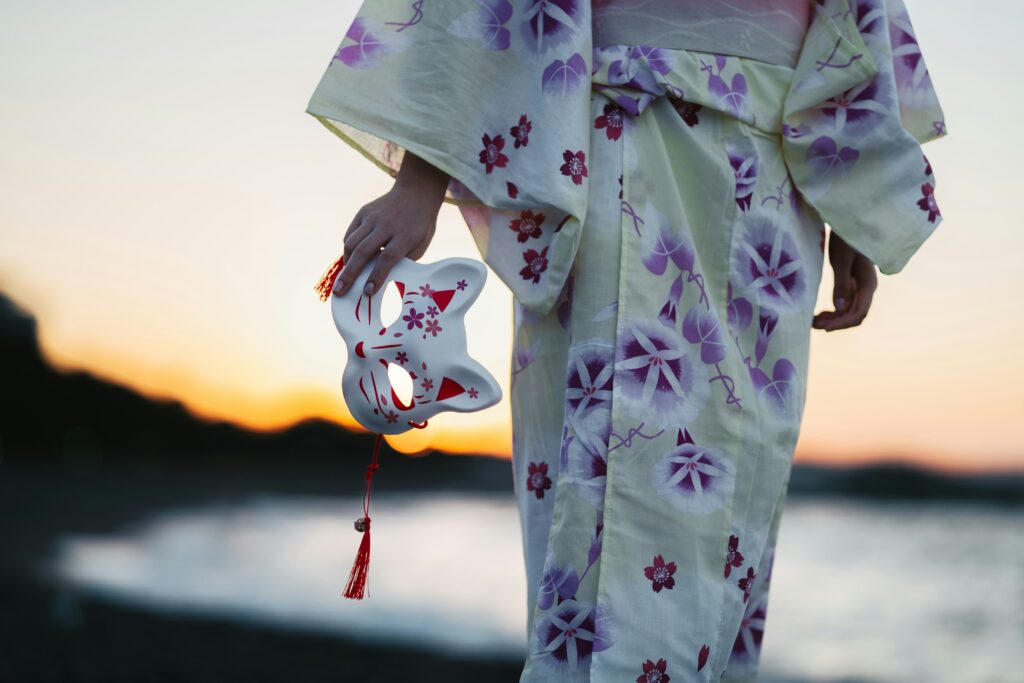
Embracing the yukata and kimono can be a highlight of your trip to Japan. These traditional garments are not only beautiful but also steeped in cultural significance. Yukatas are commonly worn during summer festivals and are lighter and more casual, while kimonos are more formal and can be worn to a variety of events, from weddings to tea ceremonies.
When wearing either, it’s important to wrap the left side over the right, as the reverse is reserved for dressing the deceased. Many shops offer rental services for these traditional garments, allowing you to immerse yourself in the culture for a day.
They’ll often assist with dressing, as the proper way to wear a yukata or kimono involves intricate folds and ties. Wearing these garments correctly is a sign of respect and an opportunity to fully engage with the Japanese way of life.

Special Advice for First-Time Visitors to Japan
For those experiencing Japan for the first time, it’s natural to feel a mix of excitement and uncertainty. To navigate cultural nuances with ease, observe and emulate local habits and manners.
Be prepared for cash transactions, as not all places accept credit cards, and carry a lightweight bag for your purchases to avoid needing single-use plastic bags, which are often charged for. Also, familiarize yourself with basic Japanese phrases; even simple attempts at the language can be a bridge to warm interactions with locals.
Lastly, keep an open mind and be adaptable. Japan is a country of contrasts—where ancient traditions seamlessly blend with cutting-edge technology—and your flexibility will allow you to embrace the full spectrum of experiences. From the serene beauty of Kyoto’s temples to the electrifying pace of Tokyo, each moment is a chance to learn and grow as a traveler.
Avoiding Common Fashion Faux Pas
To avoid common fashion faux pas in Japan, consider the context of your activities. Overly casual attire, such as flip-flops or overly revealing clothing, can be frowned upon in certain situations.
Additionally, while Japan is fashion-forward, extreme trends and loud designs might not be suitable everywhere, especially in professional or formal settings. Aim for a balance that respects the culture while allowing your personal style to shine through. Another tip is to pay attention to the season and the corresponding social cues.
For instance, wearing white to a wedding can be seen as competing with the bride, and some colors may be associated with specific seasons or festivities. Being aware of these subtleties can help you dress appropriately and feel more integrated into the local scene.
Tips on Adapting to Local Fashion Norms
To adapt to local fashion norms, observe the general style around you. In more conservative areas, modesty is key—think longer hemlines and covered shoulders. In contrast, trendy neighborhoods in Tokyo may inspire you to be more daring with fashion choices.
However, always prioritize comfort and practicality; for example, choose layers that can be easily added or removed to accommodate changing indoor and outdoor temperatures. Remember, it’s not just about the clothes you wear but how you wear them.
Neatness and grooming are highly regarded in Japan, so keeping your attire tidy and well-fitted is as important as the style itself. When in doubt, opt for understated elegance—it’s a universal approach that aligns well with Japanese aesthetics.
Packing for Japan’s Diverse Regions
Packing for Japan’s diverse regions requires a thoughtful approach. The northern reaches of Hokkaido, known for its cold winters, demand warm layers, while the subtropical climate of Okinawa calls for lighter clothing and sun protection.
Regardless of where you’re headed, versatility is key. A cardigan or jacket that can be dressed up or down is indispensable, and a pair of jeans is a travel staple that can be worn in various settings. Consider the activities you’ll engage in as well.
If you’re planning to hike in the Japanese Alps, for example, appropriate outdoor gear is essential. Conversely, if urban exploration is on your agenda, pack light to make room for potential purchases and to ease your movement through crowded areas. And, regardless of the region, always bring a foldable umbrella—it’s a lifesaver during sudden showers, which can occur year-round.
Northern Hokkaido vs. Southern Okinawa
Navigating the climate differences between northern Hokkaido and southern Okinawa requires packing with a strategic eye. In Hokkaido, especially during the winter months, you’ll need warm winter clothing, including insulated jackets, thermal layers, and waterproof footwear to enjoy the snowy landscapes comfortably.
Alternatively, Okinawa’s subtropical climate means lighter clothing, such as shorts, t-shirts, and sandals, is suitable for most of the year, along with swimwear for beach outings. Regardless of the destination, always consider the cultural context.
Even in beachy Okinawa, a cover-up for when you’re away from the water is advisable. In Hokkaido, local customs still value modesty despite the more relaxed tourist vibe. Balancing cultural sensitivity with climate-appropriate clothing will ensure a pleasant experience in either region.
Metropolitan Tokyo vs. Countryside Kyoto
The contrast between metropolitan Tokyo and countryside Kyoto extends to fashion. Tokyo’s fast-paced, fashion-conscious environment encourages cutting-edge styles and bold expressions. Here, you can experiment with contemporary trends and enjoy the vibrant street fashion scene.
Meanwhile, Kyoto’s historical and cultural ambiance calls for a more subdued, classic wardrobe. Think elegant, understated pieces that reflect the city’s rich heritage and tranquil atmosphere.
In both cities, however, the emphasis on neatness and appropriateness remains. Whether you’re visiting temples in Kyoto or attending a business meeting in Tokyo, dressing respectfully is crucial. Smart casual attire is often a safe bet, allowing for comfort during the day and an easy transition to evening activities.
Japan Travel Essentials to Enhance Your Trip
When traveling to Japan, certain essentials can greatly enhance your experience. A SIM card or travel adapter, for instance, ensures you stay connected and can charge your devices. In terms of apparel, pack a versatile dress code that suits a range of occasions.
Japanese dress often leans towards smart casual, so include outfits that are adaptable for both day and night engagements. Other must-haves include a light cardigan or jacket for unexpected temperature drops and at least one pair of jeans for their versatility.
Crop tops and other revealing items might be more acceptable in the summer or in trendier districts but always consider the setting. And remember, Japan is a country of walking, so comfortable footwear is a necessity. With these items in your suitcase, you’re set for a journey filled with discovery and respect for the local culture.
Tech Gadgets for a Smooth Journey
Embarking on a journey through the bustling streets and serene landscapes of Japan, a reliable tech arsenal is your best ally. A portable Wi-Fi hotspot will keep you connected to navigate the places in Japan you plan on visiting, while a power bank ensures your devices never run out of juice.
Don’t forget a universal adapter, as Japan’s outlets may differ from your home country. Compact and efficient, these gadgets are indispensable tools for a seamless experience.
Convenience Items Found in Japanese Stores
Once you arrive, you’ll find an array of convenience items tailored to travelers’ needs in Japan’s ubiquitous convenience stores. From travel-sized toiletries to pre-paid transportation cards, these stores offer practical solutions to enhance your journey.
Snacks, bento boxes, and even basic apparel can be found, allowing you to pack lighter and pick up essentials as you explore the diverse regions and plan on visiting various attractions.
What NOT to Pack for Japan
When packing footwear for Japan, remember that a single pair of shoes might not suffice. While comfortable walking shoes are a must for city explorations, you may want options that are ideal for temples, where you’ll need to remove your shoes frequently.
Opt for shoes that are easy to slip on and off, keeping in mind the cultural practices you’ll encounter. Respecting local customs is paramount, and this extends to attire. Women in Japan tend to dress modestly, and as a visitor, it’s wise to follow suit.
Choose outfits that blend in rather than stand out, keeping comfort and cultural sensitivity in balance. This approach will serve you well, whether you’re wandering through Tokyo’s neon-lit streets or attending a traditional tea ceremony.
Overly Casual or Disrespectful Clothing
In Japan, dressing appropriately is a sign of respect. Japanese women typically avoid showing cleavage and overly casual attire, especially in professional or formal settings. As a traveler, aiming for a smart-casual look can help you blend in and show respect. It’s essential to be mindful of your clothing choices, particularly when visiting sacred sites or participating in local ceremonies.
Bulky Items That Impede Travel Efficiency
When planning a trip to Japan, it’s crucial to pack smart. Bulky items not only take up valuable suitcase space but also make navigating Japan’s public transportation and crowded streets more challenging.
Choose clothing that is versatile and can be layered, and prioritize compact, multi-functional items over large, single-purpose ones to ensure your travels are smooth and unencumbered.
Wrapping up Your Perfect Japan Wardrobe
As you prepare for your trip, remember the importance of versatility and respect in the clothing you choose. From multi-purpose layers to accommodate Japan’s varied climate, to rain gear for sudden showers, ensuring you have these essential items in your luggage is key.
Seasonal attire is a must, with winter coats for the chilly months, lightweight fabrics for summer humidity, and culturally appropriate garb like the yukata for special occasions. Footwear that balances comfort for long walks in public places and the ability to slip off easily when using public transportation or entering homes is also essential.
Streamline your packing to include only the necessities, and remember, renting seasonal apparel can be an efficient option. With these tips in mind, you’re all set to embrace the local fashion norms and enhance your travel experience.

I’m Kai, a 28-year-old digital nomad, fueled by a love for photography and storytelling. Roaming Japan’s cities and countryside, especially in the vibrant spring season, I immerse myself in the rich culture and traditions. I share my adventures and insights, offering a firsthand perspective for fellow travelers and Japan enthusiasts alike. Let’s explore Japan together, sans the unnecessary frills.