Table of Contents
In the Tohoku region and Akita Prefecture, traditional wooden inns and ryokan traditional accommodations are framed by snowy landscapes, offering views of snowfalls that seem plucked from a fairy tale.
The winter season in Japan is not only about the snow; it’s a time when cultural winter festivals light up the cities and towns, and the healing properties of onsen hot springs are most appreciated.
Whether ice skating on the Ginzan River in the historic spring town of Ouchi Juku or admiring the “snow monsters” in Zao Onsen Ski Resort, Japan’s snow country is a destination that promises unforgettable winter travel experiences.
Introduction to Japan’s Winter Season
The winter season in Japan stretches from December to February and is characterized by cold weather highly conducive to snowfall. The combination of winter’s chill and moisture from the Sea of Japan gives rise to picturesque snowy settings, particularly in the mountainous regions where snow can be abundant during the winter.
Cityscapes and rural areas are transformed, offering locals and visitors alike a chance to revel in the beauty of winter in Japan.
Geographical Variance of Snowfall in Japan
Japan’s diverse topography means that snowfall can vary significantly from region to region. The northern island of Hokkaido, home to the famous Sapporo Snow Festival held in Odori Park, experiences some of the country’s most abundant snowfalls.
Here, cold air collides with the mountains, resulting in significant amounts of snow, creating a paradise for skiing and snowboarding. In contrast, the more southern Kansai region sees a gentler glimpse of snow magic, with less frequent snowfalls but enough to enchant visitors with its brief winter beauty.
Hokkaido’s Winter Fairytale
During winter, the island of Hokkaido becomes a scene from a winter fairytale, with its landscape blanketed in thick, fluffy snow. The skiing season is in full swing, with resorts offering varied terrain for all levels of skiers and snowboarders.
The powder snow here is some of the finest in the world, attracting winter sports aficionados from across the globe. This snowy haven is not only about sports; the winter’s cold is embraced and celebrated through local culture and festivities.
Tohoku’s Snow-Covered Scenery
The Tohoku region, located in the northern part of Japan’s main island, Honshu, is renowned for its dramatic winter landscapes. Mountains and valleys are covered in a thick white blanket, creating a serene and peaceful environment.
The area is less frequented by international tourists, offering Japan a more secluded and authentic winter experience. Snowfall here can be heavy, making it an ideal backdrop for traditional events and a quiet retreat for those looking to escape the bustling city life.
Kansai’s Glimpse of Snow Magic
Kansai, situated in the southern regions of Japan’s main island, offers a more subtle winter experience. Snowfall during the winter is less intense than in the northern parts of the country, ranging from 300 to 600 millimeters.
The proximity to the Pacific Ocean influences the snow season in Japan here, with occasional snow showers that dust the cities, creating a fleeting yet magical atmosphere. Snow activities are more limited but equally enchanting, as the region reveals a different side of winter’s charm.
Japan’s Most Famous Snowy Destinations
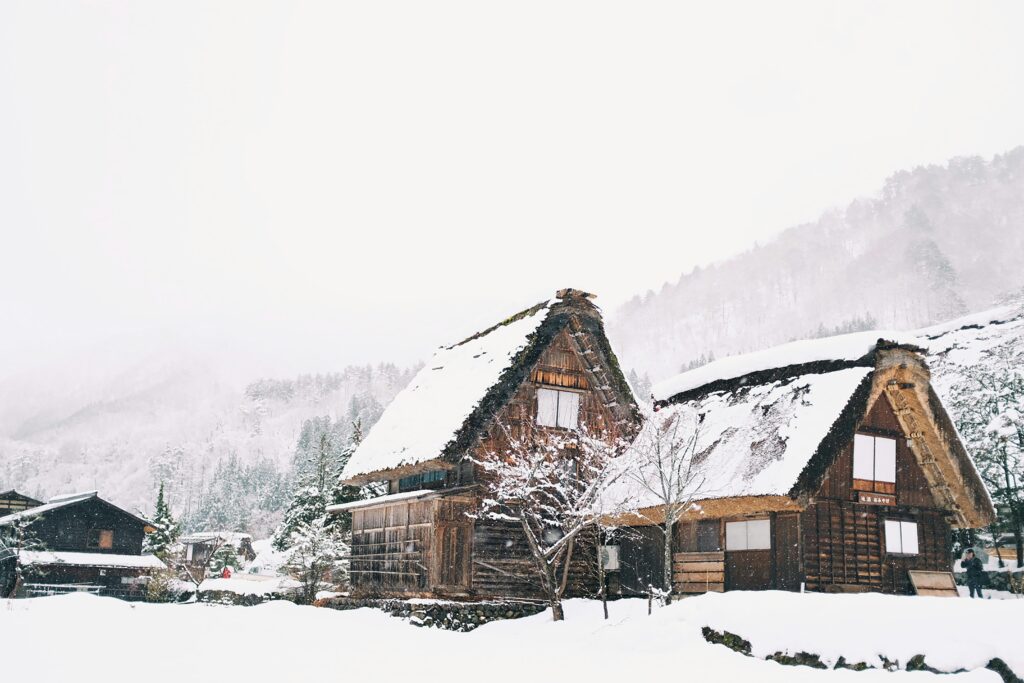
Japan boasts numerous destinations that come alive during the winter season. The Shirakawago in Gifu Prefecture, a UNESCO World Heritage site, is famous for its traditional thatched-roof houses set against a snowy backdrop, offering a glimpse into Japan’s rustic past.
In contrast, the city of Sapporo on the island of Hokkaido is a bustling metropolis that celebrates winter with its grand Sapporo Snow Festival, featuring intricate snow and ice sculptures. Kyoto, often known for its historical sites, also shines in the winter.
The Charm of Shirakawago in Gifu Prefecture
Shirakawago, nestled in the mountains of Gifu Prefecture, is a vision of wintertime nostalgia. The historic village, recognized as a UNESCO World Heritage site, captivates visitors with its gassho-zukuri farmhouses.
Its steep, thatched roofs resemble hands in prayer and are designed to withstand the region’s heavy snowfall. During the winter months, these homes are illuminated at night, casting a warm glow against the snow, creating a scene that feels like stepping into a timeless Japanese ink painting.
The village’s charm is amplified during winter as the landscape turns into a serene blanket of white. Tourists can explore the snow-laden paths, visit the local museums, and take in the area’s rich history.
The annual light-up event is particularly popular, drawing visitors from all over to witness Shirakawago’s snowy splendor under the enchanting night sky.
The Winter Majesty of Sapporo
Sapporo, the capital city of Hokkaido, is a testament to the beauty and excitement of winter in Japan. As the host of the renowned Sapporo Snow Festival, the city comes to life with a vibrant display of snow sculptures and ice art that draws visitors worldwide.
The festival’s main site, Odori Park, becomes a canvas for artists who transform blocks of ice and snow into masterful works of art. But the festival is just the beginning of Sapporo’s winter offerings.
The city is also a gateway to Japan’s most famous ski resorts and winter sports areas. With its urban conveniences and proximity to snowy mountains, Sapporo provides a perfect blend of city life and winter adventure.
Visitors can enjoy a day on the slopes and an evening exploring the city’s numerous restaurants, shops, and entertainment options.
The Mystical Air of Kifune Shrine in Kyoto
In the ancient city of Kyoto, the Kifune Shrine stands as a serene sanctuary embraced by the chill of winter. A mystical atmosphere envelops the shrine as snowflakes gently settle on the vermilion-colored gates and lantern-lit stone steps.
Known for its spiritual significance and connection to water deities, Kifune Shrine provides a tranquil escape where visitors can experience the divine beauty of winter in a historical context.
Seasonal Wonders: Snow Festivals Across Japan
Winter in Japan is celebrated with various festivals that highlight the beauty and fun of the season. The Sapporo Snow Festival in Hokkaido and the Otaru Snow Light Path Festival, just a short trip from Sapporo, are two of the most famous winter festivals, showcasing spectacular snow and ice sculptures.
In the Tohoku region, the tradition continues with events like the Yokote Kamakura Festival in Akita Prefecture, where visitors can explore snow huts and enjoy local delicacies.
These festivals are not just about the artistry of snow; they reflect Japan’s cultural appreciation for the winter season and the community spirit that thrives despite the cold.
Celebrating the Sapporo Snow Festival
The Sapporo Snow Festival is one of Japan’s most famous winter spectacles. Each year, the city transforms into a wonderland of snow and ice sculptures, with artists worldwide coming to showcase their talents.
The festival spans several sites in the city, including the main venue at Odori Park, where larger-than-life sculptures create a breathtaking display of creativity and craftsmanship.
Aside from the visual marvels, the festival offers a range of activities for all ages. Visitors can enjoy live performances, local food stalls, and interactive exhibits that make the Sapporo Snow Festival a highlight of winter in Japan.
The festival’s magic extends into the night when the sculptures are illuminated, creating a dazzling winter experience that captivates the young and the young at heart.
The Traditional Yokote Kamakura Festival in Akita
In the snowy region of Akita Prefecture, the Yokote Kamakura Festival is a time-honored winter celebration. For over four centuries, the cities and towns of the area have come together to construct kamakura, igloo-like snow houses, which are then decorated and illuminated with candles.
The festival is a social occasion where locals and visitors can gather inside these snow dwellings to share food, drink warm sake, and engage in friendly conversation. The festival’s origins are rooted in children’s prayers for plentiful harvests and the safety of their families.
Today, it is a cherished event that brings the community together, offering a unique opportunity to experience traditional Japanese culture amidst the serene beauty of Akita’s winter landscape.
The Yokote Kamakura Festival is a testament to the enduring spirit of Japan’s people and their reverence for the gifts of nature, even in the coldest of seasons.

Thermal Delight: Onsen Ryokans With Snowy Views
Japan’s winter charm is incomplete without the experience of soaking in an onsen hot spring surrounded by a snowy vista. Onsen ryokans, particularly those like Nyuto Onsen in Akita Prefecture and Tochigi Prefecture, offer guests the unique pleasure of thermal relaxation paired with breathtaking winter scenes.
The contrast of steaming waters against the crisp, cold air is a sensory delight that epitomizes the Japanese embracing of the winter season.
Enraku in Toyama Prefecture: A Winter Ink Painting
The hot spring ryokan of Enraku, located in the picturesque Toyama Prefecture, is a haven for those seeking a serene winter retreat. As snow blankets the landscape, Enraku’s traditional architecture and warm, inviting baths become a living ink painting, offering an authentic Japanese experience.
The Ryokan’s outdoor baths, or rotenburo, allow guests to immerse themselves in healing waters while taking in the stunning snow-covered surroundings, providing peace and reflection.
Enraku’s hospitality extends beyond its baths, with exquisite kaiseki meals that feature seasonal, locally sourced ingredients. Guests can savor these culinary delights while gazing at the tranquil winter scenery, making for a truly immersive and indulgent stay.
The combination of Toyama’s natural beauty and Enraku’s luxurious amenities creates the perfect setting for a memorable winter escape in Japan.
Tsurunoyu Onsen in Akita: A Window to Winter Serenity
In the snowy embrace of Akita Prefecture lies Tsurunoyu Onsen, a traditional hot spring inn that offers a tranquil escape from the bustling world. As the oldest onsen in the Nyuto Onsen area, Tsurunoyu presents a picturesque setting amid white landscapes, with steam rising from its outdoor baths.
Visitors find solace soaking in the thermal waters, believed to have healing properties, while the surrounding snow-laden trees are silent witnesses to this peaceful communion with nature. The onsen’s rustic charm is enhanced by its history, dating back centuries, and the minimalist Japanese aesthetic of its accommodations.
The experience of a winter dip in Tsurunoyu Onsen is not just about warmth and relaxation but also about connecting with Japan’s cultural heritage, making it a must-visit for those seeking serenity during the colder months.
Unique Snow Experiences in Japan
Japan’s winter offers unique experiences beyond the ordinary, from bathing in hot springs while snowflakes fall to visiting Japan’s picturesque sites blanketed in snow. Don’t miss the chance to see the snow monkeys at Jigokudani Monkey Park or to walk along the snowy Otaru Canal, where the winter lights reflect charmingly on the water. These are moments that capture the essence of a Japanese winter.
Witnessing the Snow Monkeys of Jigokudani
The Snow Monkeys of Jigokudani are captivating as they bathe contentedly in the steaming onsen waters, seemingly oblivious to the snowflakes that settle on their fur. Jigokudani Monkey Park provides a rare opportunity to observe these wild macaques up close, offering insights into their behavior and social structures.
The park’s peaceful setting in the heart of a snowy valley adds to the enchantment of this unique wildlife encounter. Visiting Jigokudani in winter allows travelers to capture stunning photographs and witness the remarkable adaptation of these creatures to the cold.
The park’s pathways may be covered in snow, so sturdy boots and caution are advised. Despite the chill, the experience is warm with wonder, making it a highlight for nature enthusiasts and photographers alike.
Strolling Through Snowy Metasequoia Avenue in Shiga
Metasequoia Avenue in Shiga Prefecture presents a breathtaking sight in winter. The towering trees, lined in perfect symmetry, are adorned with a delicate frosting of snow, creating a serene and almost otherworldly atmosphere.
A stroll along this avenue is like walking through a living snow globe, with each step revealing a new angle of natural beauty as the snow-dusted branches frame the crisp winter sky above.
Winter Illuminations: Japan’s Nighttime Sparkles
As night falls, Japan transforms into a glittering display of winter illuminations. Cities and towns nationwide light up with thousands of twinkling lights, creating a magical atmosphere that enchants visitors and locals alike.
These dazzling displays are not just about brightness; they are intricately designed to tell stories and highlight the beauty of the winter season.
Ginzan Onsen’s Nostalgic Illumination
Ginzan Onsen, nestled in the mountains of Yamagata Prefecture, becomes a nostalgic scene of a bygone era with its winter illuminations. The warm glow from the traditional ryokan windows reflects on the snow-covered streets, while the soft light from the gas lamps illuminates the footpaths, guiding visitors through a romantic winter night.
The ambiance is reminiscent of a time when the pace of life was slower, inviting contemplation and wonder. The highlight of the Ginzan Onsen experience is undoubtedly the evening stroll.
As you wander the historic streets, the snow absorbs the sounds, creating a hushed, tranquil world where the only noise is the gentle flow of the nearby river. The combination of the soft lights and the historic architecture makes for an otherworldly experience, capturing the essence of Japan’s winter charm.
Kyoto’s Enchanting Winter Lights
Kyoto, Japan’s ancient capital, takes on a mystical air during winter as temples, shrines, and gardens are illuminated against the night sky. The city’s enchanting winter lights enhance Kyoto’s natural and cultural beauty, offering a new perspective on the historic structures. Visitors can walk through these glowing scenes, feeling as though they’ve stepped into a living painting that captures the spirit of traditional Japan.

Embracing Japanese Winter Culture
Embracing Japanese winter culture means more than enduring the cold; it’s about delving into the season’s unique traditions. From savoring steaming bowls of ramen to participating in onsen soaking rituals, winter in Japan is an opportunity to experience a different facet of Japanese life.
This season’s customs, emphasizing warmth and community, reflect the resilience and harmony hallmarks of Japan’s cultural identity.
Japanese Winter Cuisine and Comfort Food
Japanese winter cuisine is a celebration of comfort and warmth. Dishes like nabe, a hot pot brimming with fresh ingredients, and hearty bowls of ramen are staples during the chilly months.
Each meal is designed not only to satisfy hunger but also to bring solace from the cold. The flavors are rich and deep, often featuring seasonal produce, and are best enjoyed in the cozy setting of an izakaya or at home with family and friends.
The Tradition of Winter Onsen Soaking
As snowflakes dance through the chilly air, a beloved tradition in Japan is the winter onsen soaking. Japanese onsens and natural hot springs become havens of warmth and relaxation amidst the cold.
The contrast between the crisp winter air and the soothing hot waters encapsulates a quintessentially Japanese experience. Steeping in an onsen surrounded by snow-covered landscapes offers a serene escape, allowing one to appreciate the quiet beauty of winter in Japan.
Conclusion
Journeying through Japan in winter reveals a landscape transformed. From the snowy peaks to the warmth of onsen towns, the season’s magic touches every corner, leaving an indelible impression of Japan’s diverse and enchanting winter charm.

I’m Kai, a 28-year-old digital nomad, fueled by a love for photography and storytelling. Roaming Japan’s cities and countryside, especially in the vibrant spring season, I immerse myself in the rich culture and traditions. I share my adventures and insights, offering a firsthand perspective for fellow travelers and Japan enthusiasts alike. Let’s explore Japan together, sans the unnecessary frills.