Table of Contents
Moving to Japan encompasses much more than packing bags; it’s an exciting leap into a distinct culture with unique customs. Japan’s blend of ancient traditions and cutting-edge technology captivates many.
However, considerations such as securing accommodations, understanding the local customs, and ensuring a stable income are paramount for those planning to move. Knowledge about the educational system is also crucial, especially for those with children looking to continue their education in Japanese schools.
But then again, expats often manage international money transfers and seek advice on the best schools in Japan for their children. The transition can be a smooth and enriching experience with the right preparation.
Preliminary Considerations for Relocating to Japan
Before boarding the plane, it’s essential to ponder if the move to Japan permanently aligns with personal and professional aspirations. The Japanese immigration system is stringent, and understanding its ins and outs is crucial for a smooth transition.
Prospective expats should also be aware of the average life expectancy, one of the highest globally, hinting at the quality of life in Japan. Wondering how to move to Japan starts with research and planning.
Utilizing tools like Google Translate can assist with language barriers during initial research. However, understanding the nuances of Japanese culture and the legalities of residing there requires a deeper dive into the policies of Japanese immigration and the cost of living in various cities.
Deciding Whether Life in Japan Aligns With Your Goals
Japan offers a distinctive lifestyle, blending modernity with tradition. When considering a move, it’s important to evaluate how Japanese life harmonizes with one’s long-term goals, career aspirations, and personal growth.
Prospects should also reflect on their adaptability to Japan’s work ethics societal norms, and their readiness to embrace the cultural nuances that define living in Japan.
Understanding the Cost of Living and Moving Expenses
Japan’s cost of living varies significantly from the rural regions to the bustling city center areas. Budgeting for the move is crucial, weighing housing costs, daily necessities, and transportation.
Expats should assess their financial readiness to ensure a stable transition, factoring in moving expenses and the cost of establishing a new home in Japan.
Cultural Adaptation and Language Barrier Challenges
Japan presents unique challenges for English speakers with its complex language and intricate social etiquette. Cultural adaptation goes beyond learning the language; it requires understanding Japanese customs and traditions.
Successfully integrating into society often hinges on one’s willingness to embrace these new cultural aspects and overcome the language barrier with patience and practice.

Visa and Legal Requirements for Living in Japan
The visa process for staying in Japan is meticulous and requires careful attention to detail. Applicants should start by visiting the nearest Japanese embassy or consulate, armed with original and one copy of all necessary documents.
The Ministry of Foreign Affairs of Japan provides guidelines for those seeking to study in Japan or work as an English teacher. It’s also beneficial for winter sports enthusiasts who wish to explore Japan’s renowned ski resorts.
Identifying the Appropriate Visa Category for Your Situation
Choosing the right visa category is critical for those coming to Japan. Japanese companies often sponsor work visas, while the holiday program offers a unique opportunity for younger travelers.
Those married to a Japanese citizen may apply for a spouse visa, and language teachers or other professionals must obtain a work visa correlating with their field of expertise.
Working Visa Options Including Highly Skilled Professional Visa
For those with specialized skills, the highly skilled professional visa offers a pathway to living and working in Japan. This visa category is designed for individuals who can contribute to the Japanese economy through academia, business management, or technology expertise. It provides a clear route for talented professionals to establish themselves in Japan.
General and Specified Visas for Various Purposes
Japan offers a variety of visas to cater to different purposes, from cultural activities to technical internships. Each visa category has specific criteria that must be met, and applicants should carefully select the one that best suits their intentions in Japan.
It’s crucial to understand the nuances of each visa type to ensure compliance with Japanese immigration laws.
The Process of Acquiring Permanent Residency in Japan
Acquiring permanent residency in Japan is a goal for many expats. The process is streamlined for individuals married to a Japanese citizen or those holding a highly skilled professional visa. Permanent residency grants the freedom to live and work in Japan indefinitely, offering a sense of stability and belonging in the community.
Necessary Documentation and Legal Procedures
Embarking on a new life in Japan requires thorough preparation, especially regarding legal documentation. Depending on their circumstances, foreign nationals must obtain the correct visa, ranging from a work visa to a spouse or student visa.
Additional essential documents include a valid passport, visa application forms, and often a Certificate of Eligibility, which demonstrates the reason for the stay. Once in Japan, registering for a residence card is mandatory, as it serves as an ID and is necessary for various administrative procedures.
Financial Planning and Management in Japan
Financial foresight is vital when planning a move to Japan. The initial costs can be significant, encompassing moving expenses, rent deposits, and setting up a household. Ongoing expenses include rent, utilities, food, transportation, and healthcare.
It’s also wise to set aside funds for emergencies. Expats should create a comprehensive budget for one-time relocation and regular living expenses to ensure a smooth transition into their new Japanese lifestyle.
Budgeting for Your Move and Ongoing Expenses
When budgeting to move to Japan, understanding the nuances of income tax obligations is crucial. Japan’s income tax can affect your finances significantly, depending on your salary and the length of your stay.
When considering bringing a car to Japan, consider the associated costs, such as mandatory inspections, insurance, and parking. Securing a Japan work visa also involves fees that should be factored into your budget. A detailed financial plan is essential for a successful transition.
Setting Up a Japanese Bank Account
Upon arriving in Japan, setting up a local bank account is a priority for managing finances and daily transactions. To open an account, expats need their residence card, passport, and sometimes a proof of address.
Students who study in Japan may also need documents from their Japanese language school or university. While English-speaking assistance may be available, having basic Japanese language skills can streamline the process.
Services like Google Translate can aid in communication for those with limited language proficiency. Moreover, a debit card linked to your account will facilitate day-to-day purchases and online transactions.
Navigating Japanese Taxes and Insurance Systems
As a resident of Japan, navigating the local tax system is essential. Income tax rates vary based on earnings, and understanding the brackets and deductions can help financial planning.
Residents must also enroll in Japan’s health insurance system, which covers some medical costs. Expatriates should familiarize themselves with tax deadlines and insurance procedures to ensure compliance and avoid penalties. Professional advice or assistance from an accountant familiar with expat tax situations can be invaluable.
Finding Employment in Japan
Securing employment is a fundamental step for expats aiming to sustain a comfortable standard of living in Japan. The job market in Japan offers diverse opportunities, but competition can be fierce, and cultural nuances play a significant role in the hiring process.
Foreigners looking for work must diligently search, targeting positions that match their skills and qualifications. It’s often recommended to begin job hunting well before moving, as this could also affect the type of visa required for entry.
Job Market Insights for Foreign Residents
The demand for English-speaking professionals in Japan can provide various job opportunities, particularly in education and business. Companies increasingly value international experience and language skills, which can open doors for expatriates.
Networking and leveraging online platforms can be effective strategies for uncovering job openings and making valuable connections within the industry of interest. Understanding the local job market’s requirements and trends is crucial for foreign residents seeking employment in Japan.
Teaching English and Other Common Expat Jobs
For many expats, teaching English becomes a gateway to living in Japan. Possessing strong language skills in English and often a TEFL certification can lead to opportunities in schools, language institutes, and private tutoring.
Beyond teaching, expats proficient in a foreign language can find translation, IT, and hospitality roles. The key to success is adaptability and a willingness to learn new skills that align with the needs of the Japanese job market.
Understanding Japanese Work Culture and Interview Etiquette
Japanese culture heavily influences the work environment and interview etiquette in Japan. Punctuality, respect, and humility are highly valued during job interviews and within the workplace.
Researching the company beforehand is essential, as is dressing conservatively and demonstrating an understanding of Japanese business practices. A deep appreciation for this etiquette will not only help in securing a position but also in building successful professional relationships once employed.
Building a Professional Network and Career Development
Building a robust professional network is crucial for expats holding a highly skilled professional visa in Japan. Engaging with local business events, joining professional associations, and participating in industry-specific seminars can provide valuable connections.
Additionally, leveraging social media platforms and attending career development workshops can enhance job prospects and foster professional growth in the dynamic Japanese market.
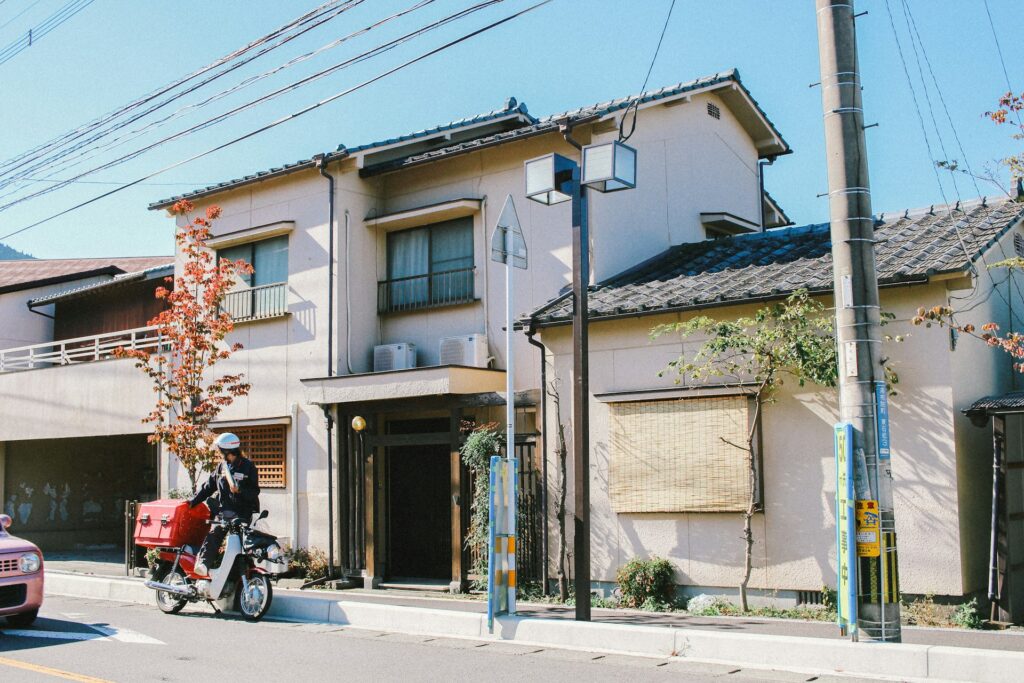
Housing in Japan: From Temporary to Permanent Accommodation
Securing appropriate housing is a critical step when relocating to Japan. Expats need to provide proof of financial stability, often required by landlords and should be prepared for the upfront costs associated with renting in Japan, such as key money, deposit, and agent fees.
Temporary Housing Solutions for New Arrivals
New arrivals in Japan frequently opt for temporary housing options like guesthouses or serviced apartments. A one-bedroom apartment is a popular choice for singles or couples seeking privacy and comfort while they search for more permanent living arrangements. These temporary solutions offer flexibility and convenience during the transition period.
Share Houses and Short-Term Rentals in Major Cities
Share houses offer both affordability and a chance to meet new people, making them an attractive option for many expats in major cities. Additionally, short-term rentals through platforms like Airbnb can provide a homely atmosphere and are available in various neighborhoods, catering to different preferences and budgets.
Finding and Securing Long-Term Residency
Long-term residency in Japan involves navigating visa in Japan requirements and understanding the local housing market. Expats should explore areas rich in cultural and religious activities to enrich their living experience. At the same time, those with specialized skills may seek regions known for industries that require skilled labor.
Popular Expat Neighborhoods in Tokyo, Osaka, and Beyond
Expat-friendly neighborhoods in Tokyo and Osaka are known for their vibrant communities and amenities. These areas typically offer a mix of international dining, entertainment options, and access to essential services, helping expats to settle in and feel at home in their new environment.
Navigating the Japanese Real Estate Market
The Japanese real estate market can be complex, with unique practices and regulations. Expats should familiarize themselves with the leasing process, including the role of real estate agents, and understand the typical terms of rental agreements to navigate the market effectively and find suitable housing.
Integrating into the Japanese Healthcare System
Understanding healthcare in Japan is essential for expats, as the country offers universal healthcare coverage. A valid visa is one of the prerequisites to enroll in the insurance system, ensuring access to comprehensive medical services and contributing to Japan’s high standard of healthcare.
Registering for Health Insurance and Understanding Coverage
Once an expat has a standard Japanese visa, they can register for health insurance. It’s important to understand the coverage provided, including what medical services are covered, the cost of premiums, and how to access healthcare facilities in Japan.
Emergency Preparedness and Important Contact Numbers
In emergencies, it is crucial to be prepared with a list of important contact numbers, including local hospitals, police stations, and embassies. Japan is known for its efficient emergency services, and knowing how to access these resources can provide reassurance in stressful situations.
It is also recommended to have basic emergency supplies and a plan, particularly considering Japan’s susceptibility to natural disasters like earthquakes and typhoons.
Education for Expats and Their Families
For families moving to Japan, the education system offers a range of options, from local Japanese schools to international schools. Understanding Japan’s rich history and educational philosophy can help parents make informed decisions about their children’s schooling.
International schools provide a curriculum similar to that found in many Western countries, often offering the International Baccalaureate program.
Overview of the Japanese Schooling System for Children
The Japanese schooling system is renowned for its high standards and rigorous curriculum. Standard Japanese education includes compulsory attendance in elementary through junior high school, with optional high school and university education.
For expat children, attending Japanese schools can be a gateway to full cultural immersion and language acquisition. In contrast, international schools offer a more familiar educational environment with English as the language of instruction.
Many international schools also celebrate Japan’s rich history and culture, providing a balanced perspective for students. Japanese and international schools typically have strong academic programs, and parents should consider their child’s adaptability and language proficiency when choosing the appropriate schooling option.
Adult Language Learning and Integration Programs
Language learning is a cornerstone of successful integration into Japanese society for adults. Enrolling in language courses can greatly enhance daily life experiences and professional opportunities.
Furthermore, Japan offers a variety of integration programs aimed at helping foreigners understand cultural and societal norms, which can be particularly beneficial for those planning a longer-term stay.
These programs often include language classes, cultural workshops, and networking events. They provide valuable platforms for meeting other expats and locals, establishing a support system, and gaining a deeper appreciation for Japanese traditions and contemporary life.
Establishing a Social Network in Japan
Establishing a social network is an important aspect of adapting to life in Japan. Expats often wonder how to move and integrate into the community and can find support through Japanese immigration services. With an average life expectancy among the highest in the world, Japan offers a quality of life that encourages long-term residency for those aiming to move to Japan permanently.
Making Friends and Connecting With Other Expats
Connecting with other expats can provide a sense of belonging and mutual support. English speakers often gather at language exchange meetups, international events, and social gatherings, which can be great venues to forge new friendships and expand one’s social circle in Japan.
Exploring Cultural Experiences and Local Activities
Immersing oneself in Japan’s rich tapestry of cultural experiences is essential for any expat. The opportunities are vast, from partaking in traditional tea ceremonies to joining the exuberant matsuri (festivals).
Local activities also offer a unique glimpse into the Japanese way of life, whether through a calligraphy class, a pottery workshop, or a local cooking course. These experiences enrich your understanding of the culture and provide avenues for deeper connections within the community.
Daily Life and Practicalities in Japan
Daily life in Japan is marked by its blend of tradition and cutting-edge convenience, particularly in the capital city. From the punctuality of public transportation to the ubiquity of vending machines offering everything from hot drinks to umbrellas, the practicalities of life here are designed for efficiency.
Adapting to these conveniences allows for a smoother transition and offers a glimpse into the orderly nature of Japanese society.
Transportation and Obtaining a Driver’s License
Navigating Japan’s public transportation system is a marvel of precision and reliability, with trains and buses connecting even remote areas. Expats will find English signage in major cities, providing a seamless travel experience.
However, those wishing to drive will need to convert their foreign license to a Japanese one, which involves a written test and, for some countries, a practical driving exam. In Japan, acquiring a driver’s license can differ based on one’s nationality.
For many, it includes a comprehensive eye exam and a driving course, ensuring familiarity with Japan’s driving rules. Those from countries with a reciprocal agreement may have a simplified conversion process, while others might need to start from scratch with driving school lessons.
Adapting to Weather, Climate, and Geographical Considerations
Japan’s diverse geography ushers in various climatic experiences, from Hokkaido’s snowy winters to Okinawa’s tropical climate. Adapting to these conditions means embracing seasonal wardrobes and understanding the nuances of each region’s weather patterns.
Moreover, Japan’s susceptibility to natural events like earthquakes necessitates awareness and preparedness for potential emergencies. Living in the Land of the Rising Sun also means experiencing the beauty of its natural phenomena, such as the iconic cherry blossoms in spring.
Yearly, these blossoms signal a time of renewal and celebration. Equally, the hot and humid summers bring about festivals and fireworks, while autumn’s foliage and winter’s snowscapes offer unique charms and challenges.

Your Move to Japan Checklist
Compile a comprehensive checklist before your journey to the Land of the Rising Sun. Ensure you’ve researched visa and permit requirements, factored in flight costs, and have a plan for accessing your money, including knowledge about ATM withdrawals.
Budget for daily living costs and consider the logistics of shipping household goods. Lastly, research the Japanese company or educational institution you’ll be affiliated with and solidify your business prospects in Japan.
Upon arrival, prioritize tasks such as registering with the Japanese government, exploring housing options, and securing health insurance. For those bringing a pet, understand the process of introducing a dog or cat into the country, which includes vaccinations and quarantine regulations.
Set long-term goals such as acquiring Japanese citizenship if permanent residency is your aim, and always keep updated on expats in Japanese communities for support.
Accommodation, Employment, and Financial Planning
Finding the right accommodation requires navigating the Japanese real estate market, possibly with the help of an estate agent. Weighing rent prices against location convenience, especially in popular expat neighborhoods, is crucial.
Securing employment may involve adapting to Japanese work culture and understanding the business dynamics in Japan. Financial planning includes setting up a bank account, budgeting for initial setup costs, and regular expenses.
For a smooth transition, it’s important to establish a reliable method to access your money, which often involves setting up a local bank account for seamless ATM withdrawals. Furthermore, anticipate flight costs when visiting home or exploring other Asian countries.
Lastly, consider moving to Japan with children and the potential need for international schools where English and Japanese are part of the curriculum.
Health, Education, and Social Integration
Integrating into the healthcare system means registering for national health insurance and familiarizing oneself with the services covered. Regarding education, expats with children should explore international schools offering curricula in English and Japanese.
For adults, language schools and cultural integration programs can be invaluable in establishing a social network and easing the transition into Japanese society. Social integration extends beyond learning the language; it’s about connecting with both locals and other expats in Japan.
Joining clubs, attending community events, and participating in local traditions help forge strong relationships. Additionally, adult education programs provide opportunities to enhance professional skills or pursue personal interests, thus enriching the expat experience.
Legal Documentation and Long-Term Residency Goals
Acquiring the proper visa is the first step in your legal journey in Japan. Work closely with the Japanese government and the Ministry of Foreign Affairs to ensure all paperwork, from visa applications to residence cards, is in order.
Comprehending the path to long-term residency or Japanese citizenship will require understanding the intricate legal processes and requirements. For those to obtain permanent residency, it is crucial to be diligent with legal documentation, maintain valid work visas, and stay informed about policy changes by the Japanese government.
Establishing a clear timeline and setting measurable goals for achieving long-term residency can also provide structure and motivation throughout the potentially complex process.
Weighing the Pros and Cons: Is Moving to Japan Right for You?
Deciding to move abroad, especially to an Asian island nation with a unique culture like Japan, requires careful consideration. The allure of living amid cherry blossoms and embracing the Japanese culture is weighed against the cost of living, rent prices, and cultural adjustments.
Prospective residents must evaluate the benefits of expat life against potential challenges, such as language barriers or being denied entry based on visa complications.
Moving to Japan with children introduces additional family considerations, from educational choices to finding suitable housing. Moreover, bringing a pet to Japan requires navigating specific import regulations.
Engaging with resources like Gaijin Pot can provide insights from foreign customers and family members who have moved. Reflect on your goals, research thoroughly, and consult with an estate agent or legal advisor to make an informed decision.
Embracing Your New Adventure: A Conclusion to the Moving Process
The move to Japan signifies the beginning of an exciting chapter filled with the promise of discoveries and experiences. As you navigate the practicalities of settling in, from obtaining a driver’s license to adapting to the climate, remember to embrace each moment as part of the adventure.
The initial challenges of integrating into public transportation or the Japanese healthcare system will gradually become second nature as you find rhythm in this vibrant society. The personal growth accompanying the journey is part of the beauty of relocating.
Learning basic Japanese, indulging in delicious cuisine, and potentially teaching English or working for a foreign company provides a rich tapestry of experiences that define expat life. With a proper visa and an open heart, Japan offers an unparalleled opportunity to blend tradition with modernity, creating a life that’s uniquely yours.

I’m Kai, a 28-year-old digital nomad, fueled by a love for photography and storytelling. Roaming Japan’s cities and countryside, especially in the vibrant spring season, I immerse myself in the rich culture and traditions. I share my adventures and insights, offering a firsthand perspective for fellow travelers and Japan enthusiasts alike. Let’s explore Japan together, sans the unnecessary frills.