Table of Contents
Japan’s natural beauty and rich history weave together a mosaic of travel experiences that beckon adventurers from all corners of the globe. With its diverse destinations in Japan, ranging from neon-lit metropolises to serene temples, this nation has a unique allure that captures the heart.
The nation’s natural beauty is elevated by the coastline and calming beaches. Whether you’re seeking the bustling life of cities or the tranquility of Japan tourist attractions, this guide will navigate you through the wonders of the Land of the Rising Sun.
Introduction to Japan’s Top Destinations
Embark on a journey through Japan’s top destinations, a harmonious mix of ancient traditions and contemporary life. Each city, town, and village presents a unique story, woven with threads of history and modernity, waiting to enchant every traveler on its land.
The Allure of Japan’s Diverse Landscapes
Japan’s landscapes are as varied as they are breathtaking, ranging from snow-capped mountains to lush forests. The change of seasons adds to the allure, with each bringing a new perspective on beauty.
In spring, pink cherry blossoms frame historic castles, while autumn cloaks the country in vibrant reds and golds. For a truly immersive experience, one can explore the Kumano Kodo, ancient pilgrim trails that meander through the Kii Mountains, offering a spiritual journey amidst stunning scenery.

Japan’s Must-See Metropolises
Japan’s metropolises are a must-see, blending the historical with the futuristic. There are places in Japan where one can gaze upon Mt Fuji while enjoying the comforts of modern life. These cities are not just tourist spots; they’re pulsating hearts of culture, cuisine, and innovation set against the backdrop of the Seto Inland Sea.
1. Tokyo – A Blend of Tradition and Innovation
Tokyo, a city where tradition and innovation merge, is an essential stop on any trip to Japan. It’s a place in Japan where you can witness ancient Torii gates and temples and shrines nestled among skyscrapers.
Tokyo’s Japanese cuisine is a feast for the senses, offering everything from street food to gourmet dining experiences. A minimum stay of 3 nights allows visitors to explore the Imperial Palace and the historic Toshogu Shrine and enjoy the buzz of Shibuya Crossing.
Day trips to the Fuji Five Lakes region add natural splendor to the urban adventure, making a trip to Tokyo a tapestry of contrasts.
2. Kyoto – The Heart of Japan’s Ancient Heritage
Kyoto, once the capital of Japan, is a treasure trove of history and culture. Here, places in Japan like the Fushimi Inari Taisha captivate with their torii gates, while the wooden houses and bamboo groves whisper tales of the past.
Temples and shrines dot the city, each with its own story. Spending 3 nights in Kyoto allows for a deep dive into its ancient heritage, with visits to the Kiyomizu-Dera Temple and viewing the autumn foliage that sets the city ablaze with color. Kyoto’s Japanese cuisine offers a taste of the traditional, making every meal a historical journey.
3. Osaka – A Culinary Delight and Neon Paradise
Osaka, a city renowned for its vibrant culinary scene and dazzling neon lights, is a destination that promises excitement. It’s a place in Japan where one can savor local flavors and discover why it’s considered the nation’s kitchen.
The Hida Folk Village and wooden houses offer a glimpse into the region’s rustic charm. Over 3 nights, visitors can explore Osaka Castle’s historical grandeur, enjoy the thrills of Universal Studios Japan, and immerse themselves in the energy that makes it one of the most dynamic cities in Japan.
Historical and Cultural Treasures
The Kumano Kodo trails lead not just through physical landscapes but also through Japan’s historical and cultural treasures. These pilgrimages offer a journey back in time, revealing the spiritual heart of Japan and the timeless appeal of its ancient customs.
4. Nara – Where Deer Roam Among Temples
Nara, Japan’s first permanent capital, is a city where sacred deer wander among historical treasures. Here, one can experience the grand scale of the largest wooden structures, such as the Todai-ji Temple, and the spiritual serenity of the Kasuga Taisha, nestled within primeval forests.
Nara’s open-air museums and ancient artifacts tell a story of a bygone era, while the backdrop of Mount Fuji adds a majestic touch to the city’s landscape. Visitors often find themselves captivated by Nara’s seamless blend of natural beauty and rich cultural heritage.
5. Kamakura – The City of Samurai
In Kamakura, the spirit of the samurai lingers amidst the wooden buildings and historical sites. The city’s geisha districts, like Higashi Chaya, and the lush Kenroku-en Garden, one of the finest gardens in Japan, offer a peek into the past. Art museums in Kamakura showcase the city’s appreciation for beauty and craftsmanship.
Visitors to Kamakura can stroll through the ancient streets and feel transported to a time when honor and tradition were the fabric of society. The city’s rich history is palpable, with every temple and shrine echoing the legacy of the samurai.
6. Hiroshima and Miyajima – Reflecting on Peace and Beauty
Hiroshima, a city reborn from the ashes of World War II, stands today as a symbol of peace and resilience. The Hiroshima Peace Memorial and the Memorial Park are poignant reminders of the past, while the Itsukushima Shrine on Miyajima Island is listed among Japan’s national treasures.
The atomic bomb dome is a solemn place that tells a story of destruction and hope. Visitors to Hiroshima and Miyajima find a profound sense of peace as the beauty of these places transcends their tragic histories, offering lessons in forgiveness and the strength of the human spirit.
The Enchantment of Rural Japan
With its scenic natural beauty, Rural Japan offers a tranquil escape from the bustling cities. Places in Japan like the Seto Inland Sea provide serene vistas, while the iconic Mt Fuji stands as a towering symbol of the nation’s reverence for nature.
7. Shirakawa-Go and Gokayama – Storybook Villages in the Mountains
Shirakawa-go and Gokayama, with their thatched roofs and traditional gassho-zukuri farmhouses, look like scenes from a storybook, especially during the cherry blossom season. Nestled in the mountains, these villages offer a glimpse of a simpler, timeless way of life preserved for generations.
The landscape transforms during cherry blossom season, as pink hues blanket the villages and provide a stunning contrast to the ancient farmhouses. This is when the cultural fabric of rural Japan comes alive, inviting visitors to partake in its seasonal splendor and pastoral charm.
8. Tsumago – A Journey Along the Nakasendo Way
Tsumago, a post town of the Edo period, is a well-preserved testament to Japan’s historical travel routes. The Nakasendo Way, which cuts through the Kiso Valley, once connected Kyoto and Edo, and today invites travelers to walk in the footsteps of feudal lords and samurai.
The town, with its meticulously maintained wooden buildings and traditional inns, offers an immersive experience of the life of a bygone era. As visitors tread the ancient paths, they encounter the living history of Japan, preserved and celebrated in Tsumago’s rustic authenticity.
9. Koya-San – Spiritual Retreats in the Wilderness
Nestled amidst forest-covered mountains, Koya-San serves as a sanctuary for those seeking spiritual solace away from urban clamor. This sacred mountain is home to an esoteric Buddhist community where visitors can partake in the tranquility of the wilderness and connect with their spiritual selves through meditation and reflection.
Unlike the bustling Nara Park or the imposing bronze statue of Buddha, Koya-San offers a serene environment. The shingled rooftops of temples peek through the ancient trees, and the soft chants of monks echo through the mist, creating an otherworldly experience that transcends the physical realm.

Japan’s Scenic Natural Wonders
From the snow-capped peaks of the Japanese Alps to the serene beaches of Okinawa, Japan’s natural wonders are as diverse as they are breathtaking. These landscapes offer a retreat for nature lovers and adventurers, promising experiences ranging from soothing hot spring soaks to invigorating mountain treks.
10. Mount Fuji – Japan’s Iconic Peak
Mount Fuji is Japan’s most iconic symbol, a stratovolcano whose symmetrical cone has inspired artists and pilgrims for centuries. This majestic peak, visible from Tokyo on clear days, captivates all who gaze upon it with its snow-capped beauty and serene presence.
For those seeking a challenge, climbing Mount Fuji during the official climbing season offers a once-in-a-lifetime experience. However, even those who admire it from a distance find that the mountain’s grandeur has a profound impact, leaving an indelible mark on their journey through Japan.
11. Hakone – Hot Springs With a View
Hakone, renowned for its onsen (hot springs) and mesmerizing views of Mount Fuji, is a haven for relaxation and rejuvenation. The mountainous landscape cradles a wealth of ryokans (traditional Japanese inns), where one can unwind in thermal waters while beholding the iconic peak.
For culture enthusiasts, Hakone’s open-air museum presents an exquisite fusion of nature and art, with sculptures set against a backdrop of verdant hiking trails. This area is a testament to Japan’s ability to harmonize its natural beauty with human creativity, offering a holistic experience for all senses.
12. The Izu Peninsula – Coastal Beauty and Hot Springs
The Izu Peninsula, a geothermal hotspot, is famed for its rugged coastline, scenic hot springs, and ocean vistas. Visitors can bask in the therapeutic waters of natural onsens and explore the rich marine life in the peninsula’s clear waters.
Izu’s charm is bolstered by its proximity to Mt Fuji, making it a prime spot in any Japan itinerary. Whether indulging in a seaside onsen or trekking along the lush coastal trails, Izu offers a restorative escape that encapsulates Japan’s coastal splendor.
Unique Island Escapes Within Japan
Japan’s archipelago is dotted with unique islands, each offering distinct experiences, from tropical getaways in Okinawa to the art-filled retreats of Naoshima. These islands are perfect for travelers looking to venture beyond the mainland and discover Japan’s diverse island culture and landscapes.
13. Okinawa – Tropical Paradise With Rich History
Okinawa, a string of islands in the East China Sea, boasts a unique blend of subtropical climate and a rich Ryukyuan culture distinct from the Japanese mainland. These islands allow visitors to explore white-sand beaches, vibrant coral reefs, and historic castles that tell the tale of the Ryukyu Kingdom.
While Okinawa is not home to artist Yayoi Kusama or the Matsumoto City Museum of Art, it compensates with its vibrant arts scene reflecting its eclectic cultural heritage. Traditional pottery, textiles, and the famous Okinawan cuisine offer an immersive cultural experience unlike elsewhere in Japan.
14. Naoshima Island – Contemporary Art in a Serene Setting
Naoshima, the port city known as an art island, beckons visitors with its medley of contemporary art galleries and installations seamlessly blending into the island’s tranquil landscape.
As the third-largest island in Japan’s Seto Inland Sea, Naoshima is a pilgrimage site for art lovers worldwide. To fully appreciate the island’s offerings, plan your visit around its many museums and outdoor sculptures, including the iconic pumpkin sculptures.
The fusion of art and nature in Naoshima creates a harmonious environment that encourages contemplation and artistic inspiration.
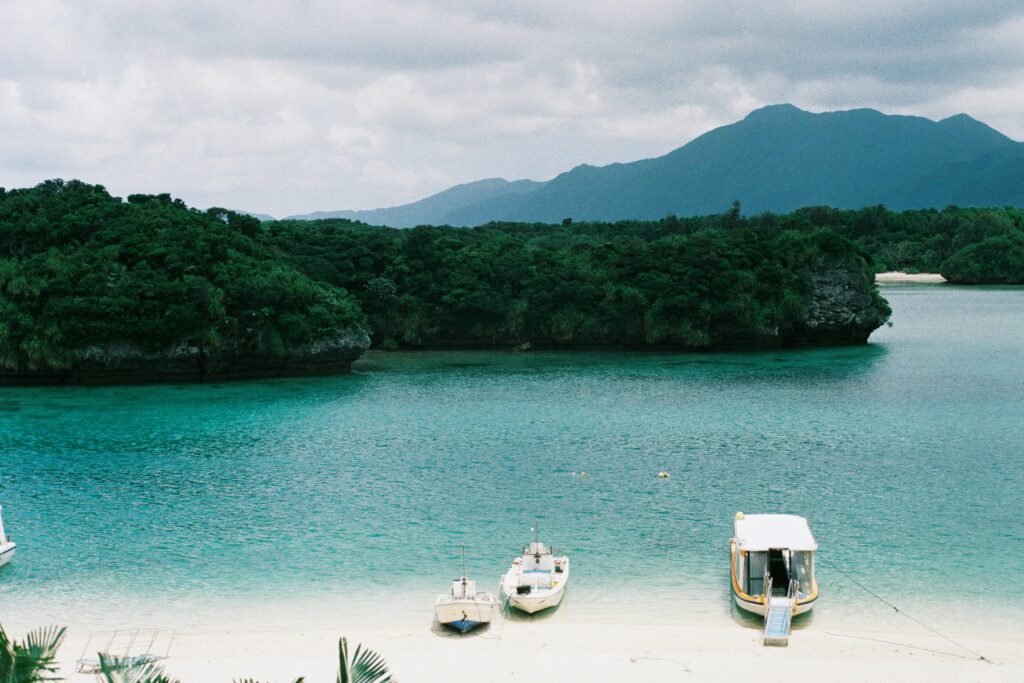
15. Ishigaki – Crystal Clear Waters and Sandy Beaches
Ishigaki Island, renowned for its crystal-clear waters and white sandy beaches, is a tropical paradise that invites relaxation and adventure. While not specifically tied to cherry blossom season, its year-round warm climate makes it an ideal destination for snorkeling, diving, and sunbathing.
The island’s vibrant coral reefs teem with marine life, offering a dazzling underwater world for divers to explore. Above water, Ishigaki’s laid-back atmosphere and rich cultural history provide a refreshing contrast to the more frequented tourist spots in Japan.
Off the Beaten Path – Hidden Gems of Japan
Japan’s lesser-known destinations offer a treasure trove of experiences, from the historic streets lined with gold leaf workshops to the culinary delights of Hida beef.
Discovering these hidden gems, including the majestic Matsumoto Castle and the untouched beauty of national parks, provides an intimate look at Japan’s diverse cultural and natural heritage.
16.Kurashiki – Time Capsule of the Edo Period
With its beautifully preserved Edo-period district, Kurashiki allows visitors to step back in time as they stroll along the historic canal lined with weeping willows and traditional storehouses. While the view of Mount Fuji is not part of Kurashiki’s landscape, the town’s charm lies in its ability to transport one to a bygone era of samurai and merchants.
This picturesque town is not merely a historical artifact but a living community where tradition and modernity coexist. The local museums and craft shops testify to Kurashiki’s dedication to preserving its cultural heritage while embracing contemporary life.
17. Gujo Hachiman – The Water City
Gujo Hachiman, affectionately known as the Water City, is celebrated for its pristine waterways and traditional dance festivals. The town’s historic charm and designation as a UNESCO World Heritage site attract those seeking to experience Japan’s rich cultural tapestry.
The sound of flowing water is a constant companion as visitors meander through the old streets, exploring ancient castles and participating in the town’s famed all-night dance festivals. Gujo Hachiman is a testament to the harmonious relationship between Japan’s cultural practices and natural environment.
18. Onomichi – Seaside Town With Literary Charm
Onomichi, a quaint seaside town, has long been a muse for writers and filmmakers with its labyrinth of narrow lanes and temple-studded hillsides. The town’s literary charm is complemented by its sweeping views of the Seto Inland Sea and its rich tapestry of historical sites.
Visitors can indulge in Onomichi’s famous ramen or embark on the revered Shimanami Kaido cycling route that begins here. Onomichi’s blend of cultural depth and scenic beauty makes it an ideal destination for those looking to experience Japan’s quieter, more reflective side.
19. Yokohama: Seaside City With Modern Attractions and Historical Landmarks
Yokohama, Japan’s second-largest city, offers a dynamic mix of modern attractions and historical landmarks. The city’s bustling waterfront, Minato Mirai, is dotted with innovative architecture and museums, while the historic Chinatown area bursts with colors and flavors.
The seamless blend of Yokohama’s maritime heritage with contemporary culture makes it a standout destination. Whether exploring the serene Sankeien Garden or riding the giant Ferris wheel for panoramic views, Yokohama delivers an eclectic urban adventure steeped in history.
20. Miyajima: Iconic Floating Torii Gate and Scenic Beauty
Miyajima Island is celebrated for its iconic floating torii gate of Itsukushima Shrine, a sight that creates a sense of timelessness and wonder. This spiritual landmark, set against the backdrop of lush mountains and the Seto Inland Sea, draws visitors from across the globe.
While Miyajima’s beauty is undeniable, it also serves as a poignant reminder of the past. Nearby Hiroshima, marked by World War II and the atomic bomb, is home to the Hiroshima Peace Memorial, a site dedicated to remembrance and hope. These destinations offer a profound journey through Japan’s scenic and historical landscapes.
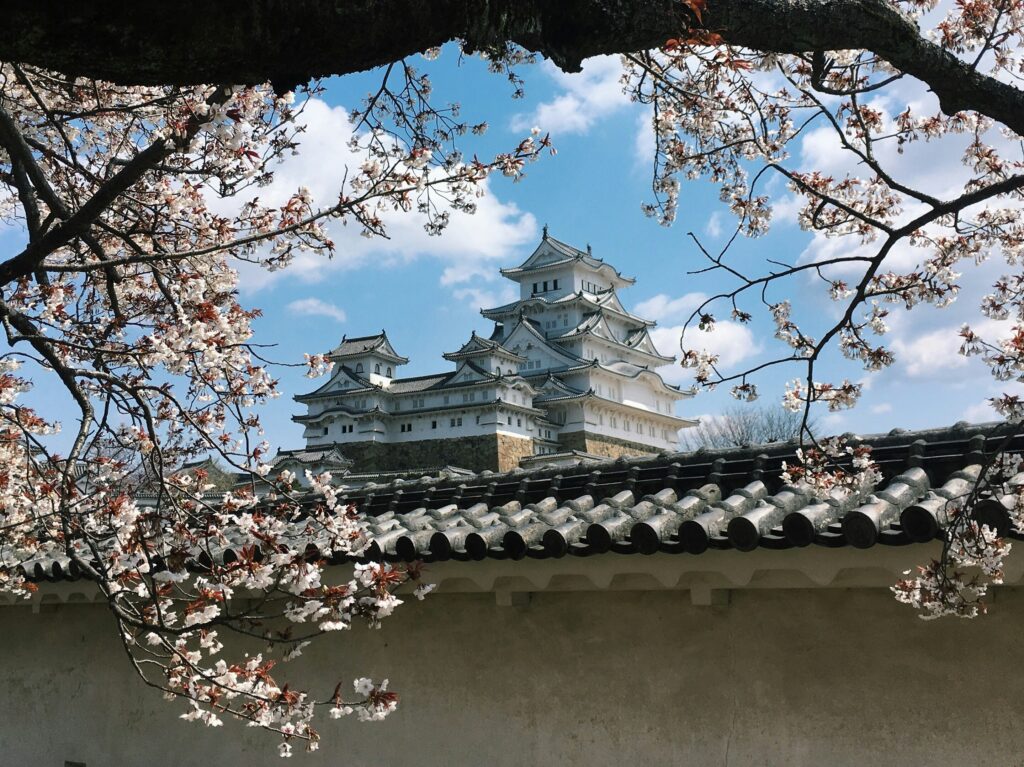
21. Himeji: Majestic White Castle and Gardens
Himeji Castle, also known as “White Heron Castle,” is a stunning example of traditional Japanese architecture. Its brilliant white façade and elegant structure have earned it recognition as a UNESCO World Heritage site.
During the cherry blossom season, visitors are treated to a breathtaking contrast of delicate pink flowers against the castle’s stark white walls, creating a picturesque scene straight out of ancient folklore.
The castle is surrounded by meticulously maintained gardens, which provide a serene backdrop for a stroll. The Koko-en Garden, located next to the castle, consists of nine separate, walled gardens designed in the Edo period. Himeji’s majestic presence and harmonious gardens offer an immersive journey into Japan’s feudal past.
Japan Travel Essentials
Embarking on a trip to Japan is an adventure of a lifetime, and having the right information can make all the difference. Understanding the best times to visit, key transportation tips and cultural etiquette is vital to ensure a seamless experience.
Navigating the transportation system is a crucial part of visiting Japan. The country’s extensive network of trains, buses, and domestic flights efficiently connects even the most remote destinations.
Purchasing a Japan Rail Pass before arrival can provide significant savings and convenience for those exploring multiple cities. Additionally, understanding the basic customs and etiquette will help you embrace the local culture and connect with the people you meet.
Best Time to Visit Japan for Cherry Blossoms and Festivals
The cherry blossom season is a magical time in Japan, with Tokyo and Kyoto being among the most popular destinations to witness this natural spectacle. The blooms typically peak in early April, but planning a visit for 2024 requires monitoring regional forecasts, as the timing can vary.
Festivals and celebrations are abundant during this period, offering visitors a chance to experience Japan’s vibrant cultural traditions alongside the stunning floral displays.
Navigating Japan’s Transportation System Efficiently
Japan’s transportation system is renowned for its punctuality and coverage, allowing travelers to reach destinations with ease. The Japan Rail Pass is a cost-effective solution for those planning extensive travel, providing unlimited rides on most JR lines nationwide.
Major cities like Tokyo boast intricate subway networks, while buses and domestic flights connect more distant locales. To travel efficiently, consider using smart cards like Suica or Pasmo for seamless transit across various modes of transportation.
When taking trains, especially the shinkansen (bullet train), reserve seats in advance to avoid the rush and secure a comfortable journey. Remember to download navigation apps that provide real-time schedules and platform information. These tools are invaluable for maximizing your time and ensuring a smooth trip to Japan.
Japanese Etiquette Tips for First-Time Visitors
For those on their first trip to Japan, understanding local customs and etiquette will enhance your travel experience. It’s important to show respect by bowing slightly when greeting others and to be mindful of your voice volume, especially in public spaces.
Shoes should be removed before entering homes and certain traditional accommodations, so wearing socks without holes is a good practice. When visiting temples and shrines, follow the posted instructions for proper conduct, such as washing hands and mouth at purification fountains.
Tipping is not customary in Japan, so instead, show your appreciation with a polite ‘thank you’ or ‘arigato gozaimasu.’ By observing these simple guidelines, your visit to Japan will be met with warm hospitality and mutual respect.
Japan Travel Resources and Tips
Planning your trip to Japan can be as exciting as the journey, especially when you have the right resources. From learning basic Japanese phrases to understanding cultural norms, preparation is key.
Numerous travel guides, blogs, and apps offer invaluable insights into Japan’s attractions, from the 10 best places to visit to hidden local spots. When visiting Japan, packing smart is essential.
Comfortable walking shoes are a must, as exploring the cities and countryside involves a lot of walking. Additionally, an international power adapter, a portable Wi-Fi router for on-the-go internet access, and a waterproof jacket for unpredictable weather will prepare you for anything your adventure throws your way.
Your Journey Through Japan Begins
As you explore Japan, remember that each moment is an opportunity to create unforgettable memories.
Planning Your Perfect Itinerary
Beyond the cherry blossoms, Japan offers many experiences, from historic landmarks to modern attractions, each worth including in your itinerary. Consider your interests when crafting your trip to Japan.
Are you drawn to the neon lights of Tokyo, the traditional tea houses of Kyoto, or the serene mountain landscapes? Balance your schedule to include a mix of popular tourist destinations and off-the-beaten-path locations. This approach will give you a richer, more diverse perspective of Japan’s multifaceted charm.
Embracing the Unexpected in Japan
Traveling through Japan is a journey filled with surprises. Embrace the unexpected by leaving room in your itinerary for spontaneous discoveries. You might stumble upon a local festival, a hidden alley lined with unique shops, or a quiet temple not mentioned in your guidebook.
These serendipitous moments often lead to the most cherished memories. While exploring, be open to trying new foods, engaging in local customs, and conversing with residents.
The Japanese people are known for their kindness and hospitality, and you’ll find that even simple interactions can add depth to your experience. Being adaptable and open-minded allows Japan’s rich tapestry of culture and beauty to unfold before you in ways you never anticipated.
Discovering Japan’s Best-Kept Secrets
To truly appreciate Japan’s depth, venture beyond the well-trodden paths to uncover the best-kept secrets hidden in its rural towns, mountain villages, and remote islands. These hidden gems reveal the heart and soul of Japan, waiting to be discovered by those who seek them.
Venturing Beyond the Tourist Trail
Exploring beyond the tourist trail allows travelers to experience the authentic essence of Japan. The countryside brims with traditional inns, local cuisine, and artisan workshops that offer a glimpse into the country’s storied past and present.
For instance, the ancient pilgrimage routes of the Kii Peninsula provide a spiritual journey through misty forests and sacred shrines, far removed from the urban rush. Another way to delve deeper into Japan’s culture is by participating in regional festivals and seasonal events.
These occasions offer insight into local customs and present opportunities to meet residents and fellow travelers alike. Whether it’s a summer firework display or a winter snow festival, each event uniquely celebrates Japan’s diverse regional identities.
Engaging With Local Traditions and Crafts
Japan’s rich tapestry of traditions and crafts is a testament to its cultural heritage. Engaging with these practices offers a deeper understanding of the nation’s ethos. In towns like Kanazawa, visitors can partake in gold leaf workshops, while in Okinawa, the art of pottery provides a hands-on experience with the island’s famed Ryukyu ceramics.
Textile enthusiasts may enjoy exploring the intricate world of kimono-making or the indigo dyeing techniques found in regions like Tokushima. These crafts are not just hobbies but are living legacies passed down through generations.
By participating in these traditions, travelers form a tangible connection with Japan’s history and contribute to preserving these age-old practices for future generations.
Conclusion: Japan’s Unforgettable Experiences
The allure of Japan lies in its ability to offer myriad experiences within its shores. The country’s meticulous attention to detail is evident in everything from the presentation of food in restaurants in Tokyo to the artful design of hotels in Tokyo.
Exploring Japan is a journey that rewards the traveler with memories to last a lifetime. From the majesty of the Japanese Alps to the tranquility of an onsen hot spring, every experience is a treasure.
Whether it’s marveling at snow monkeys in Jigokudani Monkey Park, wandering through historic Japanese cities, or being awed by the grandeur of Kanazawa Castle, the moments spent in Japan are unforgettable.
Each adventure adds to the tapestry of memories in the heart of Gifu Prefecture or on a ferry ride to a remote island. And for those with a taste for the exquisite, dining in Michelin-starred restaurants offers a culinary experience true to the spirit of this populous country’s rich and varied offerings.
This dedication to excellence makes Japan an endlessly fascinating destination for travelers from all corners of the globe.

I’m Kai, a 28-year-old digital nomad, fueled by a love for photography and storytelling. Roaming Japan’s cities and countryside, especially in the vibrant spring season, I immerse myself in the rich culture and traditions. I share my adventures and insights, offering a firsthand perspective for fellow travelers and Japan enthusiasts alike. Let’s explore Japan together, sans the unnecessary frills.