
Table of Contents
Japan is famous for its blend of tradition and innovation, a country where ancient shrines stand alongside cutting-edge technology. For those planning a visit, understanding the nuances of this unique culture is key. With 11 tips to guide you, traveling to Japan can be an enriching experience that goes beyond the usual tourist path.
This guide offers a comprehensive overview of essential knowledge. You’ll discover the intricacies of planning your trip, from visa requirements to cultural etiquette. With these insights, you’ll be well-equipped to explore the wonders of Japan, whether in bustling cities or serene rural areas.
Essential Preparations for Your Japanese Adventure
Before setting foot in Japan, it’s crucial to grasp the basics. To fully enjoy the tourist attractions, familiarize yourself with cultural nuances and practical tips, ensuring a respectful and enjoyable visit.
Determine the Optimal Time for Your Visit
Timing is crucial when planning your trip to Japan. Public transport, including hotel rooms in Japan, can be heavily booked during peak seasons like cherry blossom and autumn foliage periods. Knowing the local events and climate can help you avoid crowded Buddhist temples and ensure a more pleasant travel experience.
Weather patterns and local festivals significantly influence the travel experience in Japan. Consider your interests and comfort when deciding on the optimal time for your visit, keeping in mind that hotel rooms in Japan can be scarce during popular times, so book early to secure your stay.
The Significance of Carrying Cash in Japan
While Japan is modern in many ways, cash is king in Japan, especially when it comes to smaller restaurants and shops. It’s important to have enough Japanese yen on hand, as not all places accept credit cards, and you may need to withdraw cash from ATMs that are compatible with international cards.
Understanding the importance of cash in Japan will save you from potential inconveniences. Always keep some Japanese yen with you, as you may find that not all places can process card payments, and you’ll need cash to fully enjoy the local cuisine and shopping experiences.
Accommodation Essentials: Booking Ahead
During peak travel seasons in Japan, securing accommodations can be challenging. To avoid the stress of last-minute searching, plan and book your stay well in advance. This ensures you have a place to rest and recharge after a day of exploration.
With events like cherry blossom season drawing in visitors, hotel availability can become scarce. Booking your accommodation early can prevent any disruptions to your journey, especially during peak travel times when demand is at its highest.
Navigating Visa Requirements and Travel Insurance
Understanding Japan’s visa requirements is an essential step in your travel preparations. Depending on your nationality, a tourist visa may be necessary for entry. Additionally, securing travel insurance is not just prudent; it’s a safeguard against unforeseen circumstances that could disrupt your trip.
Do not overlook the importance of travel insurance when planning your visit to Japan. It can provide peace of mind, covering potential medical emergencies or trip cancellations, ensuring that you can focus on enjoying your Japan adventure.
Navigating Transportation and Connectivity
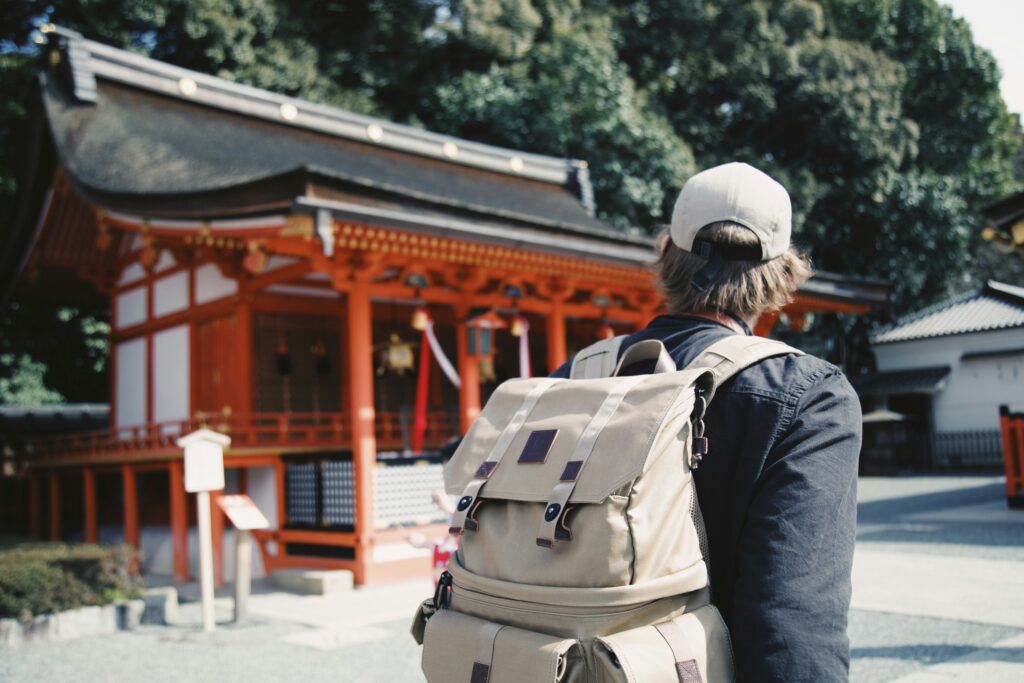
Efficient transportation is vital in cities like Kyoto, where the blend of historic sites and modern life demands seamless connectivity. Understanding the local transit systems and having access to reliable communication tools can significantly enhance your travel experience in Japan.
Debating the Japan Rail Pass Purchase
The Japan Rail Pass offers unlimited travel on many trains across the country and can be a cost-effective option for those spending weeks in Japan. However, it’s essential to plan your itinerary as it does not cover some services like the Tokyo subway and Nozomi trains.
For tourists, the Japan Rail Pass can be a valuable purchase, but it’s crucial to assess your travel needs. If you’re moving between cities frequently, the pass could save you money. However, remember to compare the costs and consider additional cards for local transport that may not be included.
The Lifeline of Pocket Wi-Fi and Local SIM Cards
In today’s connected world, having internet access is essential for travel in Japan. A pocket wifi can be a lifeline in public spaces, while a data-heavy SIM card ensures you can use Google Maps and other services without facing exorbitant prices.
Before visiting Japan, securing a pocket wifi or local SIM card will save you from connectivity issues. With these tools, you can navigate the streets, translate signs, and research destinations on the go, making your travel in Japan smooth and hassle-free.
Getting Around: Public Transportation and IC Cards
Public transportation in cities like Kyoto is efficient and reliable, with IC cards offering a convenient way to pay for train travel. When planning trips to landmarks like Fushimi Inari, ensure you have the correct tickets for the Shinkansen and local lines to avoid delays.
Understanding the public transit system is key to a seamless experience. IC cards simplify the process of hopping on and off trains, and with the right tickets for the Shinkansen, you can explore the breadth of Japan, from the bustling streets of Tokyo to the serene paths of Fushimi Inari.
Cultural Insights and Etiquette
Navigating Japanese etiquette is fundamental for a respectful and immersive travel experience. From interpersonal interactions to public behavior, being aware of cultural norms can enhance your connection with the local community and enrich your journey in Japan.
Learning Basic Japanese Phrases and Etiquette
The language barrier in Japan can be mitigated by learning essential Japanese words and phrases. Simple greetings and polite expressions will go a long way as you travel around Japan, and understanding basic etiquette can open doors to more meaningful interactions with locals.
Equipping yourself with Japanese phrases before traveling can bridge the gap created by the language barrier. This knowledge not only shows respect for the culture but also eases daily interactions, whether you’re asking for directions, making a purchase, or expressing gratitude.
Understanding and Respecting Local Customs
Respecting local customs is crucial to avoid cultural faux pas that could offend hosts or fellow travelers. Japan’s social norms often differ significantly from those in other countries, and awareness of these differences is a sign of respect and willingness to engage with the culture authentically.
From taking off shoes when entering certain spaces to proper behavior in temples, understanding local customs is key to a harmonious visit. Being mindful of these nuances can prevent unintentional faux pas and ensure a more authentic and respectful experience in Japan.
Dining Do’s and Don’ts in Japan
Japanese dining etiquette is an art form in itself, and knowing the do’s and don’ts is essential before traveling to Japan. Observing these dining customs not only enhances your culinary experience but also demonstrates respect for the local culture and traditions.
Whether you’re enjoying sushi at a counter or attending a formal kaiseki meal, the nuances of Japanese dining etiquette play a significant role in the overall experience. Adhering to these guidelines can leave a positive impression and make your meals more enjoyable.
Maximizing Your Experience in Japan
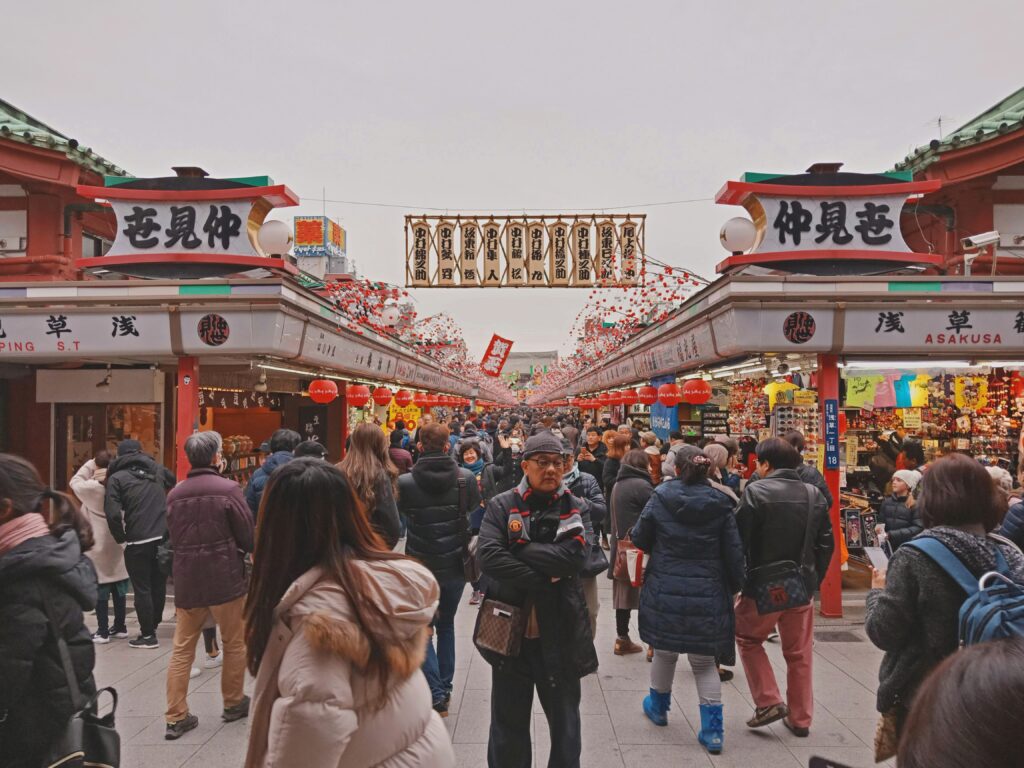
To truly maximize your experience in Japan, a well-crafted Japan itinerary is key. It allows you to explore the country’s rich culture, history, and modernity, balancing well-known attractions with hidden gems.
Discovering Japan Beyond the Tourist Trail
Contrary to popular belief, there’s much more to Japan than the hustle of its bustling cities and the serenity of cherry blossom season. Adventurous travelers can enhance their travel to Japan by venturing off the beaten path to explore rural landscapes, hidden valleys, and coastal towns. Securing Japan rail passes can provide the freedom to hop on and off at will, discovering towns and attractions that are not on every tourist’s map.
When planning train tickets, flexibility is key. While it’s wise to book certain legs of your journey during peak travel times, leaving room in your schedule for impromptu stops can lead to some of the most memorable experiences. Whether it’s a local festival or a scenic train route, these hidden gems often provide a more authentic glimpse into Japanese life and culture.
Engaging With Traditional and Modern Japanese Experiences
In planning a trip to Japan, it’s essential to immerse oneself in both the traditional and modern aspects of its culture. Experiencing the quiet comfort of tatami mats in a ryokan, participating in a traditional tea ceremony, or witnessing the delicate fall of cherry blossoms can provide a profound sense of connection to the nation’s heritage. Meanwhile, a ride on one of the bullet trains symbolizes the technological prowess that coexists with these age-old traditions.
Japan travel tips often emphasize experiencing local traditions, but they also encourage visitors to embrace the country’s innovation. From the latest gadgets in Akihabara to contemporary art installations, the blend of old and new is what makes Japan’s experiences so unique. Striking a balance between these worlds will ensure a comprehensive and enriching travel experience.
Practical Tips for Daily Life in Japan
Before traveling to Japan, it’s crucial to consider the practicalities of daily life to ensure a comfortable and hassle-free experience.
Packing Smart: Essentials and What to Leave Behind
Smart packing involves a careful selection of both essentials and what to leave at home. Japan’s bars and restaurants, for example, often provide patrons with items like toothpicks and wet towels, so there’s no need to pack these. However, bringing a power bank for your devices and comfortable walking shoes is advisable as you’ll likely spend much time exploring on foot. Remember to leave room in your luggage for souvenirs and unique finds from your travels.
It’s also wise to consider the cultural norms and dress codes when packing for Japan. While casual wear is acceptable in most places, some upscale dining establishments and temples may require a more conservative approach.
Additionally, considering the seasonal weather can help in choosing the right clothing. Layers are always a good idea, as they offer flexibility for both indoor and outdoor environments.
Convenience Store Wonders: Your Go-To for Essentials
When packing for Japan, it’s useful to know that convenience stores in Japan are a treasure trove of essentials and unexpected delights. These stores are not only ubiquitous but also stock a wide range of products from snacks and beverages to toiletries and basic clothing items. They can be a lifesaver when you need something unexpectedly or when other shops are closed.
Additionally, many convenience stores have ATMs, which are handy for withdrawing cash, a necessity in many smaller establishments and shopping malls. With their 24/7 operation and English-speaking staff, these stores are an invaluable resource for travelers in need of assistance or a quick bite to eat at any hour.
Being Mindful of Japanese Recycling and Waste Disposal
Japan is known for its cleanliness and stringent waste disposal and recycling practices, especially in rural areas where rules can be even stricter. Tourist attractions will often have separate bins for burnable and non-burnable items, and it’s essential to follow these guidelines to respect the local environment. Learning a few words such as “thank you” in Japanese can also go a long way when asking for help in disposing of waste properly.
The language is not widely spoken in all areas, so gestures and showing respect through actions become even more important. Being mindful of these practices shows respect for Japanese society and helps maintain the beauty of the places you visit. Plus, most locals appreciate the effort put into adhering to their customs, even if it’s just a simple nod of acknowledgment or a properly sorted trash bag.
Addressing Health and Safety Concerns
One of the many things about Iapan that reassure travelers is its reputation as one of the safest countries in the world. However, staying informed and prepared is still essential for any journey.
The Importance of Travel Insurance
No matter how safe a destination may be, unexpected events like lost luggage or a sudden illness can disrupt a trip. Therefore, securing comprehensive travel insurance before departure is a wise decision. It provides peace of mind and can save a significant amount of money and stress in case of an emergency. Make sure your policy covers any specific activities you plan to undertake and any oversized luggage you might be bringing along.
Not all travel insurance is created equal, so it’s important to read the fine print and ensure that you’re covered for the basics as well as any extra activities like adventure sports or high-risk areas. Insurance can also assist with smaller but still frustrating travel issues, such as flight cancellations or delays, ensuring that you’re not out of pocket for situations beyond your control.
Tattoos and Public Perception in Japan
In Japan, tattoos have historically been associated with the yakuza, leading to a lingering stigma in certain parts of society. As a result, individuals with visible tattoos may encounter restrictions at some public baths and swimming pools, where tattoos are often prohibited. If you have tattoos, it’s advisable to research such policies beforehand or be prepared to cover them up as a sign of respect for local customs.
However, attitudes are slowly changing, especially in urban areas and among the younger generation. Some establishments now offer stickers to cover small tattoos, and others are becoming more lenient as they cater to an international clientele. Being aware of these perceptions and prepared to adapt is part of being a considerate visitor and can prevent any uncomfortable situations.
Public Health Etiquette: Quietly in Public Spaces
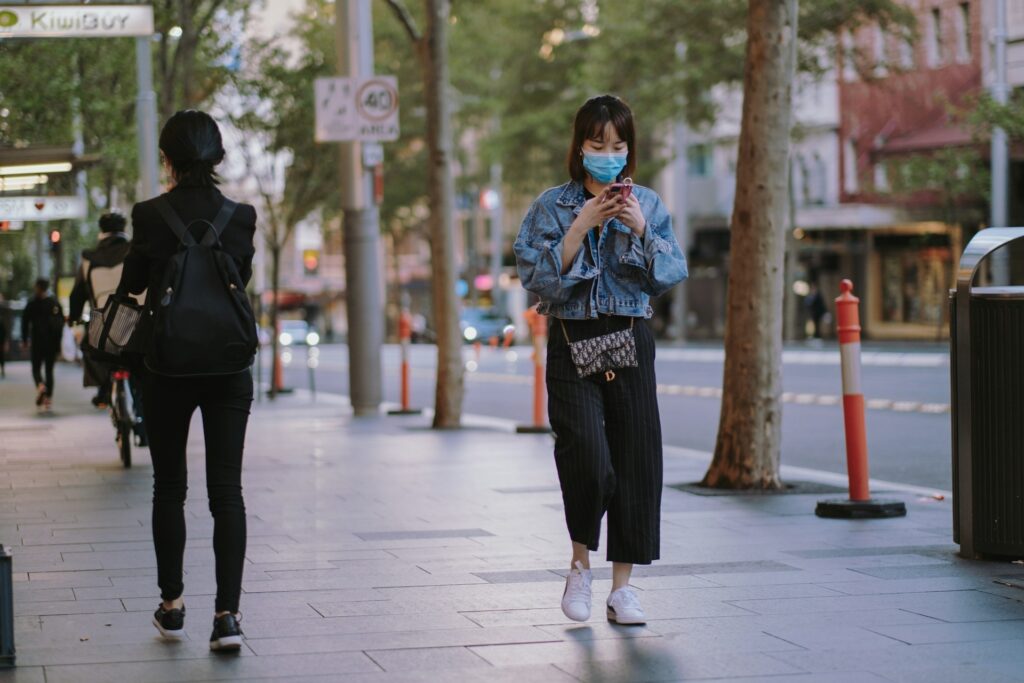
Riding the metro in Japan is an exercise of communal respect and silence, reflecting the values of Japanese society. Conversations are kept to a whisper, and phone calls are discouraged. This public health etiquette extends to other areas too, such as waiting rooms and restaurants. Observing and adhering to these unspoken rules is a sign of respect and helps ensure a pleasant environment for everyone.
While it may seem like a small thing, the quiet atmosphere in public spaces contributes significantly to the overall harmony and efficiency for which Japan is known. It’s an aspect of cultural practice that, once embraced, can be quite refreshing and is appreciated by locals and visitors alike. Simple actions like silencing your phone and speaking softly can help maintain this tranquility.
Experiencing the Quieter Aspects of Japan
Before traveling to Japan, many envision bustling cities and neon lights, but the country also offers tranquil retreats. Seeking out the quieter aspects of Japan can provide balance to an itinerary filled with urban exploration, offering moments of reflection and relaxation amid the natural beauty and cultural depth of the country.
The Tranquility of Onsens and Temples
Japan’s onsens, or hot springs, are a cornerstone of relaxation and tranquility. These natural spas, often found in picturesque settings, offer a serene escape from the fast pace of travel. The ritual of bathing in a Japanese onsen, with its emphasis on cleanliness and etiquette, is a rejuvenating experience for both body and mind.
Similarly, the serenity of Japan’s temples provides a spiritual reprieve. These sacred sites are not only architectural marvels but also places of deep cultural significance. Visitors are invited to take part in traditional practices such as making offerings or participating in meditation sessions, often leading to a profound sense of peace and introspection.
Troubleshooting and Support While in Japan
Exploring off-the-beaten-path destinations can be rewarding, but it’s important to be aware of challenges like indoor smoking regulations and weather patterns like typhoon season in Japan.
Overcoming the Language Barrier With Helpful Apps
The language barrier can be one of the most daunting aspects of travel in Japan, with Japanese phrases not always being intuitive to non-native speakers. However, technology offers a bridge over this gap with various apps designed to translate and facilitate communication. These tools can be indispensable when asking for directions, ordering food, or engaging in simple conversations with locals.
While learning some basic Japanese phrases is highly recommended, these apps can help fill in the gaps and ease interactions in everyday situations. They can also be a source of confidence for travelers, making it easier to navigate new environments and connect with Japanese culture on a deeper level. Always have a translation app handy to ensure smooth communication throughout your travels.
Accessing Funds: ATMs and Money Exchange Tips
When traveling to Japan, one crucial aspect to consider is how to access funds. ATMs are widely available, but it’s essential to know that not all accept foreign cards. Post offices and 7-Eleven stores are reliable spots for international withdrawals. Another tip before you travel is to inform your bank of your plans to avoid any blocked transactions. Carrying a travel money card can be a convenient alternative, offering the flexibility of preloading yen and typically lower withdrawal fees.
For exchanging currency, aim to do so at major banks or authorized money exchange outlets for competitive rates. Japanese etiquette tips include having small denominations for seamless transactions and being discreet when counting cash in public. Using apps like Google Translate can assist with any language barriers during these exchanges, ensuring a smoother experience while banking in Japan.
Savoring Japanese Cuisine
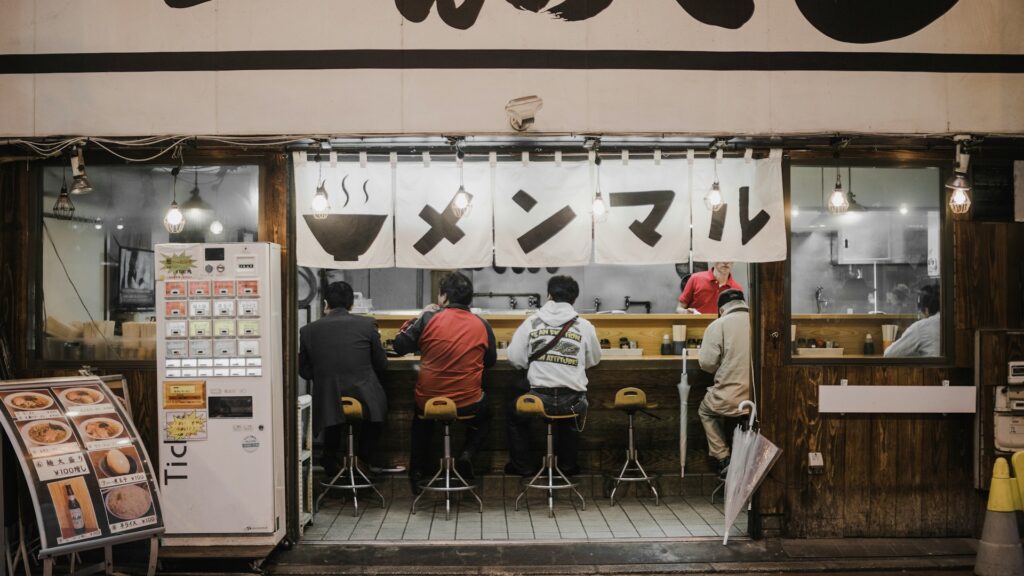
Japanese cuisine is a delightful experience, rich in variety and tradition. While English isn’t widely spoken in some dining establishments, picture menus and plastic food models make ordering simpler. Enjoying the local food is an integral part of any Japanese adventure, so don’t hesitate to dive into the culinary wonders that await you.
Culinary Adventures: Trying All the Japanese Food
Japan is a culinary paradise, and trying all the Japanese food available is a journey in itself. Street food vendors offer tantalizing Takoyaki (octopus balls) and Yakitori (grilled chicken skewers), perfect for on-the-go snacking. For a quintessential experience, visit a conveyor belt sushi restaurant where fresh nigiri and rolls make their rounds for diners to choose at will.
Don’t miss out on regional specialties like Hokkaido’s creamy ramen or Okinawa’s savory Goya Champuru (bitter melon stir-fry). Participating in a traditional tea ceremony offers insight into the ritualistic preparation of matcha, which is an experience that goes beyond mere taste to encompass a deeper cultural understanding.
The World Beyond Matcha: Exploring Japanese Beverages
While matcha may be the king of Japanese tea culture, the beverage landscape in Japan is rich and varied. Sake, the traditional rice wine, comes in an array of flavors, from sweet to dry, and can be enjoyed warm or chilled. Beer enthusiasts will appreciate Japan’s crisp lagers, with local breweries often offering tours and tastings.
Non-alcoholic options are just as diverse, with vending machines on nearly every corner offering an eclectic mix of soft drinks, from the classic Ramune to unique seasonal flavors. Cafés serve up artful lattes alongside traditional Japanese teas, ensuring that every thirst can be quenched with a unique Japanese twist.
Final Thoughts
As your journey in Japan concludes, remember to reflect on the diverse experiences. Appreciate the clean country, and recall the small cultural nuances. While you pack your memories alongside your belongings, don’t forget the unique blend of tradition and innovation that makes Japan an unforgettable destination.

I’m Kai, a 28-year-old digital nomad, fueled by a love for photography and storytelling. Roaming Japan’s cities and countryside, especially in the vibrant spring season, I immerse myself in the rich culture and traditions. I share my adventures and insights, offering a firsthand perspective for fellow travelers and Japan enthusiasts alike. Let’s explore Japan together, sans the unnecessary frills.


