Table of Contents
When one thinks of Japanese cuisine, a steaming bowl of ramen often comes to mind, evoking images of rich broth and springy noodles. Yet, the origins of this dish spark curiosity and debate. Is ramen a culinary import or a Japanese original? This question piques the interest of food enthusiasts around the globe.
This article dives into the journey of ramen from its cross-cultural beginnings to its status as a global staple. Discover the evolution of this beloved dish and explore its significance in Japanese culture today.
The Historical Journey of Ramen
The journey of ramen is woven through time, tracing back to its ancestral roots and following its transformation into a cornerstone of Japanese cuisine.
Cross-Cultural Beginnings and the Chinese Influence
Ramen’s story begins with a cross-cultural twist, rooted in Chinese cuisine. The dish’s foundation lies in wheat flour and the art of noodle-making, which migrated from China to Japan. The harmonious blend of these noodles with Japanese flavors marks the beginning of ramen’s journey.
The soup stock, infused with ingredients from both cultures, became the soul of the dish, reflecting a shared culinary history. This fusion set the stage for ramen to evolve within the unique context of Japan’s local tastes and ingredients.
The Postwar Era and Ramen’s Rise in Popularity
Following World War II, Japan faced a transformation in its food landscape. Wheat flour, supplied by the United States, became abundant, leading to a proliferation of dishes consisting of noodles. Ramen, with its comforting warmth and versatility, began to take hold in the nation’s heart.
Ramen vendors and their ramen Yatai became a common sight, serving as outdoor food spots where people from all walks of life gathered for a quick, satisfying meal. This era marked the cementing of ramen’s place in Japanese food culture, as it became synonymous with accessibility and flavor.
Ramen in Contemporary Cuisine
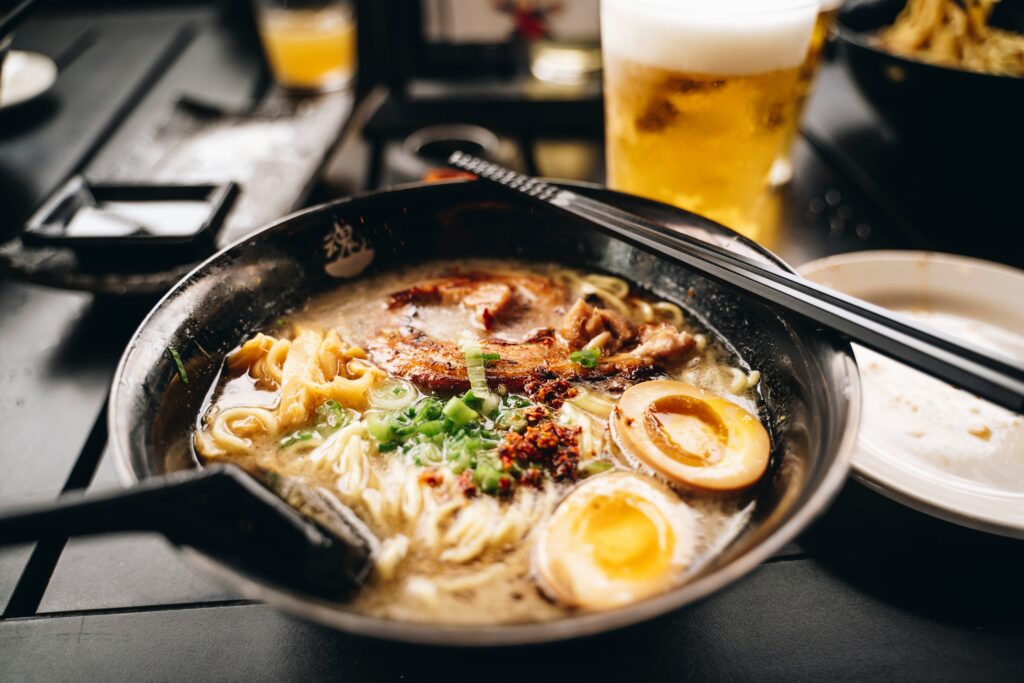
Now a staple of contemporary cuisine, ramen reflects the dynamism of modern culinary practices while staying true to its classic appeal and flavors.
Ramen Goes Global: From Japanese Streets to Worldwide Phenomenon
Ramen’s journey from the bustling streets of Japan to the global stage is a testament to its universal appeal. Initially, as Japanese expatriates opened restaurants abroad, the dish began to capture the hearts of diners worldwide.
In the United States, ramen found a new home, often in the kitchens of Chinese restaurants that adapted the dish to suit local tastes. This adaptability and the universal craving for comfort food propelled ramen to international stardom.
The Birth of Ramen Celebrity Chefs and Their Impact
The culinary world saw the rise of ramen celebrity chefs, who elevated the dish from humble beginnings to gourmet status. These chefs experimented with ingredients and techniques, adding depth and prestige to the ramen experience.
Through innovation and a commitment to quality, these chefs not only influenced ramen’s evolution but also inspired a new generation of cooks and food lovers to explore the complexities of this seemingly simple dish.
The Anatomy of Ramen
Understanding ramen’s anatomy is key to appreciating its depth, from the nuanced broth to the carefully crafted noodles that make each bowl a culinary adventure.
Ramen Broth: A Flavorful Foundation
The broth of ramen is its soul, a complex concoction that can take hours, sometimes days, to perfect. While dried ramen noodles offer convenience, they also bring unique characteristics to the broth, absorbing flavors and adding their texture to the mix. The broth’s quality sets the standard for the entire ramen experience.
Ramen Noodles: More Than Just Wheat
While wheat is the primary ingredient, ramen noodles are more than just strands of dough. The texture, elasticity, and taste vary, with curly noodles offering a different mouthfeel compared to straight noodles.
These noodles are crafted with precision, ensuring that they not only hold up in the broth but also complement it, creating a harmonious interplay between the two main components of the dish.
Toppings and Varieties: The Signatures of Ramen
Ramen dishes are distinguished by their toppings and regional varieties, each adding a distinctive flair to the classic bowl.
The Diversity of Ramen Toppings
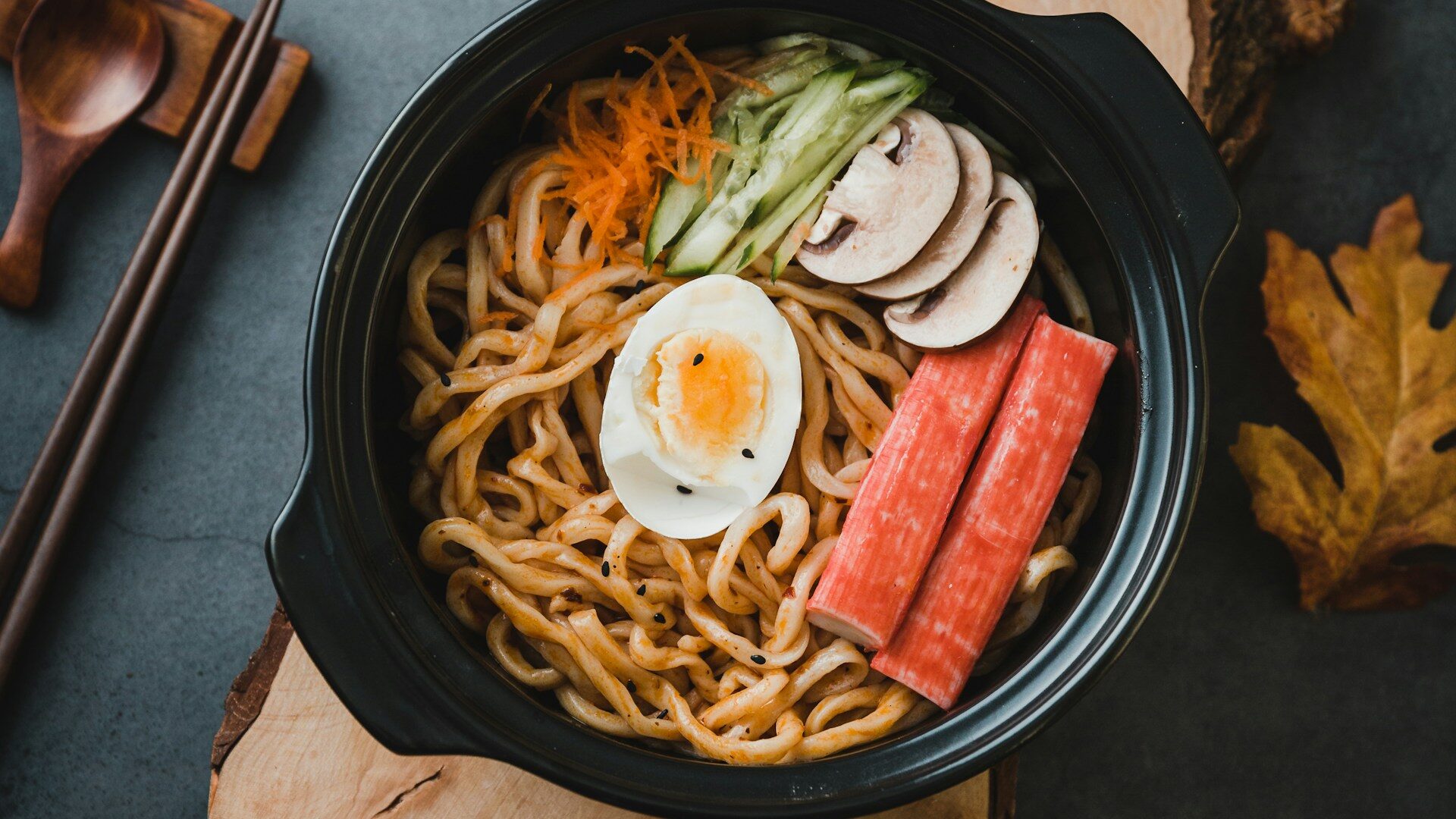
The diversity of ramen toppings is boundless, with options ranging from the traditional soft-boiled egg to adventurous flavor combinations. These toppings enhance the dish, offering contrasting textures and flavors.
Each bowl tells a story of its origin, with regional varieties of ramen dishes reflecting local ingredients and culinary preferences. This diversity allows ramen to continually reinvent itself, satisfying an array of palates.
Instant Gratification: The Instant Ramen Revolution
The latter half of the 20th century witnessed a revolution in ramen consumption with the advent of instant ramen, changing the way people around the world enjoyed this dish.
From Homemade to Instant: The Convenience of Ramen in Modern Times
The transition from homemade to instant ramen heralded a new era of convenience. Busy lifestyles and the need for quick, satisfying meals led to the creation of various types of instant ramen.
These varieties of ramen cater to a wide audience, offering a range of flavors and styles that can be prepared in minutes. Despite their convenience, they evoke the essence of traditional ramen, making it accessible to all.
Instant Ramen vs Traditional Ramen: A Comparative Glance
Instant ramen and traditional ramen offer vastly different experiences. Momofuku Ando, the founder of Nissin Foods, revolutionized the dish in Japan by creating Chicken Ramen, the first packet of instant noodles. These convenient meals contrast with fresh ramen noodles that are typically served in a rich broth flavored with ingredients like miso or pork. While instant ramen is a quick fix, often just requiring hot water, it lacks the depth of traditional ramen broths, such as Tonkotsu ramen’s creamy pork broth, which is simmered for hours.
Traditional ramen also boasts regional variations and a multitude of toppings like sliced meat, green onions, and bean sprouts, seasoned with salt, soy sauce, or miso. These elements are usually absent or simplified in instant versions. Hakata ramen from the Fukuoka region, known for its Tonkotsu broth and thin noodles, encapsulates the diversity and richness that instant ramen cannot fully replicate, despite the convenience and global popularity it has gained since it first appeared in Japan.
Ramen Etiquette and Cultural Significance
Ramen is deeply embedded in Japanese culture, not just as a market food but as a social experience. Ramen etiquette reflects its significance and the respect for the culinary craftsmanship behind each bowl of ramen.
The Art of Slurping: Ramen Etiquette in Japan
In Japan, slurping noodles is not rude but a sign of enjoying the meal. It is believed that slurping enhances the flavors and helps cool down the hot broth. A bowl of ramen served at ramen restaurants invites this practice, signaling appreciation for the dish. Slurping is part of the ramen experience, and it’s a common sound in any ramen eatery, resonating with the cultural acceptance of this dining manner.
While foreigners may find this custom unusual, it is an integral part of how to eat ramen in Japan, reflecting a cultural embrace of the meal’s sensory aspects. It is a sign of satisfaction, and chefs often take pride in hearing their patrons noisily enjoying their ramen, which is typically made with a broth from simmering chicken bones and other ingredients for hours on end.
Ramen as a Cultural Icon: Its Place in Japanese Society
Ramen has transcended being just a dish in Japan to become a cultural icon. From humble beginnings served by Chinese immigrants, it has evolved into a culinary symbol with a strong identity. Each bowl represents a story of flavors, traditions, and the Japanese ethos of meticulous preparation. Ramen stalls have become social hubs where people from all walks of life gather to indulge in this beloved comfort food.
The reach of ramen extends beyond the ramen stalls and into popular media, reflecting its status in society. From dedicated ramen museums to its presence in anime and movies, ramen is celebrated across various platforms, further solidifying its role as a cultural staple. It is a dish that embodies Japan’s innovative spirit and its capacity to adapt and refine foreign influences into something uniquely Japanese.

Crafting Ramen at Home
Making ramen at home can be a delightful experience, offering a taste of Japan’s culinary art in one’s kitchen. With the availability of ingredients like fresh ramen noodles and various broths, enthusiasts can recreate the authentic flavors that characterize this iconic dish. The process allows for personalization and experimentation, inviting home cooks to engage with a cornerstone of Japanese cuisine.
Simple Steps to Prepare Homemade Ramen
Preparing homemade ramen begins with selecting a base broth, such as Miso ramen’s soybean paste or Shio ramen seasoned with salt. The broth is the flavor foundation and can range from simple chicken soup to complex Tonkotsu broth. Next, choose the type of noodles, whether curly noodles for Sapporo ramen or straight noodles for Hakata ramen and cook them to the desired firmness.
Then, assemble the toppings: slices of roast pork or chicken, green onions, and possibly bean sprouts for a fresh crunch. Layer these ingredients in a bowl, pour the hot broth over, and your homemade ramen is ready to be enjoyed. This process allows one to appreciate the nuances of ramen and brings the joy of ramen restaurants into the home kitchen.
The Ramen Experience: More Than Just a Bowl of Noodles
The ramen experience is about more than just food; it’s a journey through taste, culture, and innovation. Whether it’s a quick bowl of instant noodles or a meticulously crafted serving of traditional ramen, each bowl offers a window into Japanese life. The dish’s versatility and global appeal underscore its status as a culinary phenomenon, reaching far beyond its origins in Yokohama Chinatown.
Concluding Thoughts
In the end, ramen is a reflection of Japan’s history and its cultural evolution since the Meiji Restoration. Each bowl tells a story, connecting past and present, and inviting everyone to partake in its savory legacy.

I’m Kai, a 28-year-old digital nomad, fueled by a love for photography and storytelling. Roaming Japan’s cities and countryside, especially in the vibrant spring season, I immerse myself in the rich culture and traditions. I share my adventures and insights, offering a firsthand perspective for fellow travelers and Japan enthusiasts alike. Let’s explore Japan together, sans the unnecessary frills.