Table of Contents
Miso ramen is a beloved Japanese dish that has captured the hearts of food enthusiasts worldwide. It consists of a rich, flavorful broth, perfectly cooked noodles, and a variety of toppings that add texture and taste. Its depth of flavor and comforting nature make it a must-try for anyone seeking a culinary adventure.
In this guide, we’ll explore the ingredients that make miso ramen unique, such as miso paste and umami flavor, and offer guidance on how to create this Japanese delicacy at home. Furthermore, you’ll learn everything needed to craft the perfect bowl of miso ramen at home!
The Essence of Miso Ramen
Miso ramen stands out for its rich, complex broth that marries 1 cup of robust miso paste with a blend of aromatic ingredients, creating an unmistakable umami flavor. This dish not only satisfies the palate but also offers a comforting embrace with each spoonful. The miso base, a traditional Japanese seasoning, is the cornerstone of this dish, providing a depth and warmth that is both invigorating and soothing.
The Role of Miso Paste in Ramen
Miso paste is more than just a flavor enhancer in ramen; it’s the soul of miso ramen, bringing with it a profound umami flavor and a distinct character to the broth.
Types of Miso Used in Ramen
The umami flavor in miso ramen can vary depending on the type of miso used, ranging from the mild and sweet white miso to the more robust and salty red miso, each contributing its unique flavor profile to the dish.
The Health Benefits of Miso
Miso, a fermented soybean paste, is celebrated not only for its flavor but also for its health benefits, including aiding digestion and providing a source of beneficial probiotics.
Crafting the Perfect Bowl
To craft the perfect bowl of miso ramen, balance is key. You’ll need a perfect blend of 1 tbsp miso paste, 2 tbsp chili oil, and thinly sliced ingredients simmered for 30 minutes to achieve an al dente noodle texture and soft-boiled eggs cooked for 20 minutes. Sweet corn, sliced green onions, and a base of 8 cups vegetable broth round out the flavor profile, while toasted sesame seeds add a final touch.
• Miso Tare
The essence of the ramen‘s flavor lies in the miso tare, a concentrated sauce where 1 teaspoon of miso paste is combined with a teaspoon of sesame oil, creating a rich and aromatic base for the broth.
• 3 Crucial Elements for a Balanced Broth
A balanced miso ramen broth hinges on the right combination of savory miso paste, a flavorful stock base, and aromatic ingredients like garlic and green onions, all simmered to perfection.
• Noodles: Fresh vs Dried Options
Fresh ramen noodles, often found in the refrigerated section of Asian grocery stores, are the favorite ramen choice for their superior texture, but dried options can also be used for convenience.
Step-By-Step Preparation
Preparing miso ramen requires careful attention to detail and an understanding of how to layer flavors for the most satisfying bowl.
1. How to Build Flavor Layers in Your Broth
Building flavor layers in miso ramen starts with a base of stock, followed by the addition of miso paste and other seasonings, simmered to allow each ingredient to infuse the broth with its unique essence.
The complexity of the broth is further enhanced by incorporating aromatic vegetables and simmering them to release their full flavor potential, creating a foundation that complements the miso’s richness.
2. Noodle Mastery: Cooking Techniques for the Perfect Slurp
Mastering noodle cooking techniques is crucial for the perfect slurp; noodles should be cooked al dente to maintain texture and better absorb the flavorful broth.
Whether using fresh or dried ramen noodles, the goal is to achieve a balance between firmness and tenderness, ensuring each bite is as satisfying as the last.
3. Assembling Your Miso Ramen Bowl
Assembling your miso ramen bowl is an art, starting with a foundation of flavorful broth and perfectly cooked noodles, followed by a careful arrangement of toppings for a visually appealing and tasty experience.
Recipes for miso ramen allow for personalization, encouraging you to layer ingredients according to taste and preference, creating a dish that is uniquely yours.
Toppings and Variations
Miso ramen can be customized with a variety of toppings, from chili paste for heat to pickled red ginger for a tangy contrast, offering endless possibilities for experimentation and flavor.
Classic Toppings for Miso Ramen
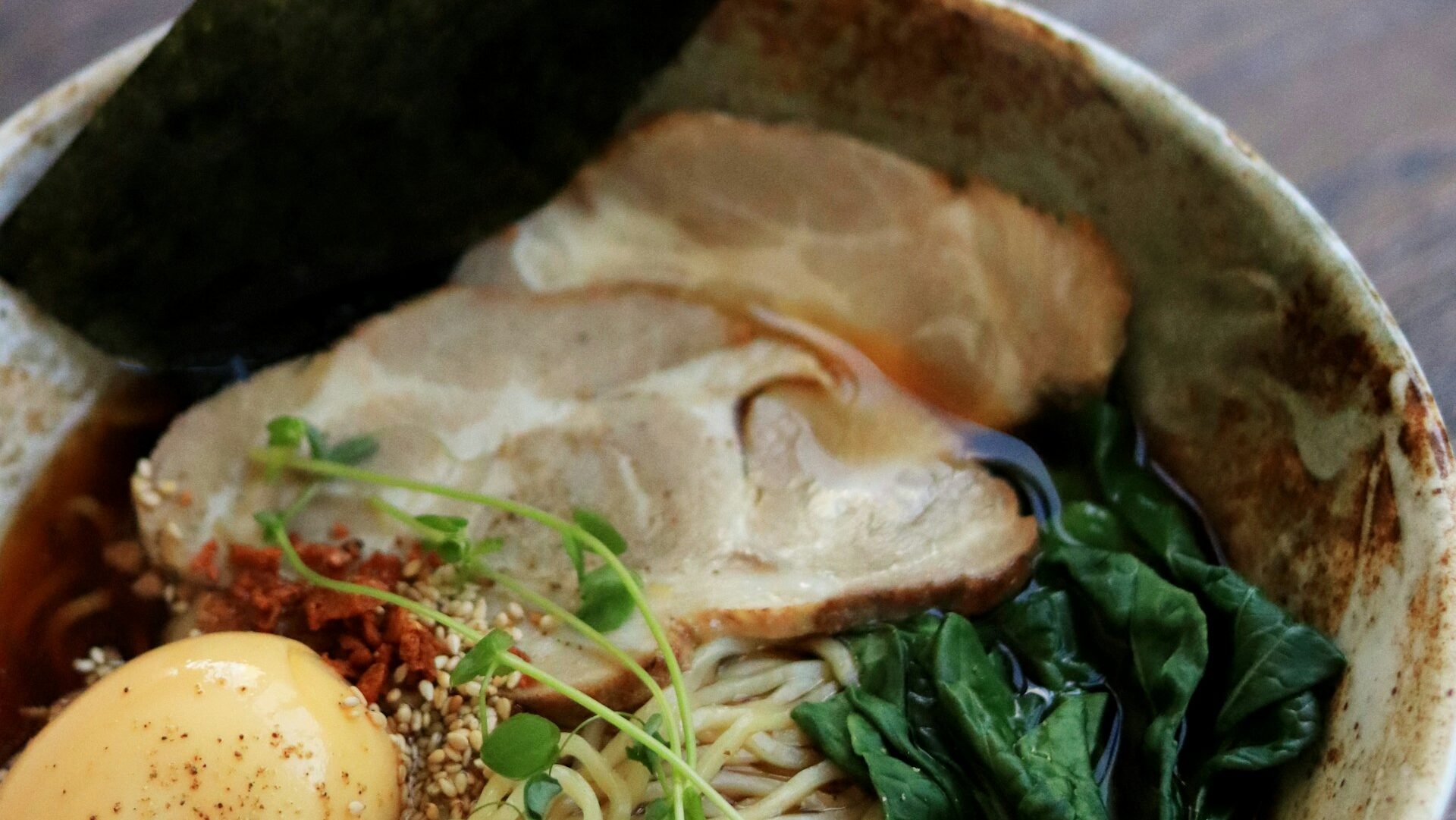
A bowl of miso ramen reaches new heights with the right toppings. Classic garnishes include thinly sliced Chashu pork, offering a tender and savory bite. Bean sprouts add a crunchy texture, while sweet corn brings a hint of natural sweetness. Sliced green onions provide a sharp, fresh contrast, and a drizzle of chili oil can introduce a pleasant heat to the dish.
Soft-boiled eggs, or Ajitsuke Tamago, are a staple, with their custardy yolks enriching the miso broth. These toppings not only create a symphony of flavors but also present a visually appealing dish that beckons with its variety of colors and shapes.
Regional Twists: How Miso Ramen Varies Across Japan
Across Japan, miso ramen takes on local flavors and ingredients, reflecting regional preferences. In Hokkaido, a popular version of miso ramen features butter and sweet corn, a nod to the area’s dairy farming and agriculture. The butter adds a creamy richness that complements the savory miso soup.
In Tokyo, you might find miso ramen with a stronger fish-based broth, while the Kyushu region may serve it with added garlic and a heavier use of sesame paste. These regional twists not only offer a diversity of tastes but also show how adaptable and deeply ingrained miso ramen is in the culinary fabric of Japan.
Troubleshooting Common Challenges
When cooking miso ramen at home, mastering the timing for noodles is crucial to avoid sogginess. If the broth lacks punch, consider intensifying umami flavors by adding more miso paste or aromatic ingredients like garlic and ginger.
Solving Overcooked Noodles and Bland Broth
Overcooked noodles can be the downfall of an otherwise perfect bowl of ramen. To avoid this, cook the noodles just until they’re al dente, then cool them rapidly to halt the cooking process. For bland broth, enrich the flavor by simmering with additional aromatics or a spoonful of miso paste. Remember to taste as you go, adjusting for the perfect balance of salty, sweet, and savory.
When the broth is simmering, you can also introduce depth of flavor with ingredients like shiitake mushrooms or kelp. These additions infuse the broth with a complex character that will elevate the overall taste of your miso ramen.
Adjusting Miso Ramen for Dietary Restrictions
For those with dietary restrictions, miso ramen can be adapted without sacrificing flavor. Vegetarian ramen is achievable by using a vegetable stock base and omitting meat, replacing it with tofu or mushrooms. Gluten sensitivities can be catered to by selecting gluten-free noodles made from rice flour or other alternative grains.
For a vegan version, ensure the miso paste is free from fish products and use toppings like bok choy and avocado. By making these adjustments, everyone can enjoy a delicious and satisfying bowl of miso ramen tailored to their needs.
Miso Ramen vs Other Styles
Miso ramen stands out with its robust, fermented soybean flavor, setting it apart from the lighter Shoyu or salt-based Shio ramen varieties. Each style offers a unique experience in the wide spectrum of Japanese noodle dishes.
Miso Ramen and Tonkotsu Ramen: What Sets Them Apart?
Miso ramen and Tonkotsu ramen differ greatly in flavor and texture. A bowl of miso ramen is characterized by its rich, nutty miso ramen broth, often enhanced with sweet corn and butter. The miso paste, made from fermented soybeans, provides a hearty umami depth. Tonkotsu ramen, on the other hand, features a creamy pork bone broth that’s been simmered for hours, resulting in a velvety soup that clings to the ramen noodles and cooks them to a perfect slurp.
While miso ramen may include a variety of ramen toppings, Tonkotsu ramen typically showcases Chashu pork slices and may include garlic and ginger for additional flavor. The two types of ramen, though both incredibly popular, offer distinct dining experiences rooted in their specific preparation methods and regional origins.
The Spectrum of Ramen: Shoyu, Shio, and Beyond
In the world of ramen, Shoyu and Shio are just the beginning. Shoyu ramen boasts a soy sauce-based broth that’s clear and tangy, while Shio ramen is known for its light, salt-based soup. These varieties, along with miso ramen, represent the foundational flavors that can be found in ramen shops across Japan and beyond.
Exploring further, one might encounter Tsukemen, where noodles are dipped in a separate, typically stronger, broth. There’s also Tantanmen, a Japanese take on Sichuan dan dan noodles, featuring a spicy sesame broth. Each variety offers a unique taste journey, inviting ramen enthusiasts to delve into the nuances of this beloved dish.
Complementary Dishes
While miso ramen is a star in its own right, pairing it with complementary dishes can create a more rounded meal. Some popular choices that harmonize with ramen’s flavors are mentioned below.
Side Dishes That Enhance Your Ramen Experience
Side dishes can elevate the ramen dining experience by introducing different textures and flavors. Gyoza, with their crispy wrappers and juicy filling, provide a delightful contrast to the smooth slurp of noodles. Edamame, lightly salted and easy to pop into your mouth, offers a fresh and healthy nibble between sips of broth.
Karaage, a Japanese fried chicken, adds a crunchy, savory element that complements the rich miso ramen soup. These sides not only enhance the main dish but also turn a simple bowl of ramen into a more substantial and varied feast.
Pairing Drinks With Miso Ramen
Choosing the right drink to accompany miso ramen can enhance the dining experience. A crisp Japanese lager cuts through the richness of the broth, refreshing the palate. For those who prefer non-alcoholic options, green tea with its earthy notes can balance the savoriness of the miso.
For a unique pairing, consider Umeshu, a sweet and tangy plum wine that contrasts the depth of miso flavors. The drink’s fruitiness and slight acidity can complement the hearty bowl, making each sip a delightful counterpart to the intricate layers of ramen flavors.

Preserving the Experience
Storing and preserving leftover miso ramen can be a challenge, but with the right techniques, you can enjoy it later without losing its essence.
Storing Leftover Miso Ramen
To keep leftover miso ramen fresh, store the noodles and broth separately in the fridge. The broth can be kept in a sealed container for up to three days. Noodles should be stored in an airtight container and enjoyed within two days to maintain their texture. By separating them, you ensure that the noodles don’t become overly soft and the broth stays flavorful.
When reheating, bring the broth to a simmer and cook the noodles separately to revive their firmness. This method helps to preserve the integrity of each component, allowing you to savor a nearly fresh bowl of miso ramen at a later date.
Can Miso Ramen Be Frozen?
Freezing miso ramen is possible, but it’s best to freeze the broth alone. Pour the broth into freezer-safe containers, leaving some space for expansion, and it can be stored for up to a month. This approach captures the essence of the miso ramen for later enjoyment.
When you’re ready to eat, defrost the broth slowly in the fridge and then reheat it on the stove. Cook fresh noodles to pair with the thawed broth, ensuring a fresh-tasting, delicious bowl of miso ramen even after freezing.
Homemade Miso Ramen vs Restaurant Quality: What to Expect
Homemade miso ramen offers a personalized touch and the satisfaction of crafting your meal, but restaurant-quality ramen benefits from chefs’ expertise and high-grade ingredients. At home, you control the flavors, experimenting with various toppings and broth intensities. However, achieving the same depth as a restaurant’s 12-hour simmered broth may be challenging.
In a restaurant, you can expect a bowl with a perfect balance of flavors, crafted with skills honed over years. The choice between homemade and restaurant miso ramen depends on whether you prioritize customization and convenience or the unrivaled taste of a professionally prepared dish.
Tips for First-Time Miso Ramen Cooks
For those diving into the delicious world of homemade miso ramen, it’s important to remember that rice noodles are a viable option if traditional ramen noodles aren’t accessible. They can offer a different texture and must be cooked with care to maintain their integrity. When ready to serve, divide the noodles evenly among bowls to ensure each guest gets an equal share of this integral component. A well-distributed base sets the stage for your flavorful miso broth and toppings.
Cost considerations for first-timers include investing in quality miso paste and potentially a stock of fresh noodles if available. While initial expenses may seem high, remember that these ingredients yield multiple servings. To avoid common pitfalls, start with a simple recipe, and don’t be afraid to adjust the flavor profile to your liking. Miso ramen is forgiving, and experimentation can lead to a personalized bowl that’s both satisfying and reflective of your taste preferences.
Concluding Thoughts
Miso ramen, with its rich broth and nutty flavor, is a comforting and satisfying dish. Garnishing with finely chopped spring onions adds a fresh contrast to the savory depths of the miso. Whether enjoyed in a bustling Japanese ramen shop or crafted in your kitchen, the journey to a delicious bowl of miso ramen is well worth the effort.

I’m Kai, a 28-year-old digital nomad, fueled by a love for photography and storytelling. Roaming Japan’s cities and countryside, especially in the vibrant spring season, I immerse myself in the rich culture and traditions. I share my adventures and insights, offering a firsthand perspective for fellow travelers and Japan enthusiasts alike. Let’s explore Japan together, sans the unnecessary frills.