Table of Contents
Ever wondered what gives sushi rolls that sweet and succulent seafood flavor without breaking the bank? The answer lies in the use of kani. This term may be a mystery to many, but it’s a staple in sushi dining, offering a taste of the ocean without the expense of real crab.
In the following article, we dive into what kani is, its role in sushi, and how it differs from genuine crab meat. From its basic composition to the cultural significance it holds, we’ll explore the world of kani in sushi.
Exploring the Basics of Kani
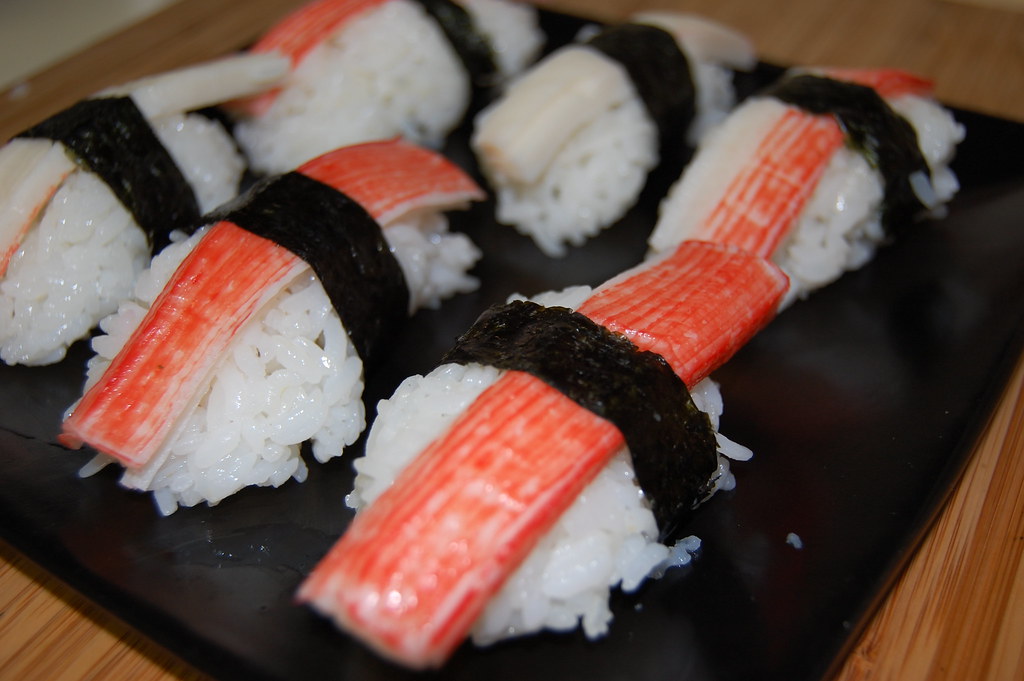
Kani, a key component in many sushi dishes, refers to imitation crab meat made from processed fish. It is often accompanied by nori seaweed and pickled ginger, which add depth and balance to its flavor profile. Kani’s versatility and affordability make it a popular choice in sushi cuisine.
Kani vs Real Crab: Understanding the Difference
While kani mimics the texture and taste of crab, it remains an alternative to real crab meat. Made from surimi, a fish paste, kani is flavored and colored to resemble a crab. It’s a cost-effective substitute that pairs well with nori seaweed and pickled ginger for an authentic sushi experience.

The Composition of Kani Sushi
Kani sushi is a balance of flavors and textures, featuring nori seaweed, sushi rice, and the distinctive taste of kani, often garnished with pickled ginger to cleanse the palate between bites.
• Sushi Rice
The sushi dish begins with sushi rice, a sticky, short-grained variety seasoned with a mixture of rice vinegar, sugar, and salt. This carefully prepared base is essential for the perfect kani sushi, providing the right balance of sweetness and tang.
• Nori Seaweed
Nori seaweed is a dark, edible wrapper that brings texture and a subtle oceanic flavor to kani sushi. It holds the ingredients together and contrasts the softness of the sushi rice with its crispness when freshly prepared.
• Kanikama
The core of kani sushi is Kanikama, or kani sticks, known for their mild flavor and appealing color. These sticks, often paired with Persian cucumbers and other fillings, are the reason kani sushi is cherished for its resemblance to dishes featuring real crab.
• Additional Fillings and Sauces
The inclusion of various fillings like avocado or cucumber, along with a drizzle of soy sauce, can enhance the flavor profile of kani sushi, making each bite a delightful fusion of tastes and textures.
Diving Into Kani Sushi Varieties
Diverse and delicious, kani sushi comes in many forms, each complemented by nori seaweed and served with pickled ginger on the side for a complete sushi experience.
1. The Classic Kani Roll
A classic kani roll involves crab meat as the main ingredient, carefully rolled with the help of a bamboo mat and plastic wrap to achieve a perfect cylinder. This roll is a favorite for its simplicity and delicate flavors.
2. California Rolls
California rolls are a sushi signature in the United States, where crab meat and avocado are wrapped in rice and seaweed. Since their inception, they have gained popularity, leading to variations like hand rolls, which use seaweed and sushi rice in a more casual presentation.
3. Spicy Crab Roll
The spicy crab roll, or spicy kani maki, is a sushi roll typically made with seasoned sushi rice, a mixture of crab cakes, and spicy mayo sauce. The rice, made from short-grain sushi rice and sushi vinegar, is cooked and then cooled to room temperature before the roll is assembled with a bamboo mat and plastic wrap.
4. Kani Nigiri
Kani nigiri is a simple yet elegant sushi dish where a slice of kani is draped over a small bed of sushi rice and is often enjoyed with a drop of soy sauce, allowing the delicate flavors of the kani to shine through.
5. Kani Maki
Kani maki features crab meat wrapped in sushi rice and nori, sometimes accented with crispy tempura flakes for added texture. It’s a classic roll that highlights the versatility and appeal of kani in sushi.
Preparing Your Own Kani Sushi
Mastering the art of sushi-making can be a delightful culinary adventure, especially when it comes to creating kani sushi at home. With the right ingredients and techniques, you can prepare a sushi feast that rivals your favorite sushi bar. Let’s explore the essential steps to craft this Japanese dish, from rice preparation to the final presentation.
Step-By-Step Rice Preparation
To ensure the perfect sushi rice foundation, begin by thoroughly rinsing the rice under cold water until the water runs clear. This step is crucial for removing excess starch, which can make the rice too sticky. Once cooked, gently fold in seasoned rice vinegar to add the signature tangy flavor that complements the kani. The seasoned vinegar also gives the rice its glossy appearance and helps it to stick together when rolled.
The Art of Rolling Sushi
Rolling sushi is an art form in itself. Start by laying a sheet of nori seaweed on a bamboo mat, with the rough side facing up. Spread a layer of rice evenly over the nori, leaving space at the top to seal the roll. Place strips of cooked crab meat and your desired fillings along the bottom edge of the rice. Then, using the bamboo mat, roll the sushi firmly, ensuring the filling stays in place. Slice the roll into bite-sized pieces with a sharp, wet knife.
Presentation and Serving Techniques
The presentation of kani sushi can be as creative as its preparation. Arrange the sushi neatly on a sushi dish, allowing each piece to stand out. For an eye-catching garnish, sprinkle sesame seeds over the top for a subtle crunch and nutty flavor. Serve with small dishes of soy sauce for dipping, allowing the flavors to meld together in each bite. Remember, the visual appeal of your sushi can be just as important as the taste.

A Closer Look at Imitation Crab
Often found in California rolls, imitation crab is a staple ingredient in many sushi dishes. Despite its name, imitation crab does not contain crab legs but is crafted to mimic the texture and flavor of real crab meat. It’s a cost-effective alternative that still delivers the essence of the ocean in every bite.
What Is Imitation Crab
Imitation crab, also known as ‘Kanikama,’ is a fish product designed to resemble the taste and texture of crab legs. It’s commonly used in various kinds of sushi, providing an affordable and accessible option for crab flavor without the cost and labor of handling real crab meat. Imitation crab allows sushi aficionados to enjoy their favorite dishes more frequently.
The Process of Creating Imitation Crab
The base of imitation crab is often Alaskan pollock, which is ground into a paste and combined with other ingredients like egg whites and crab flavoring to create a product resembling the texture and taste of genuine crab meat. This mixture is then shaped and colored to look like crab legs, offering a seafood experience that is both delicious and economical.
Nutritional Insights of Kani
Kani, or imitation crab, is not only a versatile ingredient in sushi cuisine but also offers several nutritional benefits. Whether enjoyed in a California roll or as part of a kani salad, this ingredient brings a mix of taste and health to the table.
Health Benefits of Incorporating Kani in Your Diet
While Kani may not contain actual crab, it does provide a valuable source of protein and contributes to heart health, supporting overall well-being. Including kani in your diet can be a smart choice for those looking for a balance of flavor and nutrition.
Nutritional Content Breakdown
Kani is a convenient source of protein and contains a variety of vitamins and minerals that are essential for a balanced diet. It provides fatty acids that are beneficial for heart health, and although it may not provide the same nutritional value as actual crab, it still offers a decent amount of Vitamin C and other nutrients. This makes kani a worthwhile addition to your sushi creations, both for its flavor and its health benefits.
Cultural and Symbolic Aspects of Kani in Sushi
Kani has a significant place in Japanese cuisine, not only for its taste but also for its cultural and symbolic value. The imitation crab has found its way into the hearts and dishes of many, from Southeast Asia to sushi bars across the globe.
Kani’s Role in Japanese Cuisine
In Japanese cuisine, kani is a popular and versatile ingredient that can be found in an array of dishes. Its affordability and ease of use have made it a favorite for home cooks and professional chefs alike. The ability to store and prepare kani easily has contributed to its widespread use in everyday meals and festive dishes.
Symbolism and Traditions Associated With Kani Sushi
Kani sushi has become a beloved option in Southeast Asia and beyond. While real crab legs are often dyed pink to signify celebration and good fortune in various cultures, kani provides an accessible alternative that allows more people to partake in these traditions. Its presence in sushi has become a symbol of innovation and adaptability in modern culinary practices.
Exploring Kani Sushi Variations and Innovations
Kani sushi is a testament to the innovation in sushi cuisine, inspiring chefs to create an array of dishes that showcase this versatile ingredient. Let’s dive into the creative spins on the classic kani roll and other inventive dishes that kani has inspired.
Reinventing the Kani Salad
The kani salad is a refreshing salad that has been reinvented in countless ways by sushi restaurants. Typically made with thin strips of imitation crab, it’s enhanced with ingredients like tempura flakes, chili peppers, and flying fish roe. The salad is tossed with a mix of kewpie Japanese mayonnaise, rice wine vinegar, and other elements that contribute to its sweet and spicy flavor profile. It’s a light and refreshing Japanese dish that complements dishes like sushi. Whether served on a serving plate or stored in an airtight container, the kani salad remains a popular choice at sushi bars and in the seafood section of grocery stores.
Fusion Creations Featuring Kani
In the world of sushi, fusion has given rise to innovative dishes that incorporate kani in delightful ways. Chefs blend traditional Japanese flavors with ingredients from other cuisines to create unique kani sushi experiences. One might find a sushi roll where kani is mixed with mango and avocado, topped with a tangy cilantro sauce, or another where it’s paired with jalapeño for a kick. These creations showcase the versatility of kani, making it a star in the fusion food scene.
Temaki: The Hand Roll Experience
Temaki sushi offers a casual and interactive way to enjoy kani. Using a bamboo mat, one can roll their cone-shaped hand roll with a sheet of nori, sushi rice, and a variety of fillings, including kani. The process allows for customization, where the kani can be complemented with cucumber, avocado, or even spicy mayo. The result is a fresh, handheld delight that captures the essence of Japanese cuisine, perfect for sushi lovers looking for a hands-on dining experience.
Practical Tips for Kani Sushi Enthusiasts
For those eager to try their hand at making kani sushi at home, there are some techniques that ensure the kani maki roll is compact and ready to be sliced and enjoyed.
Best Practices for Storing Leftover Kani Sushi
Storing leftover kani sushi rolls properly is essential to maintain their quality. Wrap individual rolls tightly in plastic wrap to prevent the rice from sticking to other surfaces and to preserve freshness. Place the wrapped kani sushi rolls in an airtight container and refrigerate. Consume within 24 hours for best taste and texture, as sushi rice can harden and the nori wrapper may lose its crispness over time.
Recommendations for First-Time Kani Sushi Makers
For novices to Japanese cuisine, kani is a Japanese term that refers to crab meat, often used in sushi. Start by preparing sushi rice and then wrap it with a bamboo mat to form the base of your kani maki roll. Kani, typically found as processed seafood made to resemble crab meat, should be thinly sliced and served as a spicy kani mix if desired. The health benefits and flavor of this delicious kani creation make it a rewarding endeavor for any sushi enthusiast, rivaling the taste of authentic crab.
Conclusion
Kani sushi, with its versatile use of Kanikama, has established itself as a delightful ingredient in various sushi forms. Whether it’s minced into a paste for a spicy roll or elegantly laid atop sushi rice for nigiri, kani brings a unique flavor and texture to the table. As we’ve explored, from its nutritional benefits to its cultural significance, kani is a testament to the innovation and adaptability of sushi cuisine.

I’m Kai, a 28-year-old digital nomad, fueled by a love for photography and storytelling. Roaming Japan’s cities and countryside, especially in the vibrant spring season, I immerse myself in the rich culture and traditions. I share my adventures and insights, offering a firsthand perspective for fellow travelers and Japan enthusiasts alike. Let’s explore Japan together, sans the unnecessary frills.