Table of Contents
Every year, Japan braces for a season distinguished by powerful tropical storms, where the skies darken and the seas roar. This period, known as typhoon season, poses significant risks that both residents and visitors must heed. But when does this season unfold?
Typhoon season in Japan typically stretches from May through October, with the most activity usually occurring between July and September. During this time, over 30 typhoons can form, with some impacting the island of Okinawa and other regions. Let’s explore what typhoon season means for Japan and how to stay safe amidst nature’s tempestuous displays.
Overview of Typhoons and Their Impact on Japan
In Japan, typhoon season is a time of heightened vigilance as tropical storms, born over the vast expanse of the Pacific, gather strength and march toward the archipelago. Annually, the country anticipates the approach of approximately 30 typhoons, with varying degrees of intensity and impact.
The island of Okinawa, situated in the path of these powerful systems, often bears the brunt of their force, serving as a bellwether for the potential devastation and disruption that can spread across the nation.
• Defining the Phenomenon: What Is a Typhoon?
A typhoon, or “taifu” in Japanese, is a formidable force of nature characterized by high winds and torrential rain. These tempests develop over the Pacific Ocean and gain their energy from the warm tropical waters, distinguishing them from their counterparts in the Atlantic Ocean. As they traverse the ocean, they can escalate into massive storms, drenching coastal and inland areas with relentless rain and threatening severe damage.
• The Historical Significance of Typhoons in Japan
Japan’s history is intricately intertwined with the narrative of typhoons which have shaped the country’s disaster preparedness strategies and cultural consciousness. Over centuries, these powerful storms have left indelible marks, influencing architecture, agriculture, and the very resilience of the Japanese people.
• Comparing Typhoons, Hurricanes, and Cyclones
While typhoons, hurricanes, and cyclones are essentially the same weather phenomenon, they are regionally named based on where they occur. Typhoons manifest in the northwest Pacific, hurricanes in the North Atlantic and northeast Pacific, and cyclones northwest of Australia. Despite their differing monikers, all three can unleash devastating winds and rain upon landfall.
Pinpointing Typhoon Season in Japan
• Monthly Breakdown of Typhoon Occurrences
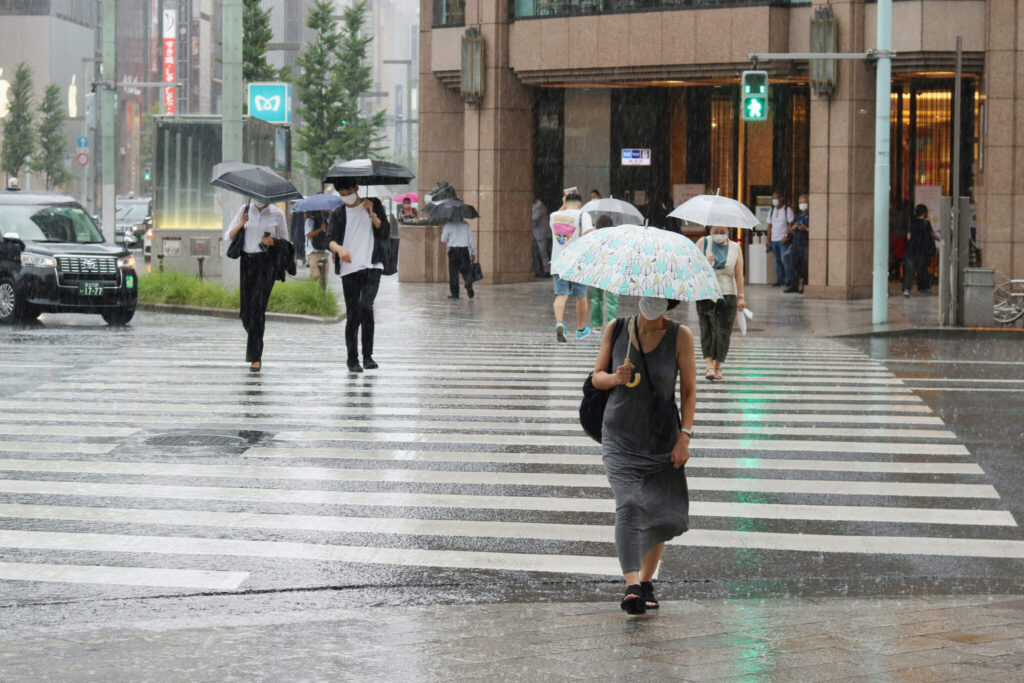
Understanding the month-to-month variances in typhoon occurrences is critical for those in Japan during the risky season. The term “taifu” in Japanese signifies the powerful storms that typically develop over the Pacific Ocean from May, with activity escalating through the summer months. Torrential rain and fierce winds are most prevalent in August and September, often resulting in significant impacts across the country.
• Regional Variations in Typhoon Activity
While typhoon season affects Japan as a whole, certain regions experience varying levels of activity. Okinawa and the southern islands often encounter the earliest and most frequent typhoon threats, whereas northern areas like Hokkaido may see fewer and less intense systems.
Preparing for Typhoon Season
As Japan’s typhoon season approaches, preparation becomes paramount. Understanding the potential for flooding and landslides, and the disruption to transport and infrastructure is essential for mitigating risks.
• Essential Safety Measures for Residents and Visitors
The Japan Meteorological Agency plays a key role in issuing weather warnings, which are crucial for the safety of residents and visitors alike. Airports like Narita, Haneda, and Kansai International, along with railway companies JR West, JR Kyushu, JR Hokkaido, JR Shikoku, and metro systems in Tokyo and Osaka, all have protocols in place to manage the challenges posed by typhoons. It’s vital to stay informed and heed advice to avoid areas prone to flooding and landslides.
• Emergency Kits and Resources: What to Include
When assembling an emergency kit in preparation for typhoon season, including items that address the most common challenges is essential. Weather warnings can dictate the urgency of the situation, requiring quick access to essentials.
Key resources should be packed, considering the possibility of transport disruptions at Narita, Haneda, and Kansai International airports, as well as railway services like JR West, JR Kyushu, JR Hokkaido, JR Shikoku, Tokyo Metro, and Osaka Metro.
Japan’s Infrastructure and Readiness
Japan’s commitment to disaster prevention is evident in its robust infrastructure and readiness for typhoon season. With advanced warning systems and resilient constructions, the nation is constantly refining its defenses against the ravages of powerful storms.
• Architectural and Urban Planning Against Typhoons
Japan’s architectural ingenuity and urban planning are specifically tailored to withstand the harsh conditions brought on by typhoons. Buildings are constructed to endure high winds, and cities are designed with disaster prevention in mind, ensuring a resilient response to the challenges posed by these natural phenomena.
• Public Systems and Warnings in Place
Public systems and warnings are integral to Japan’s disaster prevention strategy. The country employs a comprehensive approach to alert residents and visitors of impending typhoons, providing clear and timely information to safeguard lives and property.
Japan During Typhoon Season: Travel Tips
Traveling to Japan during peak season requires an awareness of Mother Nature’s unpredictability. While the season typically coincides with summer’s allure, it’s important to stay vigilant of the rainy season and potential widespread damage. Avoiding the North Atlantic’s hurricane belt, Japan’s typhoon season demands respect for the power of the elements and a readiness to adapt plans as necessary.
Adjusting Travel Plans During Typhoon Alerts
When a typhoon alert is issued, it’s crucial to revise your itinerary. If you have planned to visit the Japanese Alps or attend the Snow Festival, consider postponing these activities.
During national holidays like Golden Week, transportation can be especially crowded, and typhoon disruptions may lead to significant delays. Always prioritize safety and stay informed through travel advisories to make timely decisions about your travel plans.
• Attractions and Activities to Avoid During Typhoons
During typhoon season in Japan, it’s wise to avoid outdoor attractions and activities. Beach visits, especially to the southern islands, and hiking in areas affected by the storm should be postponed.
On the island of Hokkaido, despite the lack of humidity and milder weather compared to the rest of Japan, the risk of flash floods and storm surges still exists. Instead, seek out indoor activities such as museum visits or cultural experiences that are less affected by the weather.
Real-Time Information and Assistance
In the face of an approaching typhoon, staying updated with real-time information is essential. Japan’s transportation system is well-equipped to handle natural disasters such as earthquakes and typhoons, but services may be suspended during severe weather. Keep a close eye on public transportation announcements and local news to navigate safely during your stay.
• Utilizing Technology for Typhoon Tracking and Updates
Leverage technology to track typhoon movements and receive updates. Download apps provided by the National Oceanic and Atmospheric Administration (NOAA) or the Japan Meteorological Agency (JMA) for accurate forecasts. These can be crucial in understanding the wind speed and trajectory of a typhoon, helping you adjust your plans from south to north Japan accordingly.
• Key Contacts and Supportive Services for Emergencies
In case of emergencies, it’s vital to have key contacts handy. Local authorities, hotels, and embassies can offer supportive services when a typhoon strikes. Have a list of emergency numbers, and ensure your emergency kit includes nonperishable food, rain gear, and essential medications to weather the storm safely.
Cultural Aspects of Typhoon Season
Typhoon season in Japan influences various cultural aspects, from the postponement of cherry blossom season events to the resilience shown during recovery in parts of Japan. Communities in the southern islands and northern Japan exhibit a remarkable spirit, maintaining daily life with adjustments and preparations that reflect the seasonal reality of living with typhoon threats.
• Local Traditions and Customs Related to Typhoons
In response to typhoons, Japanese communities often engage in traditions and customs that reflect their harmonious relationship with nature. For instance, during typhoon season, it’s not uncommon for locals to share wisdom on securing homes and preparing emergency kits. This collective knowledge is part of the social fabric, strengthening community bonds and resilience.
• Impact on Festivals and Outdoor Events
When visiting Japan, be aware that typhoons can lead to the cancellation of festivals and outdoor events. In parts of Japan where typhoons hit frequently, local authorities may reschedule events to ensure public safety. Travelers should check event statuses in advance and plan alternative indoor activities during these periods.
Aftermath of Typhoons in Japan
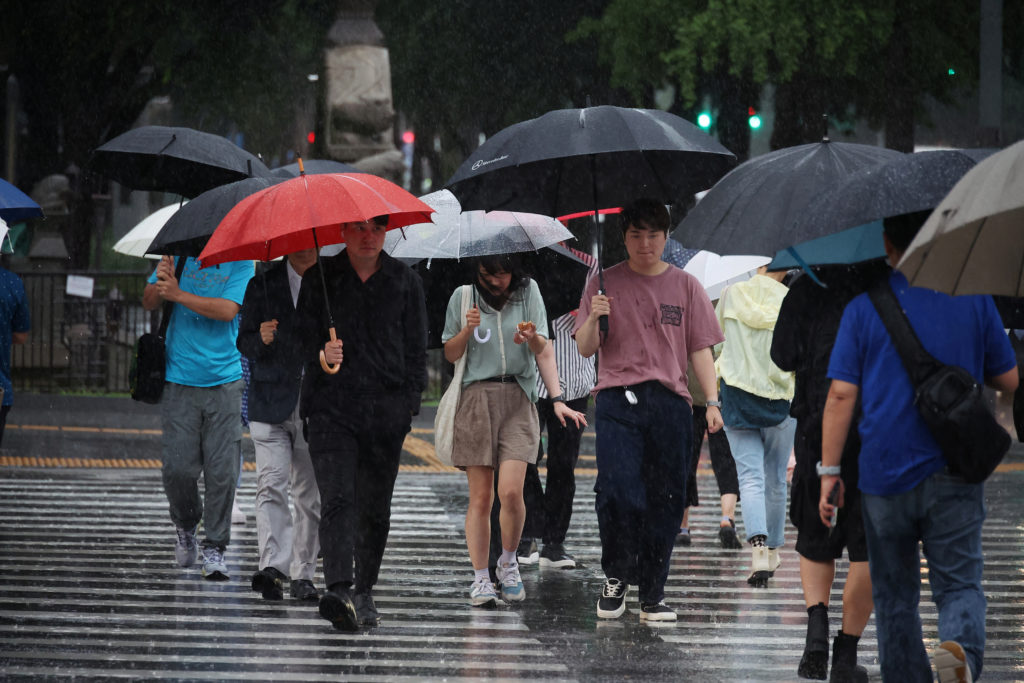
The aftermath of typhoons in Japan often highlights the strength and resilience of its communities. Citizens, alongside government agencies, collaborate in recovery efforts to restore affected areas swiftly and efficiently.
• Recovery Efforts and Community Resilience
Following a typhoon, Japan’s communities quickly mobilize to initiate recovery efforts. The collective resilience is evident as locals and volunteers work together to rebuild and support those affected by the storm’s impact.
• How to Contribute to Relief Operations
If you wish to contribute to relief operations after a typhoon, consider donating to reputable organizations or participating in community-led clean-up initiatives. Every effort helps in the path to recovery.
Conclusion: Respecting Nature’s Fury While Embracing Japan’s Beauty
In the land where the dance festival thrives and millions of visitors flock for unique outdoor activities, Japan’s beauty is a testament to its resilience. We’ve ventured through the historical significance of typhoons, understood their fierce winds, and compared their might with other storms in the northwest Pacific Ocean.
The journey has shown us how Japanese cities brace for typhoons, with a diligent eye on infrastructure and readiness, reaching its peak in architectural ingenuity. Essential safety measures, emergency preparations, and the cultural fabric that weaves local traditions into the season have been explored, ensuring that both residents and tourists can navigate the challenges posed by these natural phenomena. Remember, when planning your adventure, always consider when is typhoon season in Japan, to experience its splendor safely.

I’m Kai, a 28-year-old digital nomad, fueled by a love for photography and storytelling. Roaming Japan’s cities and countryside, especially in the vibrant spring season, I immerse myself in the rich culture and traditions. I share my adventures and insights, offering a firsthand perspective for fellow travelers and Japan enthusiasts alike. Let’s explore Japan together, sans the unnecessary frills.